
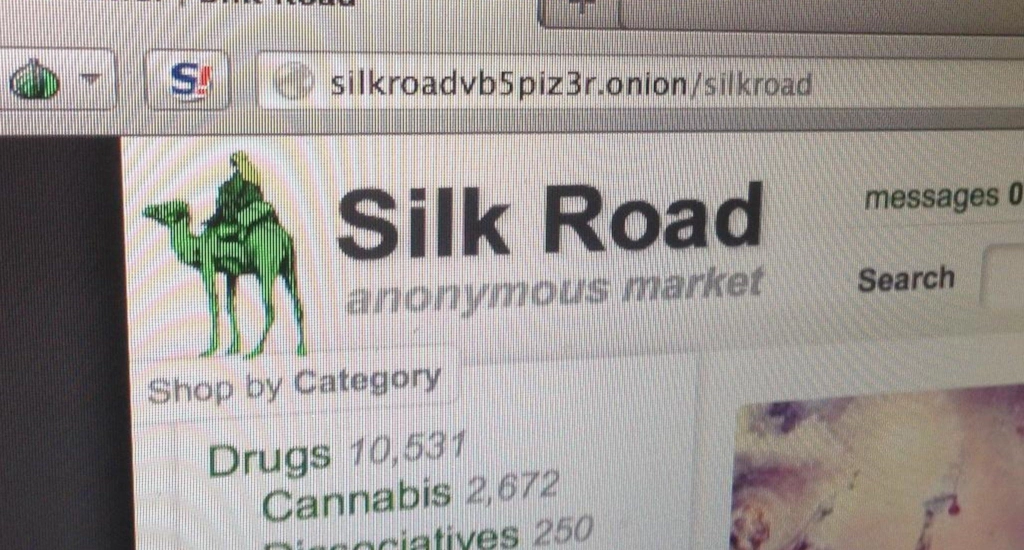
In an unexpected turn of events, President Donald Trump has announced the granting of a full and unconditional pardon to Ross Ulbricht, the mastermind behind the online criminal marketplace Silk Road. Ulbricht, who had been serving a life sentence without the possibility of parole, was convicted in 2015 on multiple counts related to the operation of Silk Road, which was used by over 100,000 users for the illegal trade of drugs and other items.
Silk Road: A Brief History
Silk Road, established in 2011, was one of the first darknet markets, operating on the Tor network to ensure anonymity for its users. It quickly became notorious as a hub for illegal activity, where Bitcoin was the currency of choice for transactions, thus pioneering the use of cryptocurrencies in the underworld of online commerce. The platform was shut down by the FBI in 2013, following the arrest of its creator, Ross Ulbricht.
The Arrest and Conviction of Ross Ulbricht
Ulbricht’s arrest was the result of a complex investigation by the FBI, which managed to trace the digital breadcrumbs back to the man known online as “Dread Pirate Roberts.” A critical error on Ulbricht’s part was reportedly posting identifiable information that linked him to the Silk Road website. His laptop, seized at the time of his arrest, contained evidence that was pivotal to the prosecution’s case.
The trial that followed ended with Ulbricht being found guilty of drug trafficking, computer hacking, and money laundering, among other charges. The severity of his sentence sparked debate among critics who argued that the punishment was disproportionate to the crimes committed, particularly in the context of first-time, non-violent offenses.
President Trump’s Pardon
The pardon issued by President Trump has been met with a mix of surprise and support from various sectors. Libertarian activists, who have long opposed the criminalization of drug policies and argued for Ulbricht’s release, see the pardon as a victory for their cause. They have maintained that the government’s approach to the Silk Road case was overly aggressive and set a dangerous precedent for internet freedom and privacy.
In a statement, President Trump cited the widespread advocacy and the unique nature of Ulbricht’s case as reasons for the pardon, emphasizing his belief in second chances and the need for a balanced approach to justice.
Implications and Reactions
Legal experts and lawmakers are analyzing the implications of this pardon, considering its rarity in cases of significant digital crime. The decision has reignited discussions about the sentencing disparities in cybercrime cases and the broader implications for the enforcement of laws on the dark web.
Supporters of Ulbricht have celebrated the pardon as a step towards reforming the judicial system’s response to non-violent offenders, while law enforcement agencies have expressed concern that such a pardon might send the wrong message about the seriousness of online illegal activities.
As the dust settles on this presidential pardon, the story of Silk Road and its creator continues to provoke intense debate, reflecting the complexities of balancing innovation, freedom, and the rule of law in the digital age.
Source: BBC