Matrix stands at the forefront of modern real-time communication protocols. Its goal is ambitious: to seamlessly integrate communication across different service providers, akin to how SMTP facilitated interoperability for email services. In this article, we’ll delve into what makes Matrix unique and why it’s gaining traction in various sectors, including government and enterprise.
What is Matrix?
Matrix is an open standard protocol designed for real-time communication, aiming to bridge the gap between different communication service providers. It enables users from one service to interact effortlessly with users from another through instant messaging, voice over IP, and video telephony. Unlike XMPP, Matrix is built on a fresh foundation, tailored for the needs of contemporary communication.
From a technical standpoint, Matrix is an application layer protocol that leverages HTTP APIs for federated real-time communication. It uses a federated network of servers to distribute and persist messages in JSON format securely. The protocol is built with eventual consistency in mind, ensuring that servers can function even when offline and resynchronize missing history upon reconnection.
Security and Replication
Matrix prioritizes security and replication, ensuring full conversation history is maintained without centralized control. Messages are signed to prevent tampering and encrypted to avoid spoofing. The protocol’s design allows for secure, decentralized communication, making it a robust choice for various applications.
End-to-End Encryption with Olm and Megolm
Matrix incorporates end-to-end encryption through the Olm library, utilizing the Double Ratchet Algorithm. This encryption ensures that only room participants can decrypt messages, even if the servers have access to the ciphertext. The Megolm protocol expands on Olm to cater to larger groups, enhancing security in multi-user scenarios.
Two key implementations of this encryption are vodozemac, a Rust-based library audited by Least Authority, and libolm, which has undergone a cryptographic review by NCC Group. Both reviews have been publicly addressed by the Matrix team, demonstrating their commitment to transparency and security.
Clients
Matrix offers a variety of clients to suit different user needs and preferences. Here are some of the recommended clients:
- Element: The most popular Matrix client, Element (formerly known as Riot) provides a polished interface for instant messaging, voice, and video calls. It supports end-to-end encryption and is available for web, desktop, and mobile platforms.
- FluffyChat: A user-friendly, privacy-focused Matrix client designed for mobile use. It emphasizes simplicity and ease of use while supporting essential features like E2EE and file sharing.
- Nheko: An open-source Qt-based desktop client for Matrix, Nheko is known for its clean design and strong focus on security features, including end-to-end encryption.
- Hydrogen: A cross-platform client that aims to provide a modern and intuitive user experience. It supports various operating systems and devices, making it versatile for different use cases.
Government Adoption
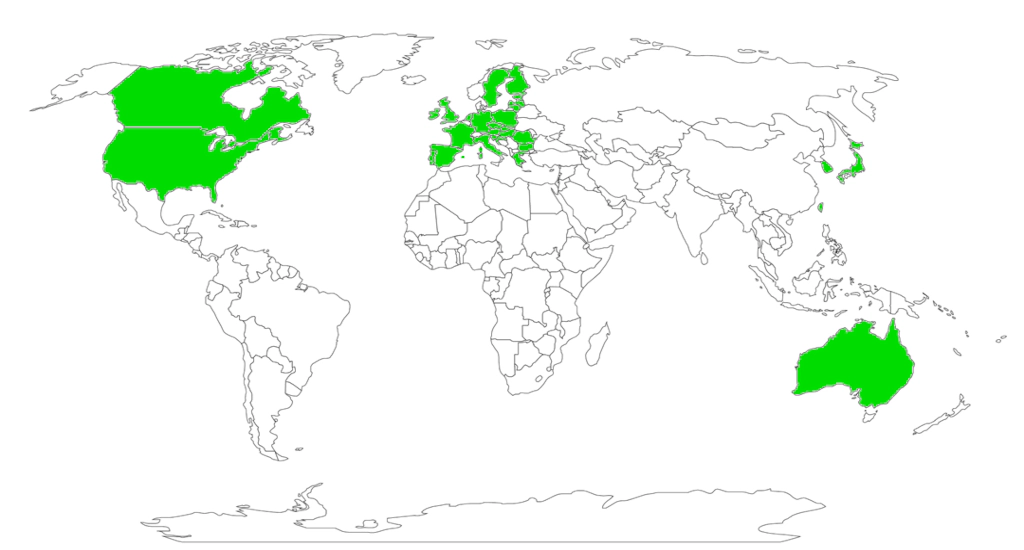
- France: Uses Matrix for secure internal communication with Tchap.
- Germany: Implemented in the healthcare system and the Bundeswehr for secure data exchange.
- Luxembourg: Developing Luxchat4Gov for government officials.
- Sweden: The Social Insurance Agency employs Matrix for internal chats.
Enterprise Integration
- FOSDEM: Utilizes Matrix for event communications.
- Rocket.Chat: Recommends Matrix for server federation.
- SSH.com: Utilizes Matrix to enhance its secure communication offerings.
 Buy me a Ko-fi
Support this blog ❤️