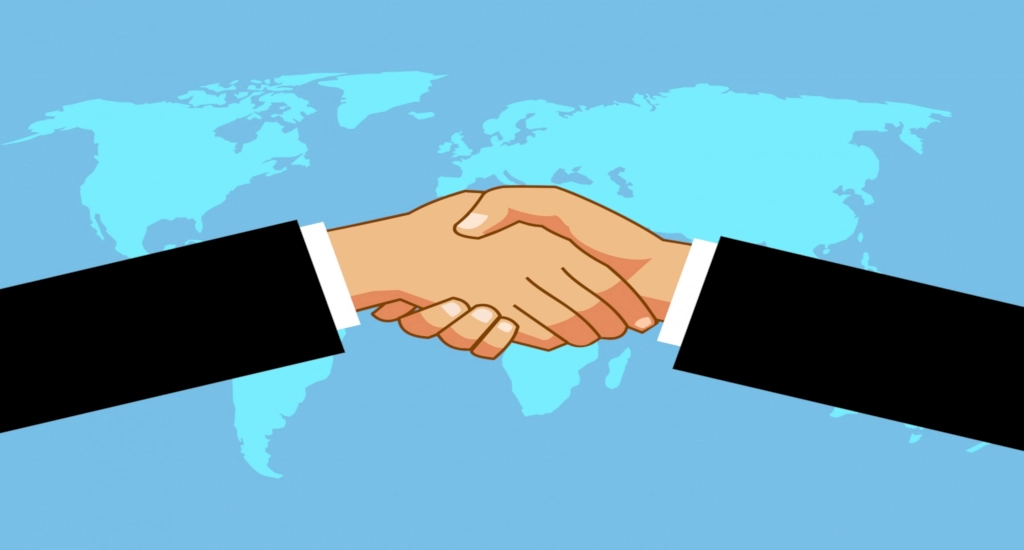
The historic trade agreement between Mercosur and the European Union has not only marked the end of a 25-year negotiation but has also triggered a wave of renewed international interest in the South American bloc. Countries from the G7, including Japan, the United Kingdom, and Canada, are now actively seeking to open trade negotiations with Mercosur, according to sources within the Brazilian government cited by CNN Brazil.
The landmark EU-Mercosur Partnership Agreement, finalized in late 2025 and poised for official signing in early 2026, has significantly elevated Mercosur’s profile on the world stage. The deal is seen as a strategic move by global players aiming to diversify trade relationships amid rising protectionism, particularly from the United States, and a reconfiguration of global supply chains.
Ministerial-level discussions are already underway between Mercosur and these G7 nations, with foreign ministers and trade negotiators engaging in technical dialogues. The Brazilian government anticipates that 2026 will be a year of intense diplomatic activity as Mercosur expands its trade network to include not only European and Asian partners but also countries in the Middle East, such as the United Arab Emirates, and Asian giants like Vietnam and Indonesia.
The recent agreements with EFTA (Norway, Switzerland, Iceland, and Liechtenstein) in 2025 and Singapore in 2023 have already positioned Mercosur as a reliable trading partner. These pacts, combined with the EU deal, serve as a seal of credibility, reinforcing Mercosur’s commitment to open markets and international cooperation.
Experts highlight that the EU’s decision to finalize the agreement—despite internal resistance, particularly from France—was driven by a recognition of a unique political and economic window of opportunity(and necessity). The European Commission reportedly shortened its winter recess to ensure the deal’s completion ahead of the December Mercosur summit in Foz do Iguaçu, where Brazilian President Lula issued a firm ultimatum to Brussels.
Igor Alves, professor of international relations at FAAP, commented:
“When the European Union, the world’s largest trading bloc, formally partners with Mercosur, it sends a powerful signal. If Europeans trust Mercosur, it means the bloc has real value to offer in today’s global economy.”
As Mercosur enters this new era of international engagement, analysts predict that the bloc will play an increasingly central role in shaping global trade dynamics, offering alternative markets and fostering economic diversification across continents. The coming months promise to be pivotal as negotiations with G7 members and other key economies intensify.
Source: CNN
Like my content? Support me with a tip!