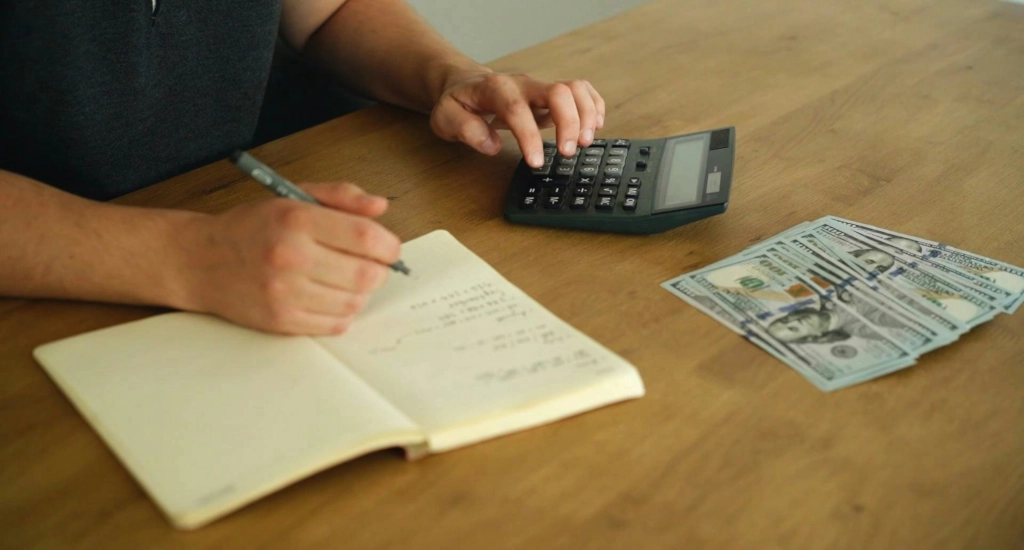
In recent months, there has been a noticeable shift in how companies are handling the escalating costs of tariffs. Initially, many businesses chose to absorb the additional taxes quietly during the early stages of President Donald Trump’s trade war(Apple for instance took a $800 million hit). However, as profit margins erode, companies are finding it increasingly challenging to maintain stable prices. This trend suggests that the impact of tariffs on consumer prices might become more pronounced in the coming months.
The Rising Tide of Tariff-Related Price Increases
Government data from June reveals a surge in prices for items heavily exposed to tariffs, such as home furniture, toys, and appliances. Even before Trump’s latest announcement to impose tariffs on a significant portion of the world on Thursday night, large corporations like Adidas, Procter & Gamble, and Stanley Black & Decker had signaled to investors that they had either already raised prices or planned to do so soon to offset tariff costs.
Here is the 2025 Tariff Impact Table showing price changes by company:
| Company | Effective Date | Price Changes (U.S.) | Scope / Notes |
|---|---|---|---|
| Adidas | Aug 1, 2025 | Pending price increases due to €200M in tariff costs | U.S. products from Vietnam (20% tariff) and Indonesia (19%) |
| Nike | Fall 2025 | $5–10 per shoe, $2 per garment | Phased, surgical increases to offset $1B in expected tariffs |
| Ferrari | Apr 2, 2025 | Up to +10% on certain models | U.S. imports from EU; applies to newer models post-April |
| Hermès | May 2025 | +5% in U.S. | Offset new U.S. import tariffs; not global |
| Leica | May 1, 2025 | +7% across product lines | U.S. camera gear and optics |
| Nikon | June 23, 2025 | Unspecified increase | Price adjustment due to tariffs; scope varies |
| Canon | Late June 2025 | Estimated +10% | Final amount and timing still under review |
| Shein & Temu | Apr 25, 2025 | Up to +125% on some goods | Response to de minimis loophole removal and increased tariffs |
| Ford | May 2025 | $600–2,000 per vehicle | Applies to new production; inventory before May excluded |
| Volkswagen | June 2025 (planned) | Pending; warned of import fee | Response to 25% car import tariff |
| Best Buy | Ongoing | Unspecified increases | Vendors passing tariff costs to retailer; broad product categories affected |
| Target | Mar–Apr 2025 | Produce prices up; other categories likely to follow | Due to 25% tariffs on Mexico and Canada |
| Stanley Black & Decker | Apr–Q4 2025 | ~8–9% initially; +1% Q2; more to come | Tools & Outdoor products |
| Walmart | Q1 2025 and ongoing | Up to +29% on some items | Cannot absorb full tariff impact; across various essential goods |
| Columbia Sportswear | May 2025 onward | Expected, but not yet disclosed | CEO confirmed intent to raise prices |
| AutoZone | Ongoing | Varies by item; historically raises prices to offset tariffs | Gradual implementation; 25% car import tariffs expected |
| Procter & Gamble | Aug 2025 | ~+5% on ~25% of SKUs | To cover $1B in tariff-related costs |
| ConAgra Brands | H2 2025 | 0.5–5% estimated increase on canned goods | Due to cocoa, olive oil, steel tariff costs |
| Macy’s | Late May 2025 | ~0.2–0.4% in selective categories | Surgical increases; affects gross margin |
| Nintendo (accessories) | 1H 2025 | Unspecified increases | Accessories only; console pricing unchanged |
Companies Speak Out
Retail giants like Walmart and toy manufacturers Hasbro and Mattel have already warned that tariffs would lead to higher prices for consumers.
“We have no interest in running a business with lower margins, particularly due to tariffs,[…] And if this is going to be a permanent increase in our cost structure, we need to find a way to cover it.”
-Richard Westenberger, Chief Financial Officer of Carter’s a manufacturer of children’s clothing
The Slow Burn of Tariff Inflation
Economists have been tracking signs of tariff-related price hikes since Trump’s trade policies took effect in the spring. Yet, inflation has remained relatively controlled, defying predictions and prompting the White House to claim that those anticipating price spikes due to tariffs were mistaken.
Some analysts acknowledge that the tariffs’ impact on consumer prices has been slower than initially anticipated, but that this is likely due to companies stocking large volumes before tariffs hit. Jerome Powell, the Federal Reserve chair, noted on Wednesday that the process could be “slower than expected initially.”
“It seems we still have a long way to go to fully understand how this will play out,” Powell remarked.
A Critical Juncture Ahead
Sarah House, an economist at Wells Fargo, suggests that the next three to six months will be a pivotal period as more tariff costs settle in.
“Companies are coming to terms with the fact that tariffs are here to stay, and with greater certainty around a higher-tariff environment, they will be more willing and able to adjust their prices,[…] We are reaching a point where we will start to see these effects manifest.”
– House
Source: Folha, Reuters, Business Insider
Like my content? Support me with a tip!