Imagine powering a small town for an entire decade without ever needing to recharge the energy source. Sounds futuristic? That’s exactly what a consortium of Brazilian universities, research institutes, and companies are aiming to achieve with their groundbreaking project on micro nuclear reactors. This initiative could catapult Brazil into the ranks of global pioneers in this cutting-edge technology.
Small in Size, Huge in Potential
“Nuclear micro reactors can generate energy uninterruptedly for up to a decade without needing fuel replenishment[…] One of its major advantages is that it does not emit greenhouse gases [GHG].”
– João Manoel Losada Moreira, physicist at Graduate Program in Energy at the Federal University of ABC (UFABC) and the startup Terminus Energy
These micro reactors are significantly smaller than their conventional counterparts, designed to generate between 1 and 5 megawatts of energy. To put that into perspective, one megawatt can supply electricity to roughly a thousand people. With over 20% of Brazilian municipalities having populations of up to 5,000 people, a single micro reactor could meet their entire energy demand.
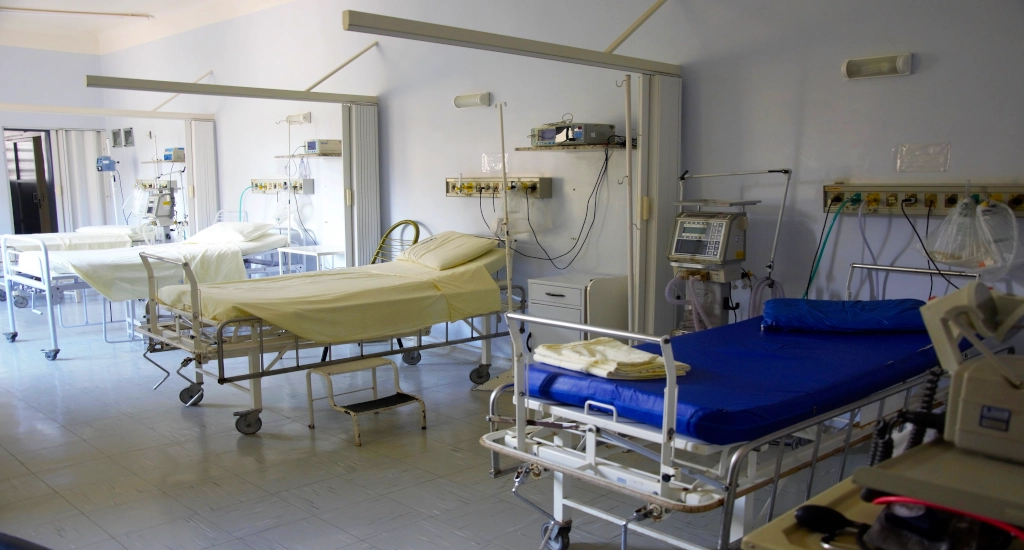
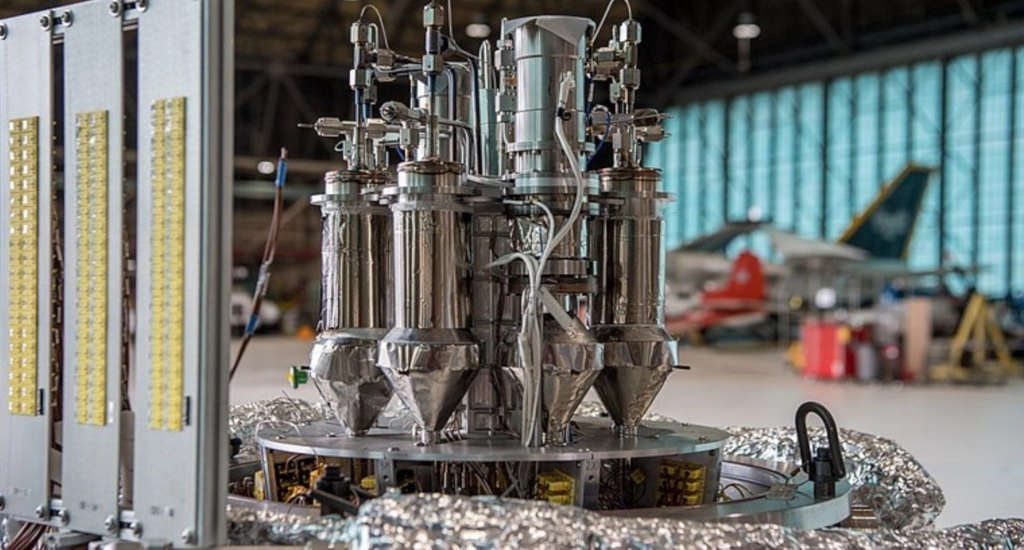
Compact enough to fit inside a 40-foot shipping container, these reactors can be remotely controlled. They’re envisioned to replace diesel generators currently used in remote areas, industries, hospitals, data centers, and other facilities requiring reliable backup power. Unlike diesel generators, micro nuclear reactors can run continuously for up to ten years without refueling.
Clean and Green and Overcoming Technological Challenges
One of the standout features of micro nuclear reactors is their zero emission of greenhouse gases. João Manoel highlights this environmental benefit. “These reactors offer a sustainable energy solution, helping us combat climate change,” Moreira says.
The Brazilian micro reactor project is currently at Technology Readiness Level (TRL) 3, involving analytical and experimental demonstrations in a lab setting. The goal is to reach TRL 6 within three years, conducting specific experiments to validate critical functions of the new technology.
The project involves nine institutions and four companies, including public entities like Amazul and INB, as well as private startups like Terminus Energy. The budget of R$ 50 million will fund the development of key components such as heat pipes capable of withstanding 800°C and the establishment of a production chain for graphite and beryllium—materials crucial for reactor operation but with restricted international trade.
Heat Pipes: The Heart of the Reactor
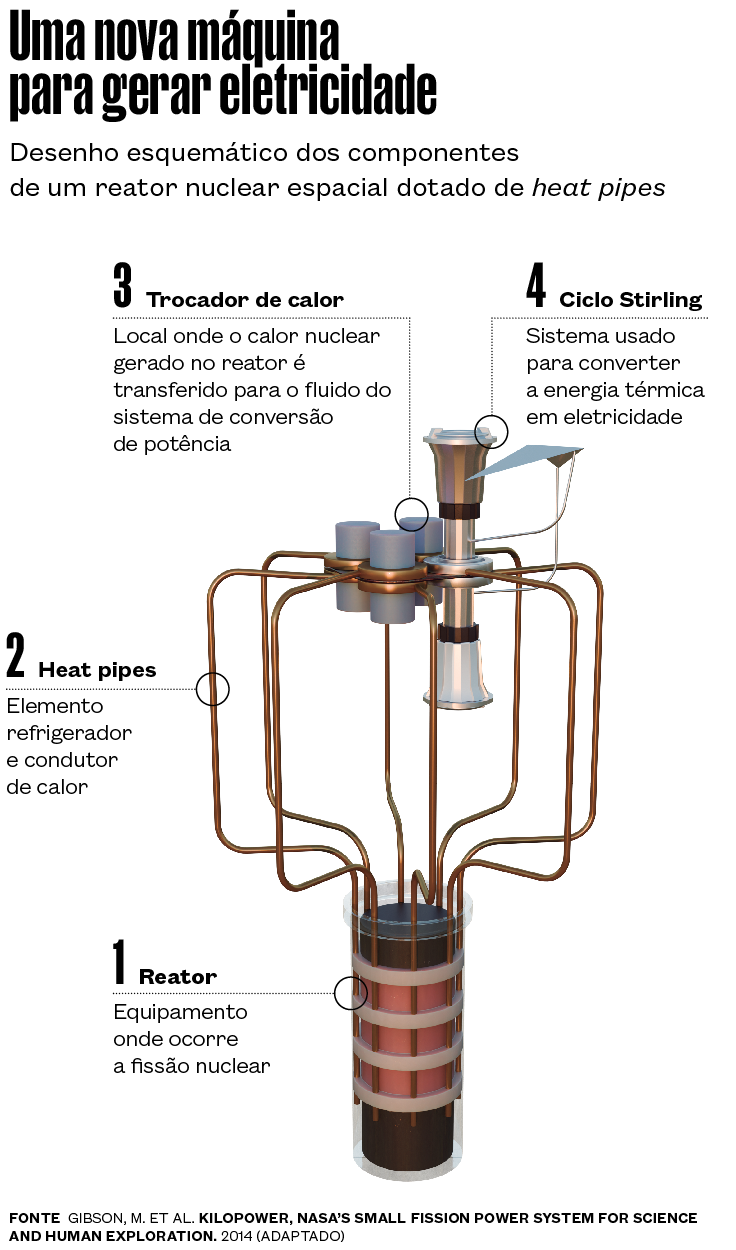
Central to the reactor’s design are heat pipes, which transfer heat from the reactor core to the power conversion system without the need for water or gas cooling, typical in traditional nuclear plants. These pipes, filled with pure sodium, are efficient heat conductors. However, the specifics of producing such high-temperature heat pipes are considered industrial secrets, making local development a significant challenge.
The Inatel and IEN are tasked with creating a digital remote control system for the reactors. This system is not just about controlling the reactor remotely; it’s also designed to integrate with microgrids, local self-sufficient energy networks that can operate independently of the national grid. This feature allows the micro reactors to work alongside renewable energy sources like wind and solar, providing stability and reliability.
Safety First: Containment and Shielding
“In large nuclear power plants, the biggest safety challenge is maintaining cooling when the reactor is suddenly shut down. It is the loss of cooling that leads to pressure loss control and the risk of radioactive material escaping[…] In the case of the micro reactor, because it has power levels about a thousand times lower than large reactors, if it is suddenly shut down, it is much easier to cool it down.”
– João Manoel Losada Moreira
Safety is a paramount concern, but the micro reactors have a unique advantage. Their cooling and heat conduction processes operate at near-atmospheric pressure, reducing the risk of a catastrophic meltdown compared to large-scale reactors. A steel containment and shielding system will further ensure safety by preventing radiation leakage during operation or in the event of an accident.
Claudio Geraldo Schön, a physicist from the University of São Paulo, who is not part of the project, vouches for the safety of these reactors. “They’re designed to be inherently safe, with no risk of core meltdown due to their lower power levels and absence of liquid coolant,” he explains.
Uranium Enrichment and Recycling
The micro reactors will use uranium enriched up to 20%, a higher level than the 5% used in large commercial reactors. Initially, they’ll use the same type of fuel as the Angra nuclear plants—uranium dioxide provided by INB. In the future, the project aims to recycle radioactive waste from Angra for use in the micro reactors, a practice already occurring on a small scale in Europe and Asia.
Global Competition and Brazilian Ambitions
While several international companies are also developing micro nuclear reactors, none are yet in commercial operation. Brazil’s project stands out with its innovative design and local technology focus. The estimated initial cost for a Brazilian micro reactor is around US$ 10 million, which is expected to decrease with mass production, making it a cost-effective alternative to diesel generators in remote areas.
The Brazilian government has shown interest in expanding nuclear energy, including discussions with Russia for small modular reactors (SMR) technology. Meanwhile, Petrobras is exploring SMRs for offshore platforms, aiming to reduce greenhouse gas emissions.
A New Chapter in Energy
Giovanni Laranjo Stefani from UFRJ believes this project could position Brazil as an international supplier of clean, reliable energy solutions. “Micro reactors offer a carbon-free, dependable energy source, crucial for facilities requiring uninterrupted power,” Stefani states.
Source: Gizmodo
Like my content? Support me with a tip!