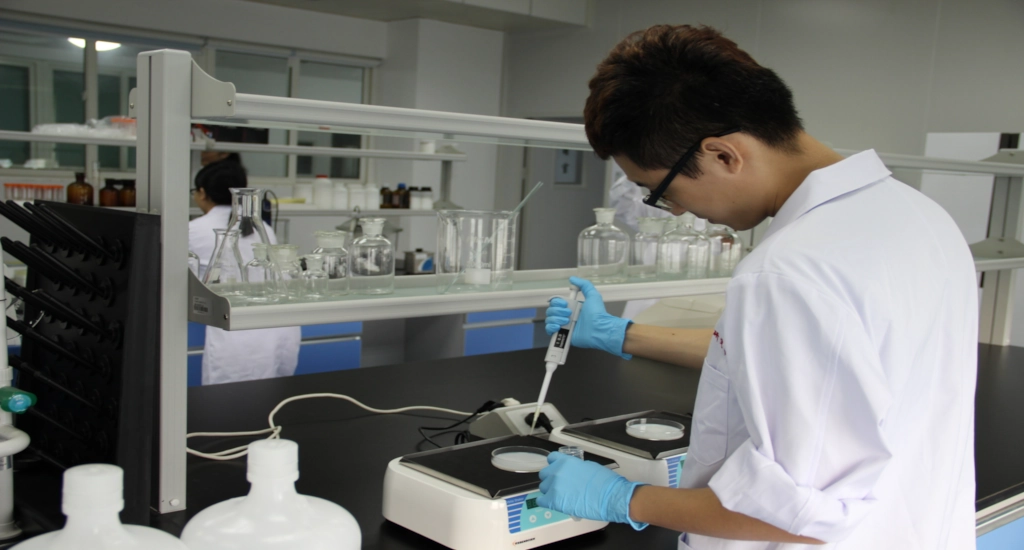
Brazil is now on the radar for clinical trials of innovative cancer vaccines as researchers from the University of Oxford visited the country this week to discuss partnerships with Brazilian institutions . The Oxford team met with representatives from Brazil’s Ministry of Health and the A.C. Camargo Cancer Center to plan studies that will incorporate artificial intelligence and advanced clinical testing methods.
Unlike traditional vaccines that prevent infectious diseases like the flu, these new technologies are designed to “teach” the body’s immune system to recognize and attack cancerous cells. Some of these research projects have advanced rapidly and are already entering human clinical trial phases.
How it works
Scientists are focusing on two main types of cancer vaccines:
- Therapeutic vaccines: Developed for patients who already have cancer, these vaccines help the body’s immune system fight tumors more effectively.
- Preventive vaccines: Aimed at individuals with high genetic risk, these vaccines seek to prevent cancer from developing in the first place.
One of the most advanced projects targets the Epstein-Barr virus (EBV), which is linked to about 200,000 cancer cases worldwide each year. Because certain EBV-related cancers are more prevalent in northern Brazil, researchers plan to conduct part of their studies there.
Technology and Timelines
The development of these vaccines has been accelerated by technologies that gained prominence during the Covid-19 pandemic, such as mRNA platforms. In addition, artificial intelligence is being used to identify which parts of a tumor the vaccine should target. Some Oxford projects have moved from concept to clinical trial in just three years.
Besides the EBV vaccine, researchers are working on vaccines for lung cancer (LungVax), breast cancer, ovarian cancer, and gastrointestinal cancers.
The partnership aims to leverage Brazil’s hospital infrastructure to carry out clinical trials, with the goal of making these treatments affordable for developing countries. However, the studies are still in early stages. The next major challenge will be understanding why some patients respond well to the vaccines while others do not, with the ultimate aim of improving treatment effectiveness in the coming years.
Brazil’s involvement in these cutting-edge studies marks an important step forward in the global fight against cancer.
Source: Olhar Digital
Like my content? Support me with a tip!