In a formal response to Donald Trump’s decision to impose a 50% tariff on Brazilian products, the Brazilian Ministry of Foreign Affairs, known as Itamaraty, has taken a significant step towards addressing the issue at the World Trade Organization (WTO). This action highlights Brazil’s commitment to upholding the principles of multilateral trade and the rule-based system that governs international commerce.
The Brazilian Initiative at the WTO
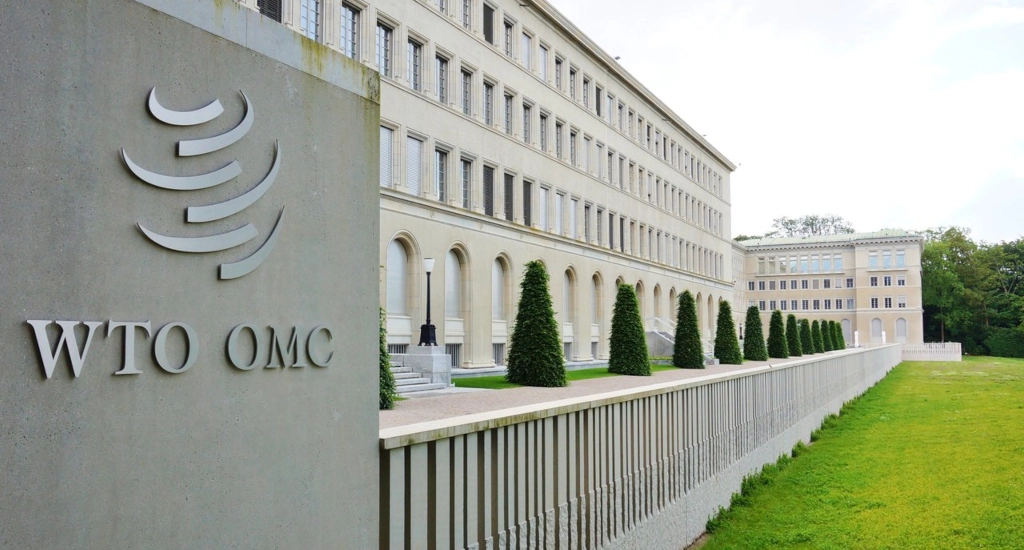
Brazil has officially requested the inclusion of a new agenda item for the WTO General Council meeting scheduled for July 22-23. Titled “Upholding the rules-based multilateral trading system,” the item is a direct reference to Trump’s aggressive trade tactics against Brazil. The agenda addition signals that Brazilian diplomats will voice their concerns and grievances regarding Trump’s tariffs during the meeting in Geneva.
While this move does not yet constitute the initiation of a formal trade dispute, it is a politically charged gesture. Brazil aims to express its disapproval of the U.S. President’s approach to trade policy, which the country views as an unlawful use of tariffs for political ends, contrary to WTO regulations.
Brazil’s Diplomatic Strategy
The Brazilian government has appointed Philip Gough, Secretary for Economic and Financial Affairs, to lead the delegation at the upcoming WTO meeting. Brazil hopes that its stance will resonate with other affected nations, encouraging them to speak out against the misuse of trade tariffs.
The Attack on WTO’s Dispute Settlement Mechanism
However, Brazil faces a significant hurdle in seeking justice through the WTO’s legal framework. The dispute settlement mechanism, which traditionally resolves trade conflicts, has been rendered ineffective due to actions taken by the Trump administration. Starting in 2017, the U.S. government began vetoing the appointment of judges to the WTO’s Appellate Body, leading to its eventual collapse when the number of judges fell below the minimum required to hear cases.
This strategic move by Trump has essentially shielded the U.S. from international accountability in trade matters. Even if Brazil were to initiate a formal dispute, any ruling against the U.S. could be appealed to the now-defunct Appellate Body, rendering the process futile.
Like my content? Support me with a tip!