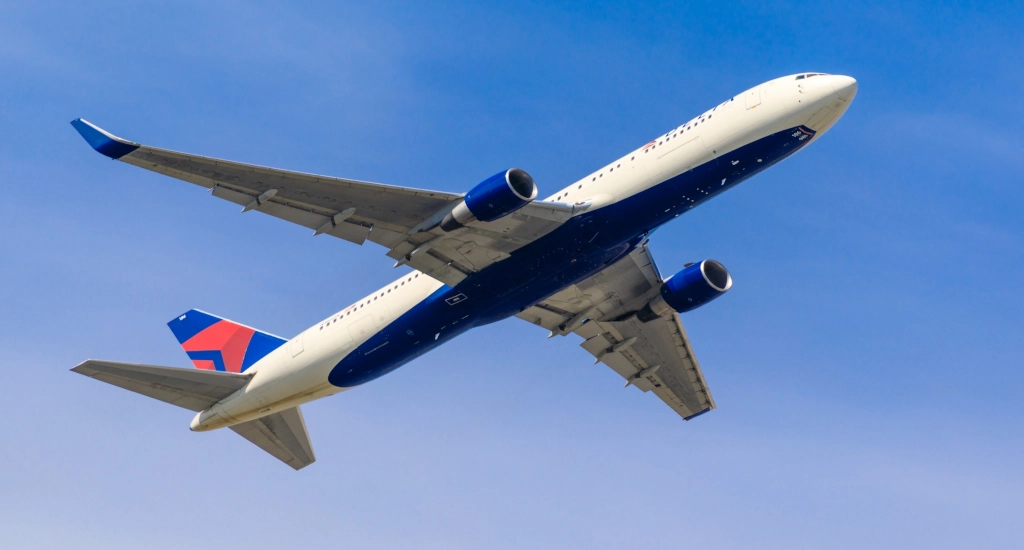
According to Airbus’ Global Market Forecast (GMF), passenger traffic in Brazil is set to more than double over the next two decades, peaking by 2044.
Currently, the average Brazilian takes just 0.5 flights per year—meaning most people fly only once every two years. But Airbus projects that this figure will surpass one flight per person annually by the target date.
This surge in demand will be driven by a combination of factors: the continued strengthening of Brazil’s already robust domestic market, and the expansion of international and, especially, intra-regional routes across Latin America.
To accommodate this growth without a spike in operating costs, fleet renewal is key. Damien Sternchuss, Airbus’ Vice President and Head of Marketing for Latin America and the Caribbean, told Canaltech that aircraft efficiency is what will make this growth sustainable.
“The A321neo is the most efficient aircraft, offering the lowest cost per seat. This allows airlines to accelerate growth in a sustainable way where demand exists,” Sternchuss explained.
The Neo family of aircraft delivers up to 25% reductions in fuel burn and CO₂ emissions compared to previous generations.
Advanced Materials and Passenger Comfort
Efficiency gains aren’t just about engines—they’re also built into the aircraft’s structure. The A350, designed for long-haul routes, exemplifies this evolution: over 70% of the aircraft is made from advanced materials. Of that, 53% is composite, such as carbon fiber, combined with titanium and modern metal alloys. The use of carbon fiber reduces weight, cutting kerosene consumption, while also minimizing corrosion and material fatigue—leading to lower maintenance costs and less downtime.
For passengers, the benefits are felt in comfort. The A350’s Airspace cabin features advanced pressurization and intelligent lighting to reduce fatigue.
“The A350’s cabin can be pressurized to a lower altitude than traditional aircraft, helping passengers rest more during the flight,” Sternchuss noted.
The full LED lighting system simulates the day’s natural light cycles, helping to regulate passengers’ circadian rhythms and lessen the effects of jet lag on long trips.
Brazil Poised to Lead in Green Aviation Fuel
The aviation industry’s overarching goal is to achieve carbon neutrality by 2050, and Sustainable Aviation Fuel (SAF) is central to that mission.
All Airbus aircraft are currently certified to fly on a blend of up to 50% SAF, with the aim of reaching 100% compatibility by 2030.
Brazil is uniquely positioned to lead the global SAF revolution. With a long history in biofuel development dating back to the 1970s and abundant biomass resources, the country is poised to become a major producer of SAF, potentially reshaping the energy matrix of aviation worldwide in the coming decades.
Source: Canal Tech
Like my content? Support me with a tip!