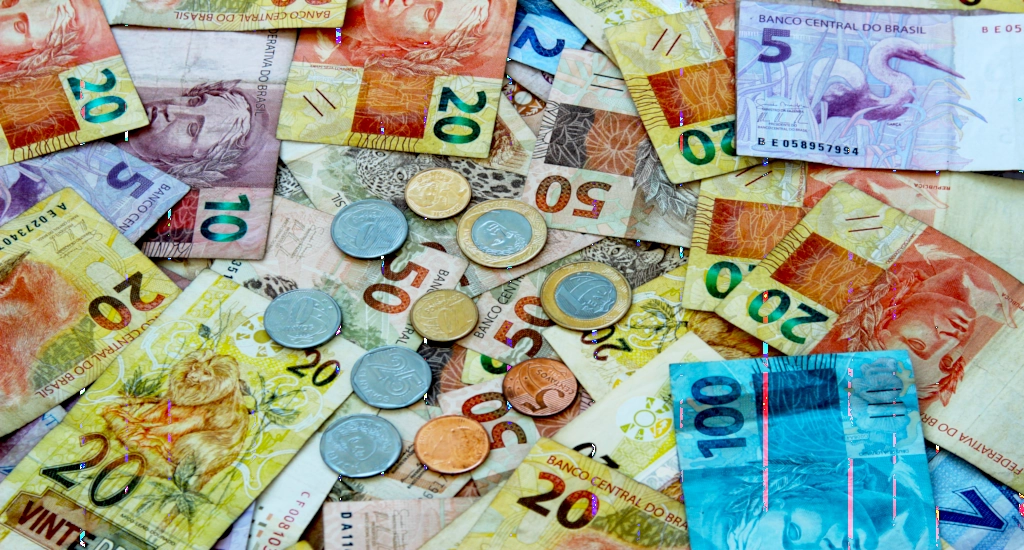
In a major announcement today in São Paulo, Aloizio Mercadante, president of the National Bank for Economic and Social Development (BNDES), revealed that the Brazilian government will provide an additional R$ 70 billion in credit lines by the end of 2026 to support the country’s reindustrialization efforts. This comes on top of the R$ 300 billion already allocated between 2023 and 2025 for the same purpose.
The pledge was made during a presentation of the results of the “Nova Indústria Brasil” (New Industry Brazil) program, which aims to revitalize the nation’s manufacturing sector. “We are increasing the credit available to industry by another R$ 70 billion before the end of the year,” Mercadante stated. “This will bring the total to R$ 370 billion for our next phase of investment,” he added.
Since the program’s inception, the government has financed R$ 287.4 billion through fixed-income instruments and R$ 12.6 billion through variable-income instruments. The total amount surpasses the initial target of R$ 250 billion, which was increased to R$ 300 billion due to strong demand and the program’s early success.
Sectoral and Regional Breakdown
The funds have been distributed across various sectors of the Brazilian industry:
- Green industry: R$ 11.9 billion
- Innovative and digital industry: R$ 29.1 billion
- Export-oriented industry: R$ 46.3 billion
- General productive industry: R$ 212.8 billion
Regionally, the Southeast has received the largest share, accounting for 49% of the total (R$ 140.8 billion), followed by the South (R$ 76.9 billion, 27%), the Center-West (R$ 35.4 billion, 12%), the Northeast (R$ 24.5 billion, 9%), and the North (R$ 9.9 billion, 3%).
Large companies have been the main beneficiaries, receiving 61% of the total (R$ 175.6 billion), while small and medium-sized enterprises (SMEs) accounted for 39% (R$ 111.8 billion).
A Shift in Economic Policy
The government’s active support for industrial policy marks a significant departure from the previous administration’s approach, which favored market liberalization and a reduced state role in the economy. The “Nova Indústria Brasil” program is structured around six strategic pillars:
- Defense: Developing national technologies for defense and security.
- Health: Aiming to produce 70% of the country’s pharmaceutical and vaccine needs domestically.
- Decarbonization: Promoting the energy transition, renewable fuels, circular economy, and alternatives to petroleum-based materials.
- Digital Transformation: Targeting the digitalization of 90% of Brazilian industries and boosting domestic production of new technologies.
- Urban Well-being: Investing in infrastructure, sanitation, housing, and urban mobility.
- Agro-industrial Chains: Increasing mechanization in family farming and expanding the role of agro-industry in the agricultural GDP, focusing on processing, preservation, and value addition of commodities.
Looking Ahead
With the additional R$ 70 billion in credit lines, the government hopes to further accelerate the country’s industrial transformation, reduce external dependencies, and foster innovation and sustainability across all sectors.
Mercadante emphasized that the program’s success so far has exceeded expectations and that the government is committed to maintaining and expanding this support to ensure Brazil’s long-term industrial competitiveness.
Source: UOL
Like my content? Support me with a tip!