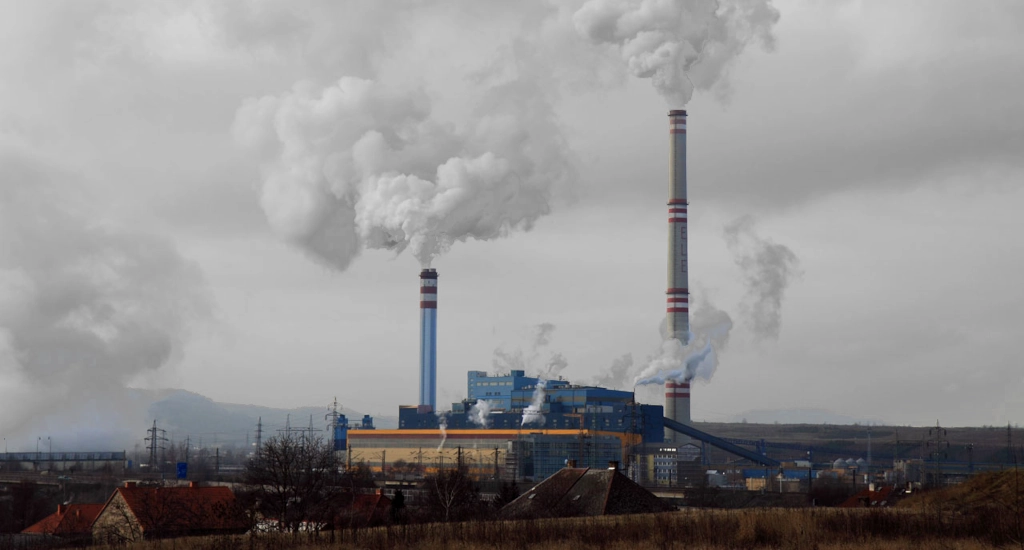
Four Taiwanese employees working at Chinese facilities that produce iphones for Apple have been detained by local authorities, according to Taiwanese officials. These detentions mark the latest in a series of corporate actions that have raised concerns among foreign businesses operating in China. The employees in question were employed at a Foxconn Technology Group complex in Zhengzhou, China, a critical site for Apple’s iPhone production, often referred to as “iPhone City.”
The Taiwanese government agencies overseeing cross-strait relations reported that the employees were accused of a crime akin to breach of trust, although the specific allegations remain unclear. Taiwan’s Mainland Affairs Council (MAC), responsible for managing relations with Beijing, called the detentions “bizarre” and emphasized that improper handling of the situation could severely harm investor confidence in China.
Foxconn, the Taiwanese company at the heart of the issue, stated that no financial loss was incurred due to the alleged actions of the employees. However, they did not provide further comment on the detentions, nor did Apple respond to inquiries on the matter. Representatives from the Zhengzhou police department were also unavailable for comment.
Taiwan’s government has raised alarms about the treatment of its citizens working in China, particularly in light of new national security laws Beijing enacted targeting individuals it labels as “Taiwan independence die-hards.” These laws, which include threats of the death penalty, have contributed to Taiwan upgrading its travel alert for China to the second-highest level, urging its citizens to avoid nonessential trips.
The Straits Exchange Foundation, a Taiwanese body handling business interactions with China, confirmed it is working with Foxconn and the families of the detained employees to provide assistance. As tensions escalate between China and Taiwan, Taiwanese officials express increasing concerns over the safety of their citizens in Chinese territories.
While China has repeatedly claimed it seeks to promote foreign investment, its actions seem to tell a different story. Businesses are growing wary, especially in light of recent detentions, such as the case of a Japanese pharmaceutical executive formally arrested in 2023 after months of detention, and an Australian journalist held for over three years.
The deteriorating environment has further fueled skepticism about China’s treatment of foreign enterprises and workers. Foxconn itself came under scrutiny from Chinese tax authorities in 2023, coinciding with founder Terry Gou’s brief presidential campaign in Taiwan. Apple, trying to avoid further issues, has been diversifying its production chain, moving a lot of it to India.
Though China continues to push for investment, especially in critical sectors such as electronics manufacturing, recent detentions send a troubling signal. The crackdown on those perceived as supporters of Taiwan’s independence reflects the Chinese government’s increasingly aggressive stance. It’s worth noting that Taiwan, a democratic island nation with its own government, has been treated as a renegade province by Beijing—a stance that many in the global community, including Taiwan itself, continue to reject.
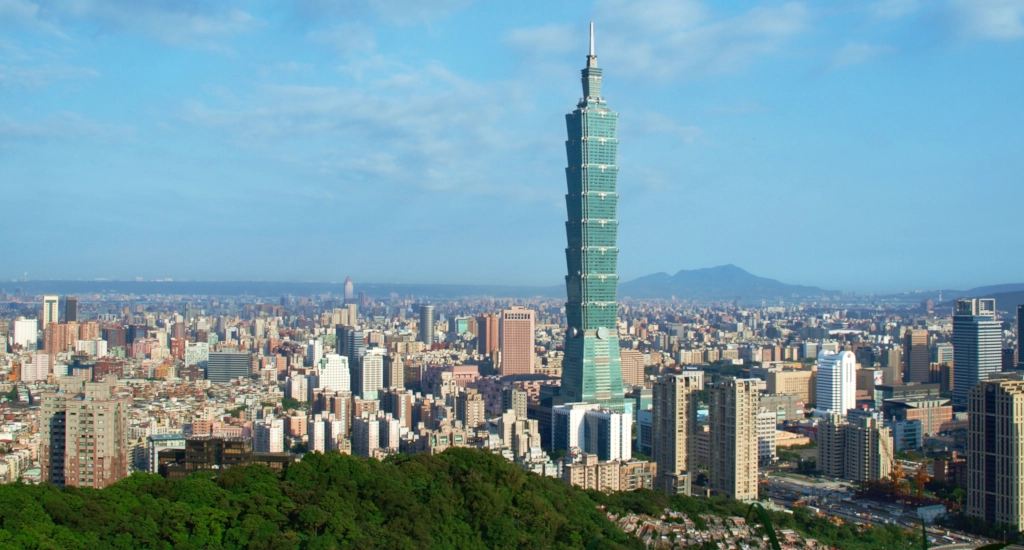
As China tightens its grip on Taiwanese nationals, business confidence in the country may further erode, leaving both foreign investors and Taiwanese workers in a state of uncertainty. Taiwan, despite China’s refusal to recognize its sovereignty and constant threats, is a thriving, independent nation—a fact that many around the world acknowledge, even as Beijing continues to deny reality.
This situation highlights not only the growing geopolitical tensions but also the inherent risks faced by foreign companies and their employees operating under China’s tightening legal framework. Whether China can continue to attract foreign investment in such a climate remains to be seen.
Source: MSN
Like my content? Support me with a tip!