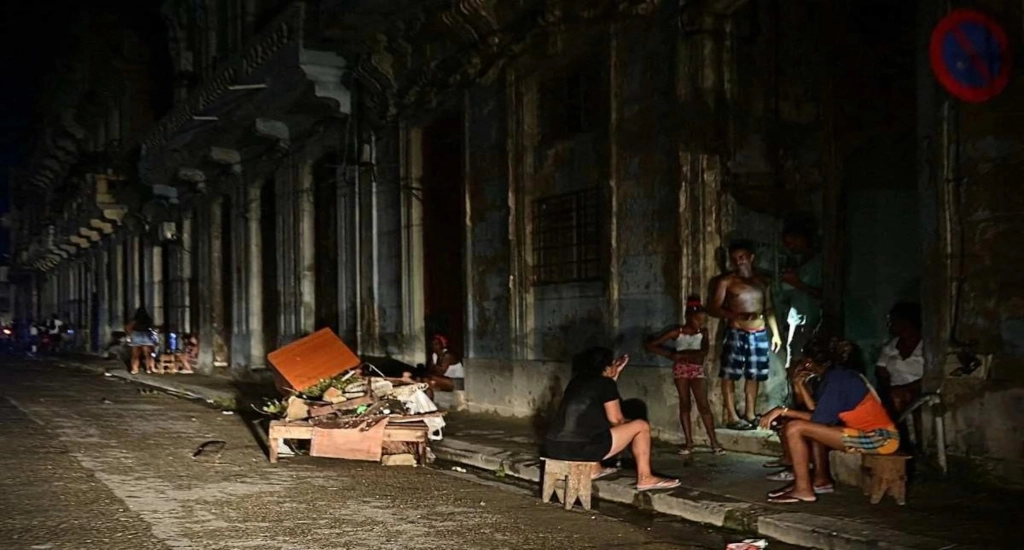
Tuberculosis (TB) is a devastating disease that has plagued humanity for millions of years. Caused by the bacterium Mycobacterium tuberculosis, TB spreads through the air when an infected person coughs or sneezes. It kills over 1 million people every year, specially in underdeveloped and overly populated countries.
In your body
One in four people worldwide is infected with TB. However, most people do not develop the disease as their immune system keeps it in check. When TB becomes active, which happens in 1 out of every 10 people who have the disease, it can be severe.
Transmission and Entry
- Inhalation: TB spreads through the air. When an infected person coughs or sneezes, they release tiny droplets with bacteria. If someone else breathes in these droplets, the bacteria enter their lungs.
- Initial Infection: The bacteria reach the air sacs in the lungs (alveoli) and start multiplying. This is called primary TB.
Immune Response and Latent TB
- Immune Response Activation: The immune system sends cells to attack the bacteria. However, TB bacteria can survive inside these cells.
- Granuloma Formation: The immune system surrounds the infected cells, forming a granuloma to trap the bacteria. At this stage, the infection is called latent TB. People with latent TB don’t show symptoms and aren’t contagious, but the bacteria remain in their bodies.
Active TB Disease
- Reactivation: In some people, especially those with weak immune systems, the bacteria can become active again, leading to active TB.
- Spread and Damage: The active bacteria multiply and spread, causing tissue damage. In the lungs, this can create cavities (holes) in the tissue.
Symptoms
- Pulmonary TB Symptoms: Symptoms of lung TB include a persistent cough (lasting over three weeks), chest pain, coughing up blood, fever, night sweats, weight loss, and fatigue.
- Extrapulmonary TB Symptoms: When TB affects other body parts, symptoms vary. For example, TB in the spine causes back pain, while TB meningitis causes headaches and confusion.
Treatment Challenges
The treatment of tuberculosis faces several challenges that can be broadly categorized into issues related to the disease itself, the treatment regimen, patient factors, and healthcare system constraints.
- Disease Biology:
- Latency: TB can remain dormant in the body for years, making it difficult to detect and treat.
- Drug Resistance: The development of resistance to antibiotics is a growing problem, especially in the case of multi-drug resistant (MDR) and extensively drug-resistant (XDR) TB.
- Treatment Regimen:
- Duration: TB treatment typically lasts six to nine months, which can lead to patient non-compliance and the emergence of drug-resistant strains.
- Complexity: The regimen often involves multiple drugs taken in specific patterns, which can be difficult for patients to adhere to.
- Side Effects: Common drugs like rifampin and isoniazid can have significant side effects, contributing to treatment interruption.
- Patient Factors:
- Social and Economic Barriers: TB often affects the most vulnerable populations who may lack access to healthcare, education about the disease, and financial resources for treatment.
- Stigma and Discrimination: TB patients often face social stigma, which can impede their willingness to seek treatment and adhere to it.
- Healthcare System Constraints:
- Access to Treatment: Many regions lack the necessary infrastructure to diagnose and treat TB effectively.
- Human Resources: There is a shortage of healthcare workers trained in TB management, especially in low-resource settings.
- Funding: Ensuring sustainable funding for TB control initiatives is challenging, as TB is a chronic disease that requires long-term commitments.
- Global Health Challenges:
- Migration and Global Travel: The movement of people across borders can spread TB, especially drug-resistant strains.
- Co-infection with HIV: TB is a common opportunistic infection in people with HIV, complicating treatment and management.
- Political and Economic Factors:
- Policy and Leadership: Inadequate political commitment and resources allocated to TB control can hinder effective treatment.
- Cost: The financial burden of treating TB, particularly MDR and XDR strains, can be substantial for both healthcare systems and individual patients.
Call to Action
For those interested in helping, Partners In Health (PIH) is a global health organization that was founded with the mission to provide healthcare to the poor and to tackle diseases that disproportionately affect the underprivileged. PIH has been instrumental in the fight against tuberculosis (TB), particularly in the most resource-poor settings.
(For those unsure, the organization has pretty good reviews on Charity Navigator and Charity Watch)
PIH‘s work in TB is characterized by several key strategies:
- Integrated Care: PIH integrates TB care into broader healthcare services, ensuring that patients receive comprehensive treatment and care for co-morbidities. This approach also includes providing social support to help patients adhere to treatment and recover from the disease.
- Community-Based Treatment: Recognizing that TB is a disease that affects the most vulnerable populations, PIH operates within communities, making care accessible to those who might not be able to travel to distant health facilities.
- Patient Education and Support: PIH educates patients about TB, including its symptoms, treatment, and the importance of adherence. They also provide support to help patients overcome the social and economic challenges associated with the disease.
- Capacity Building: PIH works to strengthen healthcare systems in the regions where they operate by training local healthcare workers, improving diagnostic capabilities, and supporting the development of sustainable health services.
- Advocacy and Policy Influencing: PIH works to influence policy and practice in TB care, advocating for government and international action to provide resources, improve health systems, and ensure that TB treatment is a priority.
- Research and Innovation: PIH engages in research to better understand TB and evaluate new treatment strategies. They also work to develop and implement innovative solutions to improve TB care and outcomes.
Through these and other efforts, PIH has been able to significantly reduce TB incidence and mortality in the areas where they work. Their approach has been recognized for its effectiveness in reaching the most marginalized populations and for promoting sustainable, long-term health improvements.
Like my content? Support me with a tip!