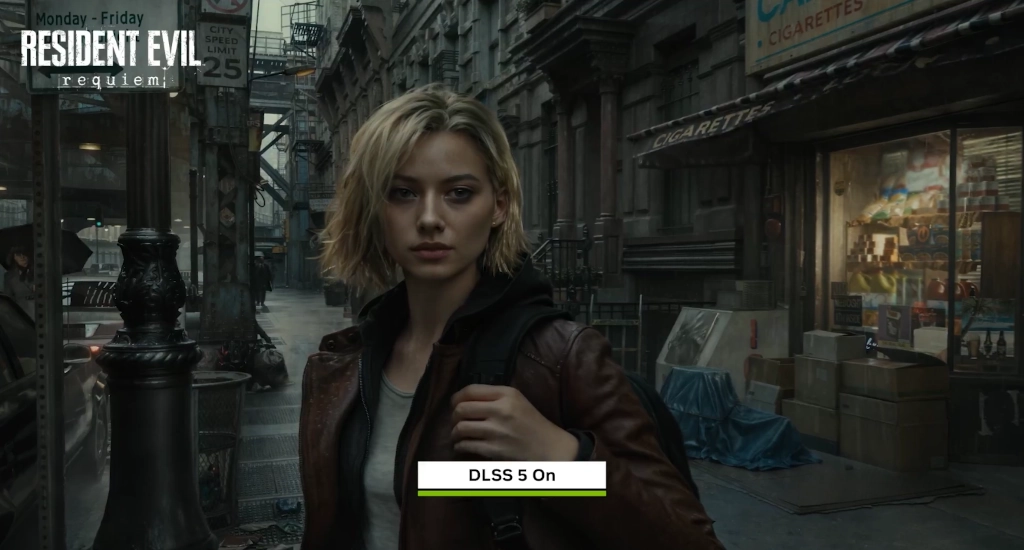
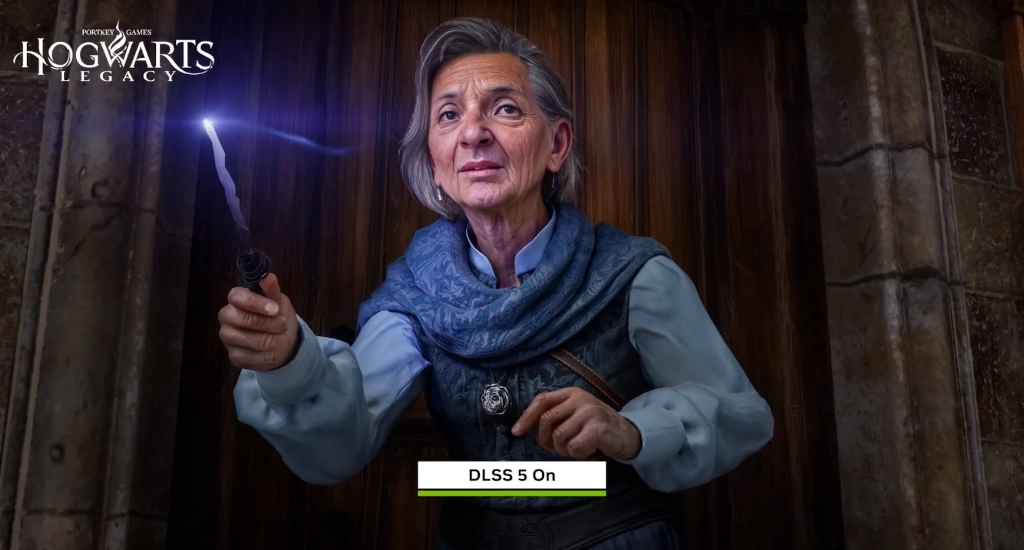
Nvidia’s DLSS 5 is being sold as the next big thing in gaming graphics, but the reality is… it’s AI slop. Sure, it might look impressive at first glance, especially when you see a “before” and “after” comparison. But dig a little deeper, and what you’ll find is a technology that’s more interested in making your games look like Instagram photos than preserving the artistry game developers put into them.
Let’s start with the basics. DLSS 5 uses AI to “enhance” lighting, textures, and even character faces. But “enhance” is a generous word. In practice, it’s more like “replace.” Take the example of Grace from Resident Evil 9. Nvidia proudly showed off how DLSS 5 turned her into a blonde, heavily made-up Instagram model. Not only did it change her hair color and makeup, but it completely altered her character’s vibe. Gamers and developers alike are calling this out as a betrayal of artistic intent. The character isn’t supposed to look like a filtered influencer—she’s supposed to look like, well, herself.
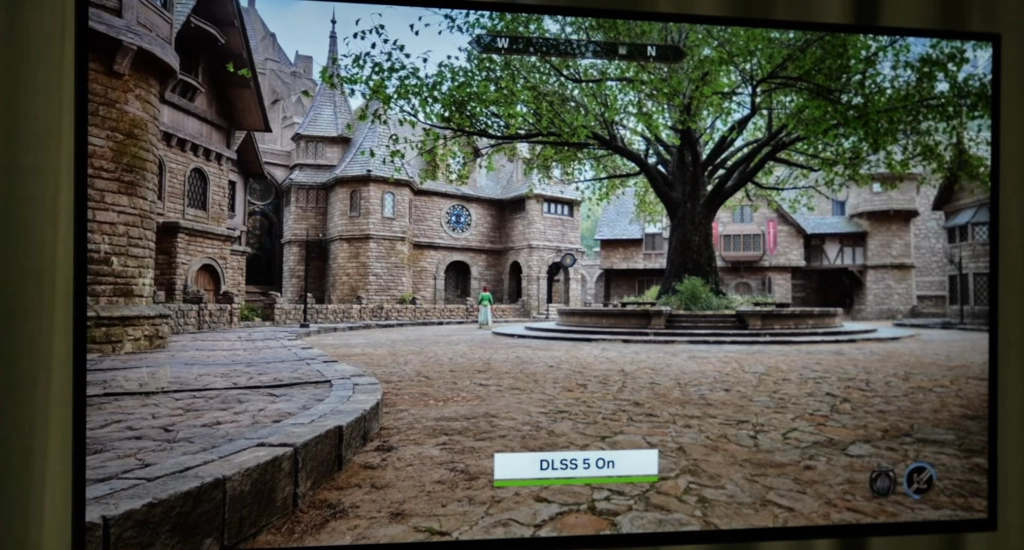
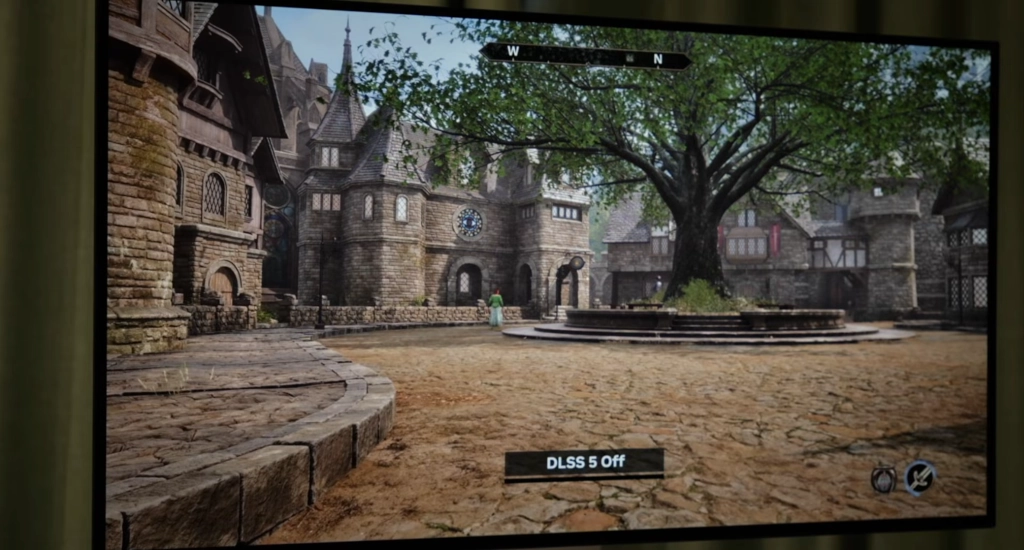
And it’s not just about faces. DLSS 5 seems to strip out important visual elements like shadows and ambient occlusion, which are critical for creating the mood and atmosphere of a game. One developer pointed out that when DLSS 5 was applied to Oblivion, the result wasn’t an improvement—it just looked like a generic photo taken on a cloudy day. That’s not better; it’s just… different. And not in a good way.
What’s even more infuriating is the hardware cost. The demos Nvidia showed required 2 RTX 5090s—one just to run the game, the other to process the DLSS 5 magic. So, you’re talking about a technology that demands top-tier hardware just to make your game look… like a smartphone photo.
Critics and game developers are also worried about the long-term implications. If this becomes standard, will developers get lazy? Will they stop putting effort into things like anti-aliasing or character modeling, knowing DLSS 5 will “fix” it later? Some devs are already saying they’d refuse to use it in its current form. One art director bluntly stated: “No. I wouldn’t use it.” And he’s not alone. Many developers feel this tech undermines their creative control and could even push Japanese studios—famous for their meticulous art direction—away from PC gaming altogether.
Then there’s the “AI hallucination” issue. Some users have reported that characters’ faces subtly change between frames, or that small details like blinking eyes look… wrong. It’s not even consistent. It’s like watching a character slowly morph into someone else while you’re playing.
And let’s not forget the broader trend: this is part of a larger push toward “AI-enhanced” visuals that are starting to look all the same. It’s the “Instagramification” of gaming—everything gets smoothed out, averaged, and sanitized until it looks like every other influencer post. That’s not progress. That’s just… boring.
Finally, the community’s reaction says it all. Gamers are not impressed. Developers are horrified. And even some of the people who are supposed to be excited about this tech are backing away, saying it needs a lot of work before it’s ready for prime time. Nvidia’s own PR might be trying to spin this as a revolution, but the people who actually make and play games are calling it what it is: AI slop.
So, Nvidia, here’s a message from the trenches: don’t ship this garbage. Because right now, DLSS 5 isn’t making games better—it’s making them look like someone ran them through a filter and forgot to ask the artists if that was okay.
Source: Youtube
Like my content? Support me with a tip!