In recent times, methanol has been thrust into the limelight due to its involvement in a controversy over beverage adulteration, causing health issues across Brazil. However, beyond this unfortunate episode, methanol is emerging as a key player in the quest for sustainable energy. Dubbed ‘e-methanol’, this green variant of methanol is poised to be a game-changer in the energy sector, offering a viable alternative for large-scale use.
Scientists at the Institute of Chemistry of the University of São Paulo (IQ-USP) are spearheading research, supported by the São Paulo Research Foundation (FAPESP) and Shell, aimed at developing e-methanol within Brazil‘s growing green technology landscape. Unlike traditional methanol, which is derived from non-renewable natural gas and contributes to the greenhouse effect, e-methanol is crafted from recycled, renewable resources.
The production process of e-methanol involves capturing carbon dioxide (CO2), a notorious greenhouse gas, and combining it with green hydrogen, which is produced using renewable electricity. This synergy is facilitated by a catalyst, an innovative chemical species designed to expedite the reaction, which has been developed and patented by Brazilian researchers. Although effective, the catalyst is undergoing enhancements to boost its performance for industrial-scale applications.
The research team at USP is working towards unveiling a pilot project by early 2026, featuring an optimized catalyst that can produce approximately 3 liters of fuel daily. Scaling up this initiative, the establishment of an industrial facility at an ethanol plant could potentially yield a staggering 100,000 tons of Green Methanol per day.
The Crucial Role of CO2 Utilization
Carbon dioxide emissions are a major environmental menace, with the World Meteorological Organization (WMO) reporting record levels of CO2 in the atmosphere for 2024. This chemical compound is the primary driver of the greenhouse effect, influencing global climate patterns detrimentally. The urgency to curb these emissions is palpable, as unchecked releases threaten to exacerbate climate-related phenomena, endangering millions worldwide.
In this context, e-methanol presents a beacon of hope, aiming to recycle CO2 and mitigate environmental harm. The innovative fuel not only sequesters atmospheric CO2 but also serves as a cleaner substitute for fossil fuel-derived products, thereby preventing further emissions.
E-Methanol’s Potential Impact
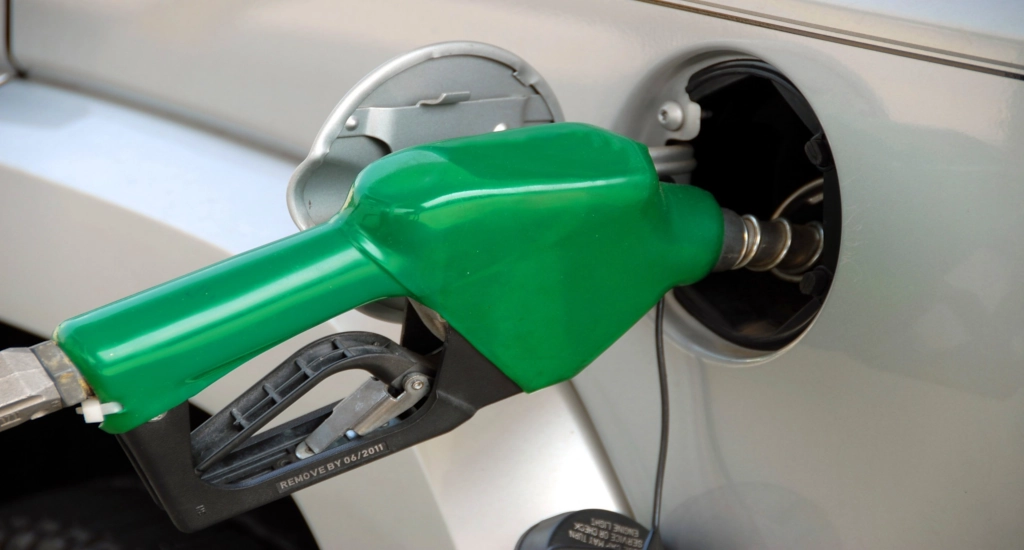
The advent of e-methanol promises more than just a reduction in atmospheric CO2 through recycling. It stands to revolutionize maritime and agricultural sectors by providing a cleaner fuel option for ships and tractors, effectively reducing reliance on fossil fuels.
Moreover, e-methanol can replace conventional methanol as a raw material in various industries, including the production of fertilizers and chemicals such as formaldehyde, paints, acetic acid, biodiesel, and glass cleaners. These applications could significantly lower the environmental footprint associated with traditional manufacturing processes.
Despite its promising attributes, e-methanol is currently not cost-competitive with its conventional counterparts due to higher production expenses. Nevertheless, Vidinha, one of the lead scientists in the project, is optimistic. She believes that the construction of a facility capable of mass-producing e-methanol could tip the scales in favor of this sustainable fuel in the not-too-distant future.
As Brazil continues to invest in the development of e-methanol, the world watches with bated breath, anticipating a breakthrough that could redefine sustainable energy solutions and contribute to the global effort in combating climate change.
Source: TechTudo
Like my content? Support me with a tip!