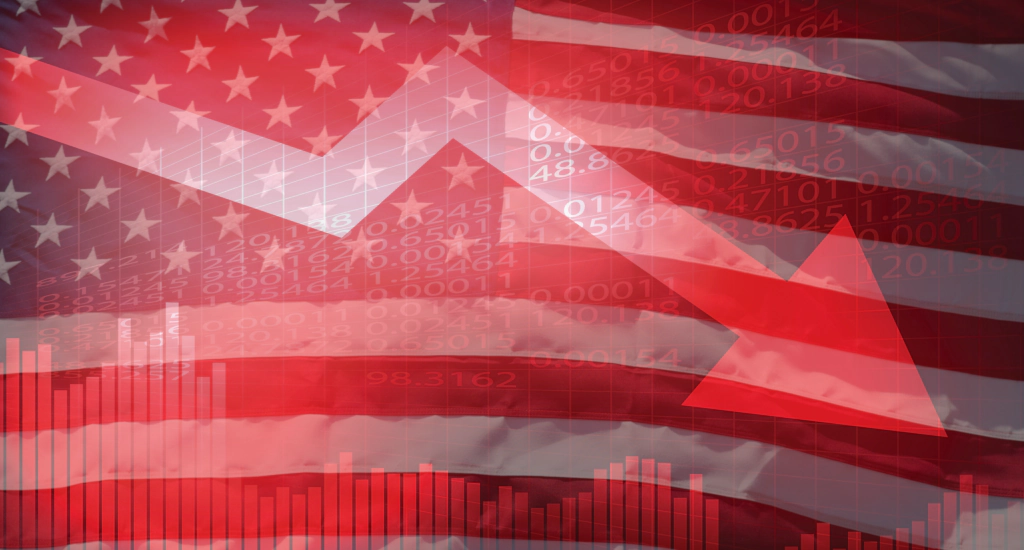
The S&P 500, an index of the American stock market that includes 500 of the largest publicly traded companies in the U.S., experienced a temporary surge in value by $3.6 trillion on this Monday (7), following a false report that also spread through traditional media outlets, which briefly reassured investors.
The spike reached a peak of 8.5%, but by the end of the day, the gains had evaporated. The index closed with a daily decline of 0.23%.
At 10:09 AM, the X (formerly Twitter) account Hammer Capital, which had around 600 followers at the time, posted a statement falsely attributed to Kevin Hassett, the director of the White House Economic Council, which was later debunked by international media and the U.S. government.
The same sentence, including the formatting, was repeated at 10:13 AM by the profile Walter Bloomberg, unrelated to the news agency of the same name, and with 838.000 followers on X.
The owner of the Walter Bloomberg profile told The New York Times that they discovered the content just minutes earlier on another X account. “Given the market’s movement — up 4.5% — I deemed the headline credible and posted it at 10:13.”.
CNBC, another huge news network focused on market and stocks, soon parroted the same words to the public without checking.
Volatile, Uncertain Market
Such volatility is not merely a reflection of the economic fundamentals but also of the market and media susceptibility to misinformation. In an environment where a single, unsubstantiated post can lead to trillions of dollars gained and lost over a hours, nobody should think about investing.
The swift dissemination of fake news through social media platforms, traditional media outlets and, alarmingly, even the government entities have turned the U.S. into an absolutely volatile market. This very fluctuation makes american stocks look like a casino, and we all know how Trump has bankrupt one of those before.
Moreover, the fact nobody at a major news station in the U.S. checked before further boosting the information shows just how hard it is for the average person to get trustworthy news in the country currently.
For the next 4 or so years, the U.S. market may continue to be plagued by these volatility-inducing incidents, as the mechanisms to prevent the spread of fake news and to ensure timely corrections are few and the ones that exist are being actively killed. Therefore, in my opinion, investors seeking stability and predictability might find it prudent to reconsider their strategies and potentially diversify their investments beyond U.S. borders to mitigate the risk of being caught in the crosshairs of market-moving hoaxes.
Source: Folha
Like my content? Support me with a tip!