
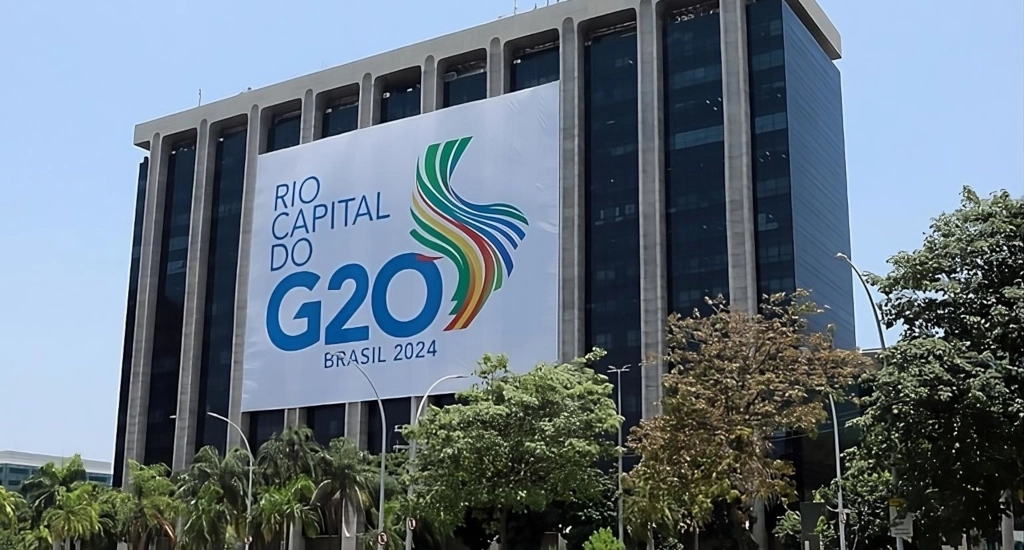
Finance ministers from the G20 nations have agreed to work cooperatively toward effectively taxing the ultra rich, according to a statement adopted Friday(26th of July) following a two-day meeting in Rio de Janeiro. This decision marks a significant step in addressing the global issue of wealth and income inequality.
The final declaration emphasized the importance of tax fairness, stating, “With full respect to tax sovereignty, we will seek to engage cooperatively to ensure that ultra-high-net-worth individuals are effectively taxed.” The statement also highlighted the growing concern that “wealth and income inequalities are undermining economic growth and social cohesion and aggravating social vulnerabilities.”
The initiative to crack down on tax-dodging billionaires, a priority for Brazilian President Luiz Inacio Lula da Silva, dominated the discussions. Lula, who currently chairs the G20, had originally advocated for a 2% minimum tax on the wealthy elite. Although the final declaration represents a compromise, it is seen as a crucial step forward in tackling the issue.
According to a report by French economist Gabriel Zucman, commissioned by Brazil, billionaires currently pay the equivalent of just 0.3% of their wealth in taxes. The proposed 2% tax could generate between $200 billion (€184 billion) and $250 billion (€230 billion) annually from around 3,000 individuals. The revenue could fund public services such as education and healthcare, as well as initiatives to combat climate change.
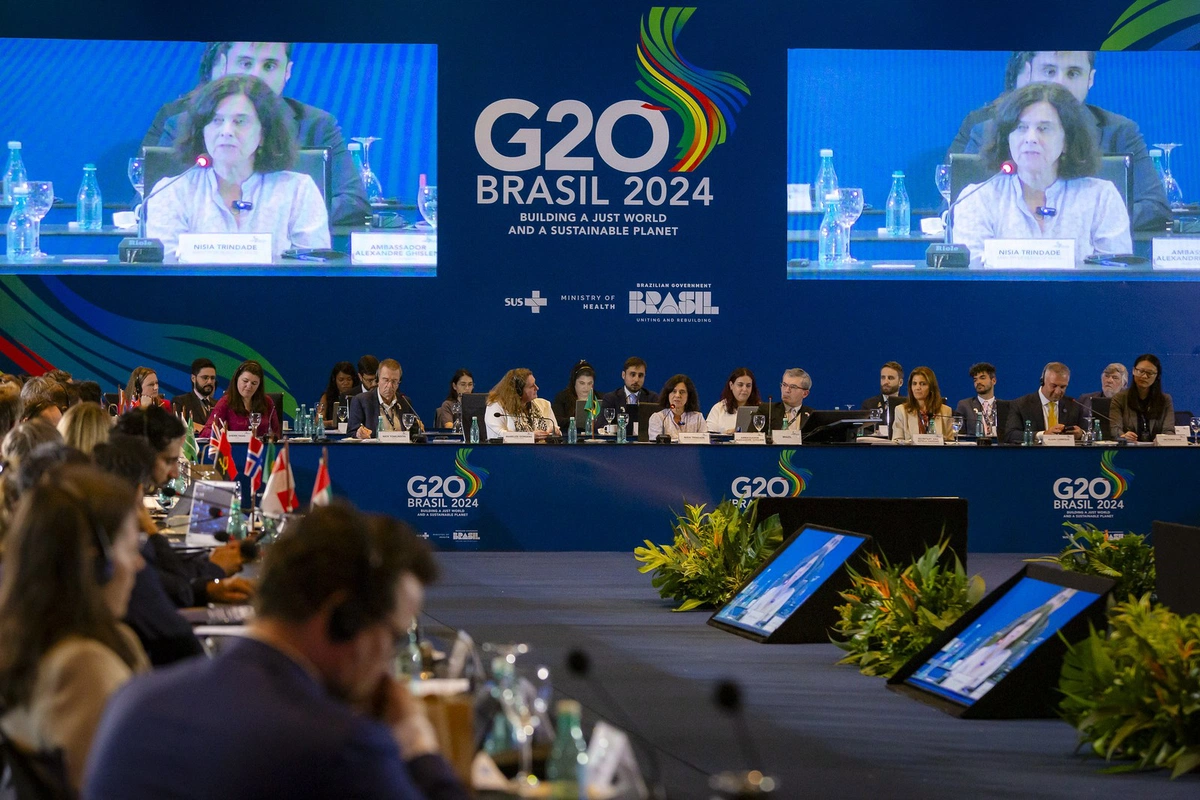
While the G20’s decision has been welcomed by many, it has also revealed divisions among member states. The United States and Germany expressed reservations about the need for a global agreement, while countries like France, Spain, South Africa, and Colombia, along with the African Union, supported the initiative.
Despite these differences, Brazilian Finance Minister Fernando Haddad praised the outcome, calling it a “significant step forward.” He noted the moral importance of addressing the disparity in tax burdens between the rich and the poor, adding, “It really exceeded our initial expectations.”
International Monetary Fund chief Kristalina Georgieva also endorsed the G20’s stance on “tax fairness,” describing the decision to cooperate on taxing the ultrarich as “timely and welcome.”
As the G20 continues to explore this complex issue, experts anticipate that the discussions will extend into the coming months and years, with a focus on exchanging best practices and devising anti-avoidance mechanisms. However, implementing such measures on a global scale is likely to be a challenging process, as acknowledged by European Economic Commissioner Paolo Gentiloni and U.S. Treasury Secretary Janet Yellen.
The initiative’s progress should be closely watched, as it could pave the way for significant changes in how the world’s wealthiest individuals are taxed, potentially improving the landscape of global economic equality.
Like my content? Support me with a tip!