
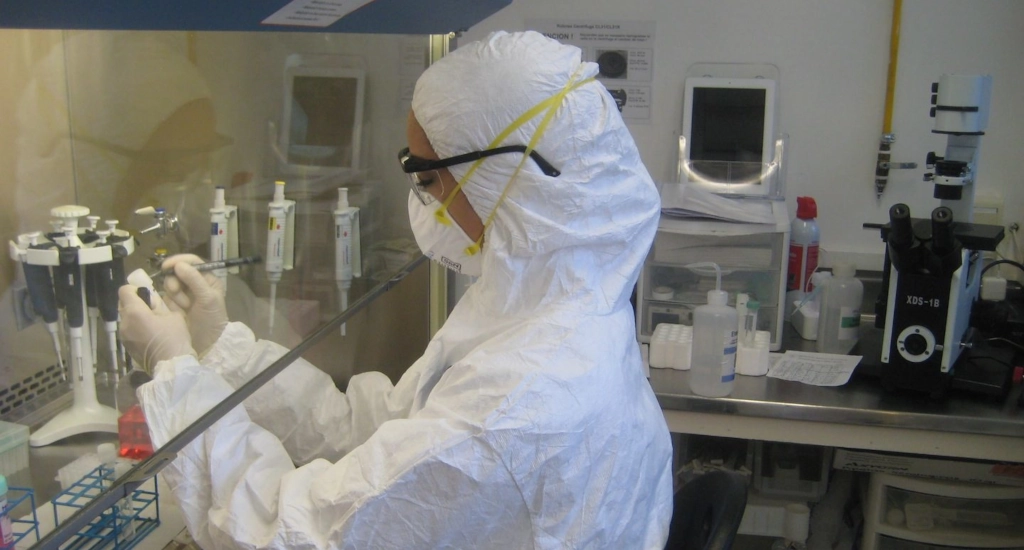
Scientists at University College London (UCL) and Moorfields Eye Hospital have developed a new gene therapy that helps babies born with severe blindness see better. The treatment was tested on four children who were born with a rare genetic condition caused by a faulty AIPL1 gene. This gene is very important for the health of the eye. Without it, the cells in the retina (the light-sensitive layer at the back of the eye) do not work well and die, leaving the child with only the ability to see light and dark.
How the Treatment Works
The new therapy works by replacing the bad gene with a healthy copy. Doctors inject the good gene into the retina using a harmless virus to carry it into the eye. The injection is done through a small keyhole surgery. To keep the treatment safe, the therapy was given in only one eye for each child. This way, doctors could compare the treated eye with the untreated one. Over a period of three to four years, the children showed clear improvements in the treated eye, while the untreated eye continued to lose sight.
Why This Is Important
Before this new treatment, there were very few options for children with this type of blindness. A similar gene therapy for another gene (RPE65) has been used in the UK since 2020, but this new therapy targets a different, rarer gene problem. The success of this treatment offers hope that more children with genetic blindness can have their vision improved in the future.
Real-Life Impact
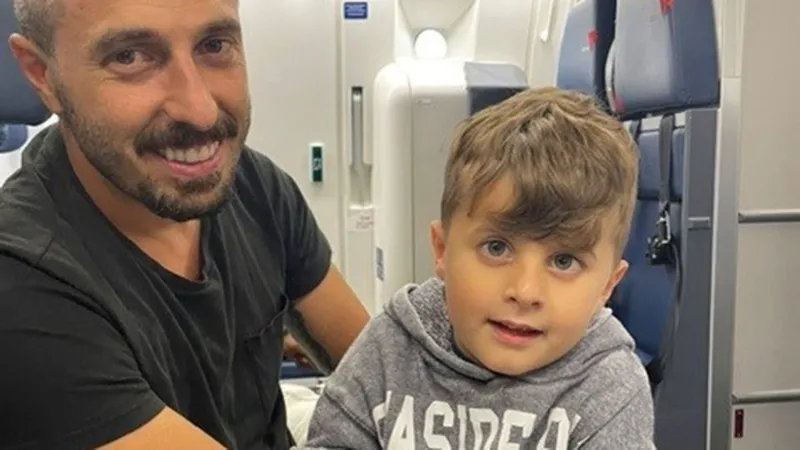
One of the children, named Jace from Connecticut, showed remarkable changes after the treatment. His parents reported that he began to track objects and recognize faces for the first time. His mother mentioned that even small details, like recognizing his favorite cars on TV, were now possible. These improvements can have a huge impact on a child’s development and quality of life.
What’s Next?
The study, published in the medical journal The Lancet, shows that treating genetic blindness early can lead to long-lasting improvements. Researchers are now working to make this treatment available to more children around the world. They hope that soon, children with both rare and common types of genetic blindness will benefit from these advances.
Like my content? Support me with a tip!