
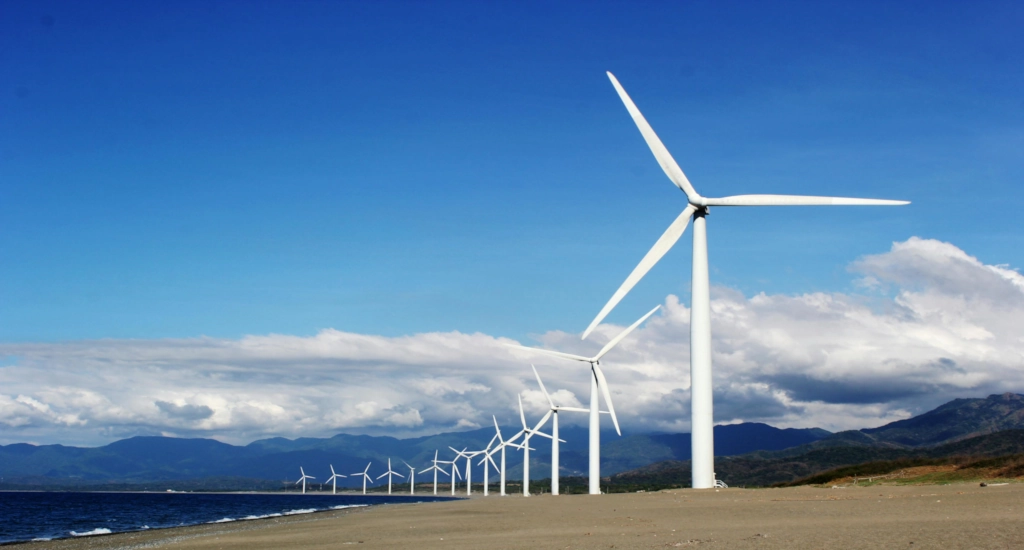
The transition to clean energy is gaining momentum in Brazil’s industrial sector, driven by the urgent global need for decarbonization and sustainable resource use. A new survey released this Thursday (June 5) by the National Confederation of Industry (CNI) shows that 48% of Brazilian industrial companies are, as of 2024, investing in renewable energy sources—up from 34% in 2023.
These sources include hydropower, wind, solar, biomass, and low-carbon hydrogen. Among those investing in renewables, self-generation has become the dominant strategy, adopted by 42% of the companies surveyed. Cost reduction is the main motivator, cited by 50% of the respondents.
The study surveyed 1,000 executives from small, medium, and large industrial companies across all Brazilian states.
“The growing interest in renewable energy shows Brazil is at the forefront and reflects the industry’s increasing commitment to sustainability,[…] It’s a clear sign that the sector is aware of its role in addressing climate change.”
– Roberto Muniz, CNI’s Director of Institutional Relations
Northeast Leads the Clean Energy Push
The regional breakdown highlights significant disparities. The Northeast leads the country, with 60% of industries there investing in green energy initiatives. The North and Center-West follow with 56%, then the South (53%), and the Southeast (39%).
There is also a rising recognition among companies that renewables and innovation are key to reducing emissions. In 2024, 25% of industries identified renewable energy as a top priority—up two points from last year. Innovation efforts aimed at a low-carbon economy grew even more sharply, from 14% in 2023 to 20% in 2024.
Financing and Policy Still Lag Behind
Despite the progress, challenges remain. Sixty percent of companies expressed interest in obtaining financing to upgrade their operations, but 90% say there is a lack of tax incentives for sustainable actions. Access to funding is considered a major bottleneck.
Brazil’s natural geographic and climate advantages give it a strategic edge in the global renewable energy market. According to the National Electric Energy Agency (ANEEL), over 90% of the country’s electricity matrix comes from clean sources—mainly hydropower, wind, and biomass. Technologies like green hydrogen and biomethane are emerging but still need to scale.
Brazil recently became the world’s fifth-largest solar energy producer, overtaking Germany, a traditional leader in the sector.
Sustainability Goes Beyond Energy
Sustainable practices in Brazil’s industry stretch well beyond clean energy. On average, companies implement six sustainability measures. The most common include:
- Reducing solid waste generation (89%)
- Optimizing energy consumption (86%)
- Modernizing machinery for environmental gains (81%)
- Reducing or eliminating water pollution (79%)
- Improving water use efficiency (79%)
- Enhancing production processes to boost environmental performance (77%)
In reverse logistics, 70% of medium and large companies already have specific initiatives. Among those investing in circular economy practices, 83% report these actions help directly reduce greenhouse gas emissions.
Source: Exame
Like my content? Support me with a tip!