Yes.
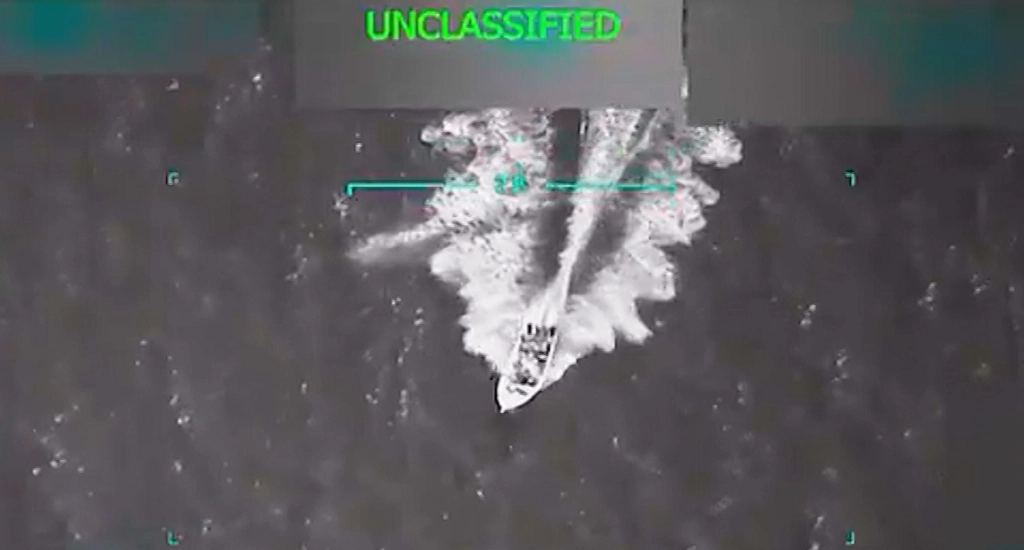
But that out of the way, other than recent illegal bombings of fishing boats near Venezuela, how many times has the United States of America commited warcrimes? Well, I hope you have time because this will be a long list(probably incomplete too, there are many cover ups).
The reason to list those is simple: To see if some U.S. defenders, specially some of their soldiers, finally understand that they are defending a horrible country. One that boasts about being a “defender of freedom and democracy” while overthrowing governments and committing horrible war crimes since 1800s.
If you dislike or doubt my listing here, take it up with wikipedia and their 180+ sources.
Philippines (Philippine–American War, 1899–1913)
- Killings of civilians: Widespread killings of men, women, children, prisoners, and suspected insurgents reported.
- Samar campaign (Pacification of Samar, 1901–1902): General Jacob H. Smith ordered killing of anyone over age ten; large-scale massacres and destruction followed.
- Concentration camps (Batangas and Laguna, 1901–1902): Civilians forced into camps. High disease and starvation deaths; thousands died.
- Moro Crater / Bud Dajo massacre (March 1906): Assault on a crater encampment resulted in very high Moro civilian casualties, including women and children.
Haiti (U.S. occupation, 1915–1934)
- Repression during Caco Wars (1915–1920): Marines and gendarmerie killed thousands. Allegations include lynchings, summary executions, rape, torture, and village burnings.
- Torture methods reported: Water-cure, hanging by genitals, and other brutal methods used on prisoners.
World War II
Pacific theater
- Attacks on shipwreck survivors: USS Wahoo and others fired on survivors of enemy transports (e.g., Buyo Maru). Allied POWs may have been among the dead.
- Bismarck Sea aftermath: Allied forces attacked rescue vessels and survivors from sunken Japanese transports.
- Taking no prisoners / massacres: Documented instances where surrendering Japanese were killed.
- Mutilation of Japanese war dead: Trophy-taking and desecration of bodies reported.
- Rape: Reports of widespread sexual violence by U.S. personnel in Okinawa and during occupations.
European theater
- Massacres of civilians and POWs: Incidents reported in Sicily and Italy (e.g., Vittoria, Piano Stella, Canicattì).
- Biscari massacre: U.S. troops killed many prisoners of war; limited prosecutions.
- Chenogne and other Bulge-era killings: German prisoners were massacred; cover-ups alleged.
- Laconia incident: Allied aircraft attacked rescuers and survivors in the Atlantic.
Korean War (1950–1953)
- Extensive bombing of North Korea: Large-scale bombing destroyed civilian areas and infrastructure; some authors call it a war crime.
- Dam attacks (May 1953): Destruction of dams caused flooding and threatened starvation.
- No Gun Ri massacre (July 1950): U.S. troops killed many South Korean refugees under a railroad bridge.
- Project Artichoke / experiments: CIA interrogation and brainwashing experiments on prisoners, including drug and hypnosis tests (allegations).
Vietnam War (1960s–1970s)
- Free-fire zones and indiscriminate targeting: Civilian deaths in areas designated for unrestricted fire.
- My Lai massacre (March 16, 1968): Mass murder of hundreds of unarmed Vietnamese civilians, including women and children.
- Operation Speedy Express (1968–1969): High reported civilian death tolls during a major pacification operation.
- Phoenix Program: Coordinated program of infiltration, torture, capture, and assassination targeting suspected VC infrastructure.
- Tiger Force and other units: Investigations revealed routine torture, executions, and killings of civilians.
- Numerous individual atrocities: Multiple documented incidents of murder, rape, and summary executions by U.S. personnel.
Gulf War (1991)
- Amiriyah shelter bombing (Feb 13, 1991): U.S. aircraft struck a shelter, killing hundreds of civilians. Military later said it believed the target was a military bunker.
War on Terror (post-2001)
- Detention, interrogation, and torture: Policies and practices (extraordinary rendition, “enhanced interrogation techniques,” and legal memos) led to findings of torture by human rights groups and a U.S. Senate report.
- Abu Ghraib (Iraq): Photographed abuse, sexual and physical mistreatment of detainees; several military personnel convicted.
- Command responsibility allegations: Claims that senior policy-makers and commanders authorized or created conditions enabling abuse.
Afghanistan (2001–2021)
- Bagram detainee deaths (2002): Two unarmed detainees died after repeated abuse; military coroners ruled homicide.
- Maywand District “Kill Team” (2009–2010): Squad members killed civilians and took body parts as trophies.
- Kandahar massacre (March 11, 2012): Staff Sergeant Robert Bales killed 16 Afghan civilians; many victims were children.
- Other prosecutions and allegations: Several troops charged and convicted for killings and abuses.
Iraq (2003 onward)
- Abu Ghraib prisoner abuse (2003–2004): Physical and sexual abuse of detainees; convictions of multiple soldiers.
- Abeer family atrocity (2006): Rape and murder of a girl and family members by U.S. soldiers; several convictions.
- Hamdania, Nisour Square, Haditha, and others: Kidnapping, murder, and mass shootings alleged or proven; private contractors involved in Nisour Square killings (Blackwater) led to convictions and controversial pardons years later.
Source: Wikipedia
Like my content? Support me with a tip!