As AI data centers spring up across the planet to meet the surging demand for machine learning and cloud services, they’re not just consuming massive amounts of electricity—they’re also quietly warping the quality of the power millions rely on every day.
Data from 2024, mapped from more than 770,000 home sensors, reveals an alarming pattern: distorted electricity—also known as “bad harmonics”—is clustering around areas with high data center activity, threatening billions of dollars in damage to household appliances and aging electrical infrastructure.
The Hidden Risk in Your Power Supply
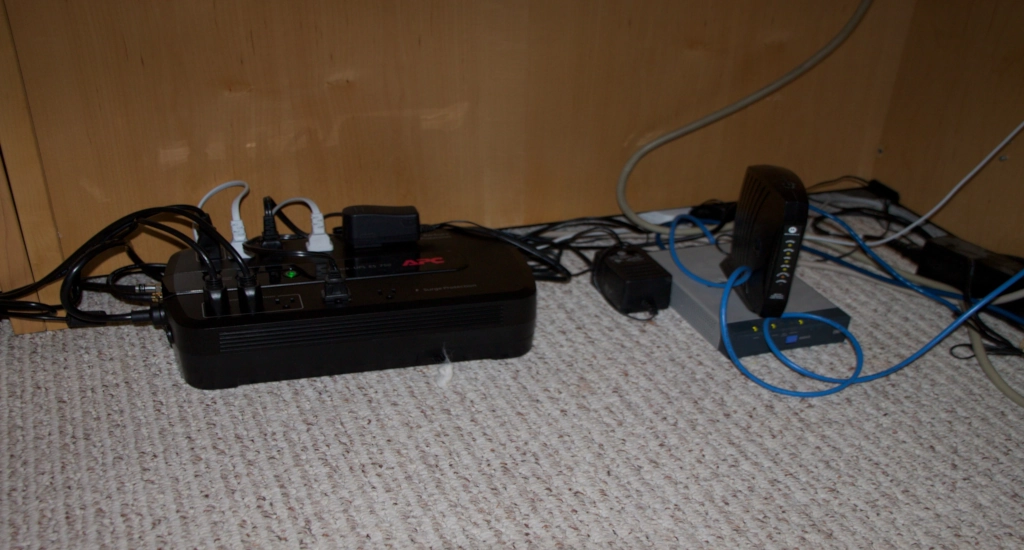
Most people flip on a light switch or open the fridge without thinking about how clean or stable their power is. But distorted electricity—caused by deviations in the normal flow of electrical current—can degrade appliances, reduce efficiency, and in some cases, spark fires.
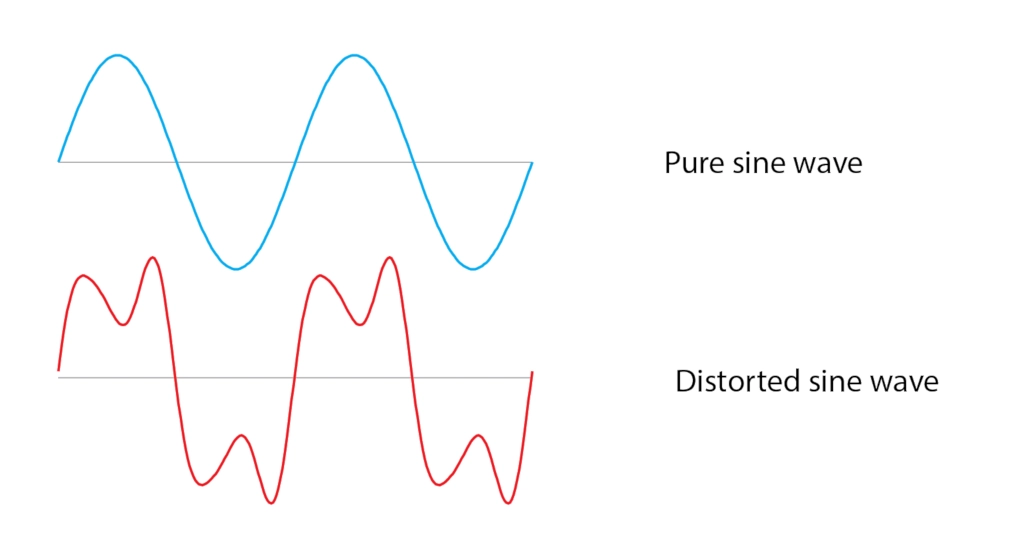
Known as harmonics, these distortions occur when electricity waves deviate from their ideal 60Hz frequency. Think of it like turning a speaker up too loud—what should be a clean tone becomes harsh static. That’s what’s happening in many homes right now, especially those located near major AI-driven data centers.
Data Centers and Distorted Power: A Growing Link
A Bloomberg analysis based on sensor data from Whisker Labs and data center intelligence from DC Byte found that more than three-quarters of the worst power distortions in the U.S. are within 50 miles of large-scale data centers. In some hotspots like Chicago and Northern Virginia’s “data center alley,” these distorted readings regularly exceed the recommended limit of 8%.
- Loudoun County, VA: Home to the world’s largest concentration of data centers, it has a rate of harmonic distortion four times the national average.
- Prince William County, VA: Saw 6% of sensors reporting excessive distortion in 2024 alone.
- Chicago area: More than a third of sensors recorded monthly average harmonic readings above the danger threshold.
What Bad Harmonics Mean for You
The impact of these distortions isn’t theoretical. High harmonic levels can:
- Make refrigerators, air conditioners, and dishwashers run hotter
- Cause motors to rattle or fail prematurely
- Lead to flickering lights, brownouts, and blackouts
- Increase the risk of electrical fires during surges
According to Bob Marshall, CEO of Whisker Labs, “Harmonics are a pretty good canary in the coal mine for early signs of stress and problems.”
And this isn’t limited to big cities. The same trends were observed in rural areas with nearby data center infrastructure. Where major facilities rise, distortion follows.
The Grid Is Not Ready
The U.S. electric grid, like most others, was built decades ago, and was never designed to handle the scale or sudden intensity of modern data centers. These facilities can draw as much power as 10,000 homes, and they’re being built faster than grid upgrades can keep up.
A report from Grid Strategies predicts that U.S. electricity demand will grow by nearly 16% over the next five years, a drastic increase driven mostly by AI and cloud infrastructure. This growth rate is more than three times higher than previous projections.
Hasala Dharmawardena, a senior IEEE member and grid expert, puts it plainly:
“The data center is a very large load. Take your house and increase that by 10,000. That is the difference between your house and a data center.”
What the Data Tells Us
Whisker Labs’ network of over 1 million residential sensors (Ting devices) paints a detailed picture of how distorted power flows into homes. These devices measure total harmonic distortion (THD) at the household level—data that utilities often don’t track or disclose.
Bloomberg’s analysis shows that in areas like York County, VA—more than 80 miles from major data centers—harmonics are well within safe ranges, averaging under 3%. The contrast is stark and consistent: the closer a home is to data center activity, the worse the power quality tends to be.
What Needs to Happen
So far, many utilities, like Exelon’s ComEd in Chicago, have pushed back against the findings, questioning the methodology of home-sensor-based measurements. But independent experts argue the trends are too widespread to ignore.
To prevent future crises, the world must:
- Upgrade the electric grid to handle modern demands
- Implement power-quality monitoring across more regions
- Regulate data center construction in areas with fragile infrastructure
- Invest in better energy storage and grid balancing technologies
The Bigger Picture
What’s unfolding in real-time across the globe is a preview of the energy future shaped by AI. The digital economy doesn’t just live in the cloud—it reaches down into the electrical sockets of our homes.
If the power quality issues go unaddressed, People may be facing not just rising energy bills, but costly appliance damage and increased fire risk. And this is only the beginning. As the race to build AI infrastructure continues, understanding and managing harmonics could be the key to keeping the lights—and servers—on.
Source: Bloomberg
Like my content? Support me with a tip!