

In April 2007, Estonia found itself at the center of a groundbreaking cyber conflict. What began on April 27 as a series of online attacks soon escalated into one of the most widely studied instances of cyber warfare, reshaping how governments and military alliances think about digital security.
What Happened?
Estonian websites—from government institutions like the parliament and ministries to banks, newspapers, and broadcasters—suddenly came under attack. These were not traditional military strikes; rather, they were computer-based assaults. The attackers used methods such as distributed denial-of-service (DDoS) attacks. In simple terms, these attacks overwhelmed websites with excessive traffic, causing them to slow down or crash. Some hackers used simple techniques like “ping floods,” while others rented botnets (large networks of compromised computers) to launch more powerful assaults. Alongside these attacks, the hackers also defaced websites and flooded news portal comment sections with spam.
The Background of the Conflict
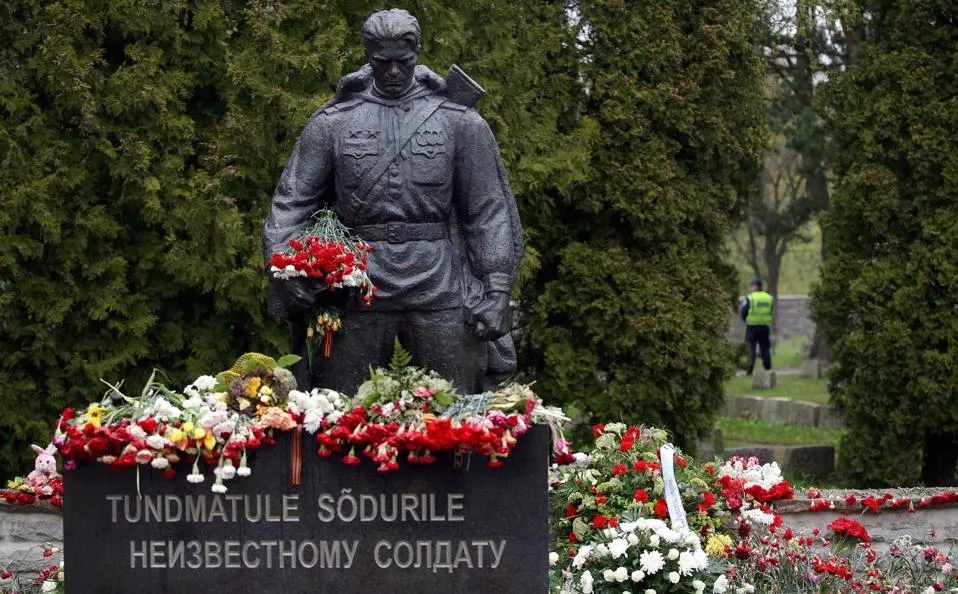
The cyberattacks were tied to a heated local dispute. Estonia was at odds with Russia over the relocation of the Bronze Soldier of Tallinn, a Soviet-era monument, and nearby war graves. This disagreement sparked strong feelings among many, and the digital assaults were seen by some as an extension of that controversy. Interestingly, even online platforms like Wikipedia became battlegrounds, with intense edit wars over the monument’s history and significance.
How Did Estonia and Others Respond?
Estonia’s Reaction:
The Estonian government initially pointed fingers at the Kremlin, accusing it of involvement. However, officials later admitted that there wasn’t clear evidence linking the Russian government directly to the attacks. Despite the uncertainty, Estonia quickly moved to strengthen its cyber defenses. A criminal investigation was launched, and authorities sought cooperation from Russia—a request that was largely denied, making it difficult to track down all those responsible.
NATO Steps In:
The cyberattacks had far-reaching effects beyond Estonia. In response to the incident, NATO examined its own digital vulnerabilities. By October 2007, an internal report led to a new focus on cyber defense, which eventually resulted in the creation of the NATO Cooperative Cyber Defence Centre of Excellence in Tallinn in 2008. This center was established to help allied nations share knowledge and improve their responses to similar cyber threats.
Legal and Investigative Efforts:
Estonia’s legal system treated the cyberattacks as a serious crime. Laws against computer sabotage were invoked, and a formal investigation was opened. Although one ethnic-Russian Estonian national was convicted for a related offense, many attacks still remain shrouded in mystery, partly because some of the perpetrators were located in regions where legal cooperation was limited(Russia).
What Do the Experts Say?
Opinions among cybersecurity experts are varied:
- Some experts believe that the scale and sophistication of the attacks point to the involvement of state-level actors or, at the very least, the tacit approval of powerful entities.
- Others compare the events to a “cyber riot,” suggesting that the attackers were a mix of patriotic individuals and organized groups rather than a single government-directed force.
- Notable voices in the field have observed that while the technical impact of the attacks might not have been as monumental as physical warfare, the political and strategic implications were profound.
A Lasting Impact on Cybersecurity
The 2007 cyberattacks on Estonia changed the landscape of digital defense:
- Global Cyber Policies: The events led to new guidelines on cyber warfare, including the development of the Tallinn Manual, which outlines international laws applicable in the digital realm.
- Enhanced Defense Strategies: Governments and organizations around the world have since increased investments in cyber defense, learning from Estonia’s experience.
- Continued Debate: The incident remains a topic of discussion and study, as experts and military planners analyze what happened and how to prevent similar attacks in the future.
Sources: Wikipedia, ResearchGate
Like my content? Support me with a tip!