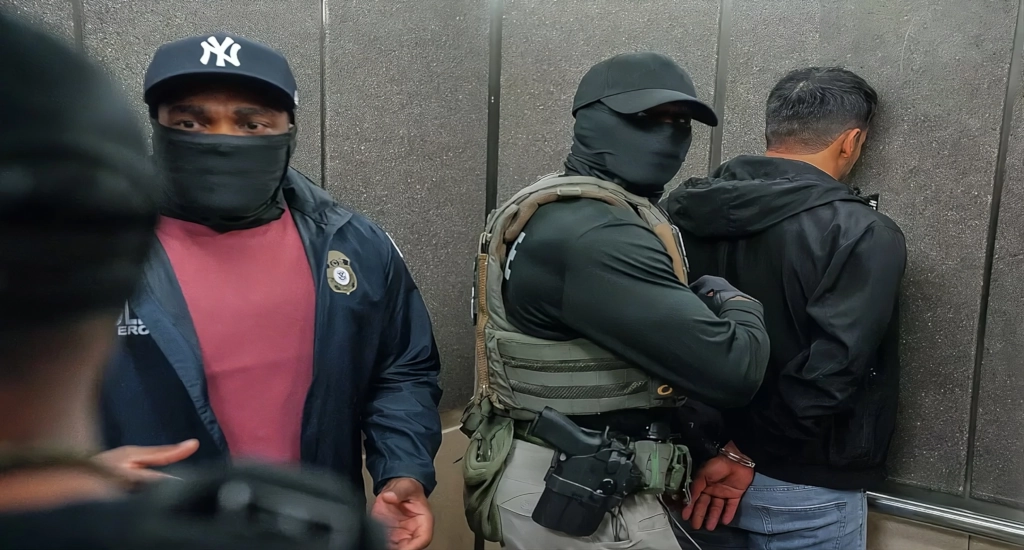
The U.S. Immigration and Customs Enforcement (ICE) agency has sharply increased its use of artificial intelligence and digital-surveillance tools. Documents and reporting show the purchases target undocumented immigrants — and, critics say, political activists.
A costly push in September
Federal procurement records and a Washington Post review show ICE signed roughly $1.4 billion in contracts in September — its largest monthly haul in at least 18 years. Much of the money went to technology products for identification, tracking and device access.
What ICE bought — and what the tools do
Reporting and contract notices name a string of commercial surveillance technologies now in ICE’s toolkit:
- Clearview AI facial-recognition software, for matching photos and video to extensive image databases.
- An iris-scanning smartphone application from BI2 Technologies, intended to let agents confirm identities in the field.
- Graphite, spyware marketed by Paragon Solutions, capable of infiltrating smartphones and extracting messages, photos and location data.
- ImmigrationOS, a Palantir-built platform meant to aggregate data and map immigrants’ movements.
- Skydio X10D drones for aerial filming of operations and demonstrations.
- Data-integration and location tools such as PenLink’s offerings (Tangles, Weblocs), used to cross-reference social-media and other signals.
ICE documents and vendor contracts list these systems as tools to improve identification, build cases and speed removals.
Beyond immigration: monitoring critics and protest networks
ICE officials say their focus includes so-called “anti-ICE extremists” and organizers the agency regards as ringleaders. Acting ICE Director Todd M. Lyons told a national podcast the agency will “track the money” and pursue leaders and organizers. Lyons said specialized investigators will be assigned to those networks.
Civil-liberties advocates and some lawmakers warn those aims risk sweeping in lawful protesters and immigrants with no criminal suspicion. Senator Ron Wyden and privacy groups have urged stronger oversight.
Privacy and misuse concerns
Paragon’s Graphite and similar tools have been controversial. Journalists and advocates say Graphite has been detected on devices belonging to reporters and activists overseas, raising alarms about misuse and weak safeguards. Critics note that spyware and mass-surveillance tools can erode Fourth Amendment protections if deployed without strict limits.
Advocates also point to documented false matches and wrongful arrests tied to facial-recognition systems, and warn that combining biometric identification, device hacks, and large data-fusion platforms multiplies the risk of errors and abuse.
ICE response
An ICE spokesperson said the agency “employs various technologies to investigate criminal activity,” and framed the purchases as part of public-safety responsibilities. ICE maintains the tools are necessary for identification and prosecution of serious crimes.
The rapid acquisition of advanced surveillance tools has prompted calls for congressional oversight and clearer rules limiting domestic spyware and biometrics use. Lawmakers and civil-rights groups say transparency, warrants, and independent review are needed to prevent mission creep.
Source: Olhar Digital
Like my content? Support me with a tip!