
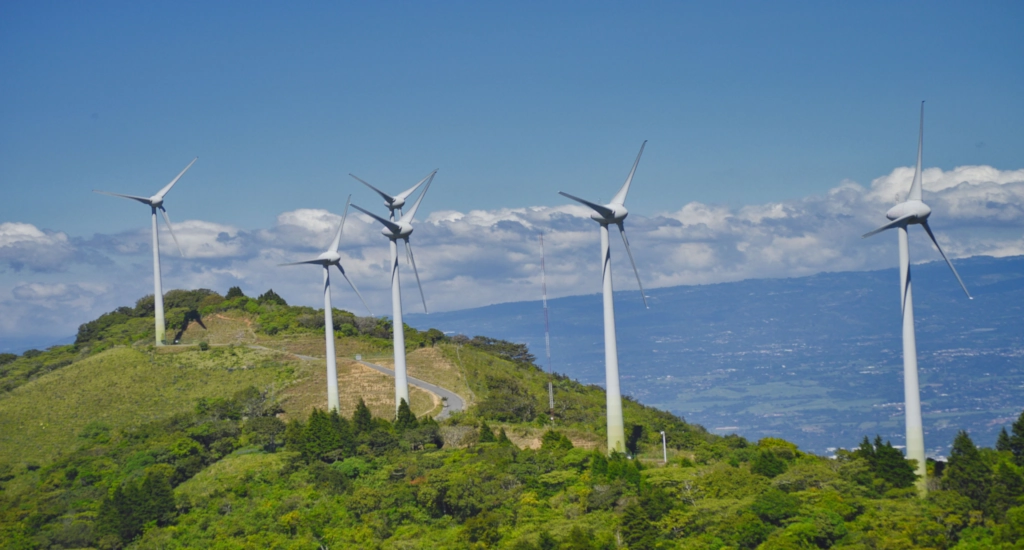
As the world scrambles to decarbonize, while the U.S. heads in the opposite direction, and meet surging electricity needs driven in part by a rapid expansion of artificial intelligence infrastructure, Latin America is quietly becoming a global example of how to shift toward cleaner power — and Brazil is at the forefront.
The region’s electricity system is already cleaner than many expect. Recent analyses show that Latin America and the Caribbean generate well over half of their power from low-carbon and renewable sources, a share that sits well above the global average and outpaces several wealthier regions.
Investment momentum is following the trend. Private and public developers are advancing thousands of renewable projects across the region, with BNamericas tracking more than 1,700 projects and reporting a surge in planned capacity and capital flows as nations race to expand wind, solar, hydropower and green-hydrogen projects.
Brazil models what a high-renewable grid looks like. According to data released by Brazil’s energy authorities and reported in the industry press, roughly 88% of Brazil’s electricity came from renewable sources in 2024 — a figure driven by an already large hydropower base alongside rapidly growing wind and solar capacity. That mix places Brazil among the world’s cleanest national electricity systems.
But the region’s progress is uneven. Mexico, for example, continues to rely heavily on fossil fuels — with roughly three-quarters of its electricity still generated from thermal sources in recent years — highlighting the political and infrastructure challenges that remain for some countries.
A new urgency to clean power
The calculus for faster decarbonization is shifting. Beyond climate aims, practical demand pressures are mounting: high-performance data centers and AI training clusters are expected to drive a sharp rise in electricity use over the coming decade. International Energy Agency analysis warns that AI and related data-center growth could become a major driver of power demand — pushing grid planners to consider both new generation and major upgrades to transmission and distribution.
That combination of climate, industrial demand and investor interest makes the run-up to COP30 — the UN climate summit set for November 10–21, 2025, in Belém, Brazil — particularly important. The conference offers a platform for Latin American countries to codify new energy commitments, secure finance for projects, and push for technology and policy cooperation that could accelerate renewables deployment across the region. The UNFCCC has already opened media accreditation and logistical information for the event.
What’s at stake
Experts say the region can leverage abundant wind and solar resources, existing hydropower capacity, and growing interest in green hydrogen to lock in deeper decarbonization while exporting clean energy and related technology services. But risks remain: financing gaps, grid bottlenecks, social and environmental concerns around large projects, and uneven policy frameworks that in some countries still favor fossil-fuel investment.
For countries such as Mexico, accelerating renewables will depend on reversing recent policy headwinds and unlocking private capital. For Brazil and others that have already made headway, the next phase will test how well grids can integrate variable renewables at scale while meeting rising demand tied to digitalization and electrification.
As delegates, investors and campaigners prepare for COP30 in Belém, Latin America’s experience — a mix of advanced achievement in some countries and unfinished business in others — will be watched closely. If the region can convert its project pipeline and natural advantages into reliable, financeable clean power at scale, it could offer a practical blueprint for balancing growth, energy security and climate ambition in the age of AI.
Source: Olhar digital
Like my content? Support me with a tip!