
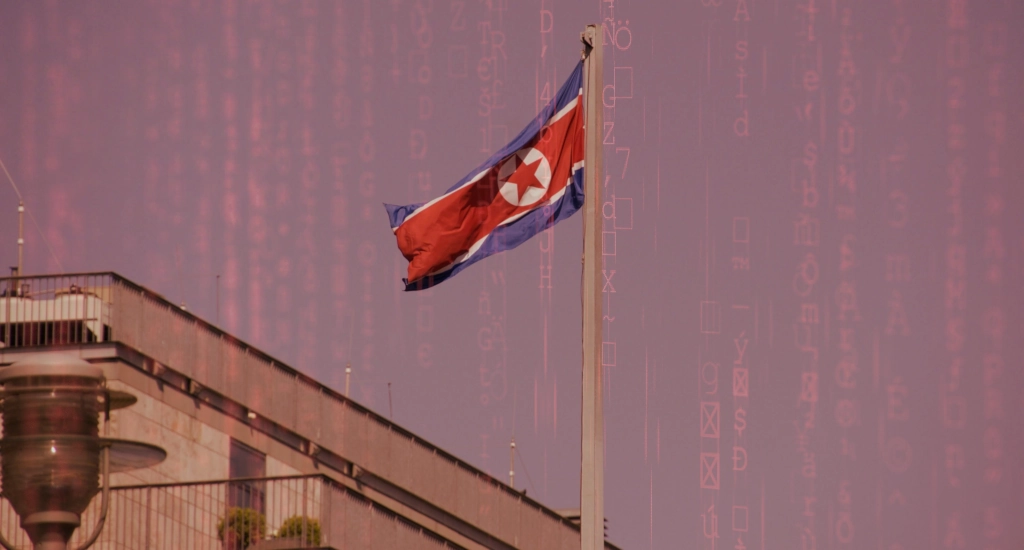
Cybercriminals infiltrated hundreds of companies worldwide, including major corporations, to steal trade secrets and millions in cryptocurrency. The alarming revelations were shared during a cybersecurity conference in the United States, highlighting the increasing sophistication of state-sponsored cyberattacks.
Hackers Masquerading as IT Specialists

Microsoft analysts revealed that the hackers, allegedly linked to the North Korean government, posed as IT professionals. Using fake identities, AI-enhanced photos and voice modifications, and fabricated LinkedIn profiles, they successfully gained trust from recruiters.
Investigations revealed the scammers were hired for remote work positions. They arranged for work-issued laptops to be delivered to U.S. addresses, where accomplices installed malicious software. This software enabled unauthorized access to sensitive company files and data, all while concealing the hackers’ real locations.
One group, named Ruby Sleet, reportedly targeted aerospace and defense firms, accessing proprietary technologies that could improve North Korea’s navigation and weapons systems. In some cases, compromised companies discovered breaches only after months of data exfiltration.
Microsoft noted that hackers from Russia and China also participated in these operations. All implicated nations have denied involvement, but the incidents underline the increasing use of cyberespionage to achieve geopolitical goals.
Cryptocurrency Theft Through Fake Investor Schemes
A parallel scheme, carried out by the group Sapphire Sleet, involved impersonating investors and recruiters to steal cryptocurrency. Victims were lured into virtual meetings where they were instructed to download software for video calls or skill assessments. These programs contained malware that silently infiltrated encrypted cryptocurrency wallets.
Within six months, the group stole $10 million in crypto-assets. However, experts estimate that over the past decade, similar operations have funneled billions of dollars to North Korea. The stolen funds are suspected of financing the country’s nuclear weapons program, a critical element of its international strategy.
Broader Implications and International Responses
These cyberattacks highlight growing vulnerabilities in corporate hiring processes and digital infrastructure. By exploiting remote work trends, attackers bypass traditional security measures.
Microsoft emphasized the need for stronger identity verification systems, particularly for remote roles, and warned companies to scrutinize potential hires more rigorously. Additionally, organizations are urged to implement robust cybersecurity protocols, such as endpoint detection and response systems, to detect unauthorized access attempts.
Law enforcement agencies across the U.S., South Korea, and other nations are now collaborating to track these groups. However, challenges persist due to the cross-border nature of the crimes and the attackers’ sophisticated techniques.
Cybersecurity experts have called for more significant international collaboration to counter state-sponsored hacking campaigns. Enhanced sanctions and cyber defense measures are being discussed to deter such activities and hold responsible parties accountable.
Source: Microsoft, TechCrunch
Like my content? Support me with a tip!