In March 2022, the UN Environment Assembly adopted Resolution UNEA 5/14 mandating the creation of an international legally binding treaty to tackle plastic pollution, covering the full lifecycle of plastics—from design and production through to use and disposal. From 2022 to late 2024, the Intergovernmental Negotiating Committee (INC) held five sessions (INC-1 through INC-5.1) in Punta del Este, Paris, Nairobi, Ottawa, and Busan, aiming to finalize the treaty by end-2024.
Issue of Plastic
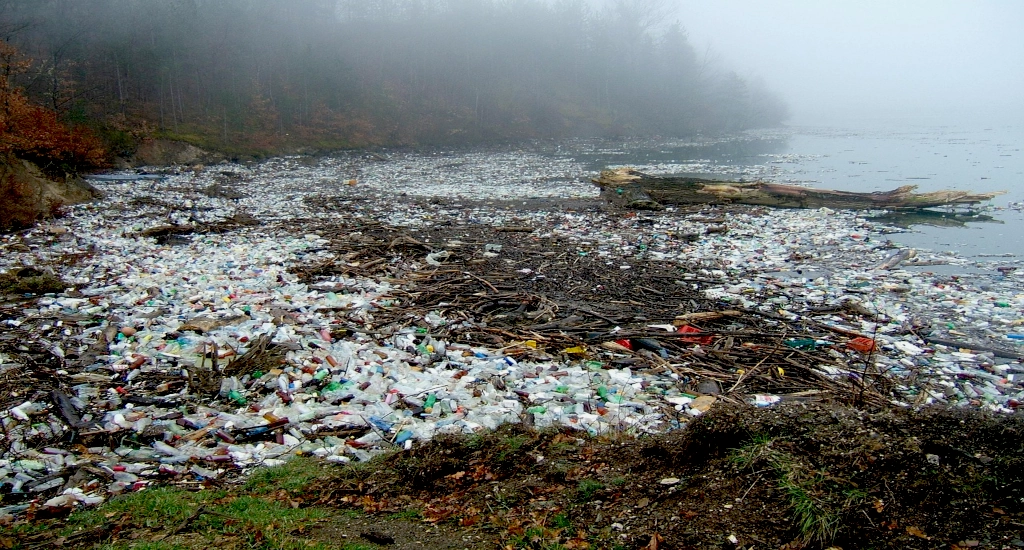
Plastic pollution can cause a wide range of environmental, health, and economic issues:
- Marine Life Impact: Plastic waste in oceans and waterways can harm marine life through ingestion and entanglement. Animals may mistake plastic for food, leading to malnutrition, starvation, and death. Entanglement in plastic debris can also injure or suffocate marine creatures.
- Microplastics: Over time, larger plastic items break down into smaller particles known as microplastics. These tiny particles can enter the food chain, affecting aquatic organisms and eventually humans. The long-term health impacts of microplastic ingestion are still under research but are a growing concern.
- Chemical Contamination: Plastics often contain various additives and chemicals that can leach into the environment, potentially contaminating soil, water, and wildlife. Some of these chemicals, such as bisphenol A (BPA) and certain phthalates, are endocrine disruptors and can have adverse health effects on animals and humans.
- Greenhouse Gas Emissions: The production, transportation, and disposal of plastics contribute to greenhouse gas emissions. Plastics are derived from fossil fuels, and their lifecycle emissions exacerbate climate change.
- Landfill Overload: Non-biodegradable plastic waste can accumulate in landfills, taking up space and potentially releasing toxic substances into the soil and groundwater as they slowly degrade.
- Visual Pollution and Habitat Destruction: Plastic litter can degrade the aesthetic quality of natural environments and harm habitats. It can prevent plants from growing, interfere with the natural landscape, and discourage wildlife and human recreation in affected areas.
- Economic Costs: Plastic pollution incurs economic costs related to cleanup efforts, damage to fisheries, and loss of tourism revenue due to polluted beaches and waterways.
- Human Health Risks: Besides the ingestion of microplastics, humans can be exposed to toxic chemicals from plastics through contaminated food and water. The health effects may include hormonal imbalances, cancer, and other serious illnesses.
- Air Pollution: When plastics are burned, they release toxic fumes and particulate matter into the air, contributing to air pollution and posing health risks to nearby communities.
- Resistance to Antibiotics: Some studies suggest that microplastics in the environment can contribute to the spread of antibiotic-resistant bacteria by providing a surface for bacterial growth and facilitating the exchange of resistance genes.
- Impact on Developing Countries: Developing countries often lack adequate waste management systems, leading to higher levels of plastic pollution. This exacerbates health and environmental issues in these regions and can lead to further economic disparities.
Geneva INC-5.2: The Final Stretch (Aug 5–14, 2025)
Negotiators representing over 170 countries have convened at the Palais des Nations in Geneva from August 5 to 14, 2025, in what is widely considered the final opportunity (INC-5.2) to adopt a robust treaty.
This summit seeks to resolve unresolved issues—most critically whether the treaty will set binding caps on plastic production, regulate toxic chemicals and single-use products, and establish funding mechanisms for implementation in developing countries.
Fault Lines: The Dividing Lines in Negotiations
The Debate Over Scope
- High Ambition Coalition (~106 countries): Advocating mandatory global limits on plastic production, phase-outs of hazardous chemicals, and majority-vote decision-making if consensus fails.
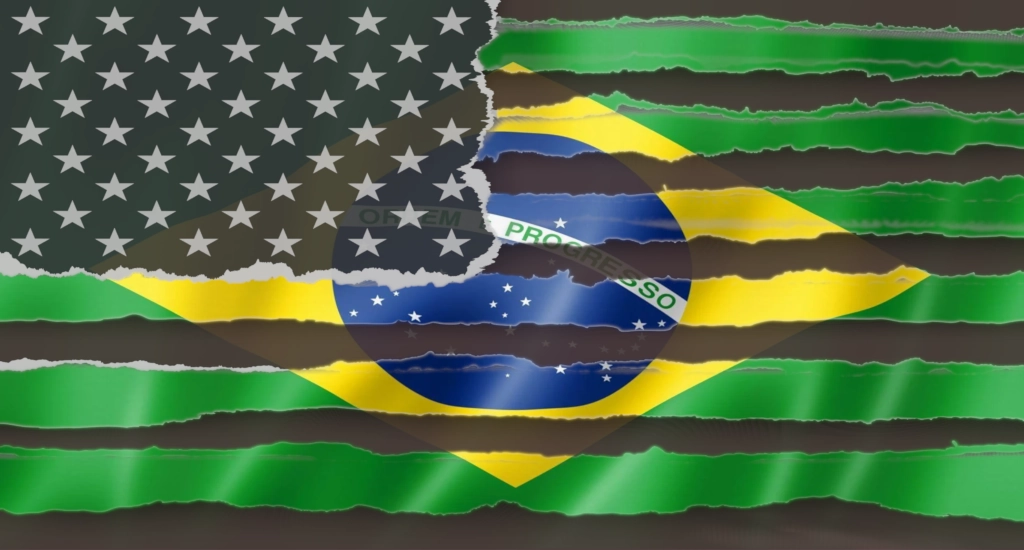
- Opposing Bloc (“like-minded states”): Includes Saudi Arabia, Russia, China, Iran, India, Brazil, and the U.S., pushing for a voluntary, downstream-only treaty focused on waste management and improved recycling.
Procedural Gridlock
Negotiations have operated on consensus rules, allowing any one state to block agreement—thus contributing to persistent stalemates. Although draft rules (Rule 38.1) ostensibly allow a two-thirds majority vote to move forward when consensus isn’t achievable, opponents argue that those rules were never formally adopted. Adoption—or rejection—of this voting mechanism at INC-5.2 could be decisive.
Influence & Obstruction: Industry Lobbying
Industry and petrochemical lobbyists have been a powerful presence throughout negotiations, notably outnumbering scientific and national delegations—especially at INC-5.1 in Busan, where industry actors exceeded those from the EU plus member states combined.
Reports cite harassment, surveillance, and misinformation as tactics used to undermine science-led policymaking. Critics demand conflict-of-interest protections and stricter access limits for corporate lobbyists.
What Happens Next?
Three possible paths have emerged:
- Consensus-Based Agreement: Resulting in a treaty, though potentially weakened by compromise.
- Use of Voting Rules: If consensus fails, a qualified majority vote could adopt a stronger treaty—even over objections.
- Coalition of the Willing: In case of deadlock, more ambitious governments may pursue a parallel treaty outside the UN framework via alternative diplomatic or multilateral mechanisms.
Why It Matters
Plastic production continues to surge: From ~2 million tons in 1950 to over 450 million tons annually in 2025, with projections to triple by 2060. Only ~9 % is recycled. Plastic releases greenhouse gases (~5 % of global emissions), microplastics pollute ecosystems and humans, and harmful chemicals pose health risks—all of which disproportionately affect vulnerable communities.
A binding treaty could shift global norms, spur circular design, harmonize packaging standards, unlock financing for clean-up and transition in developing countries, and change the trajectory of plastic dependency.
Source: Wikipedia, unep, The Guardian
Like my content? Support me with a tip!