

Stellantis has launched the Centro de Desmontagem Veicular Circular AutoPeças in Osasco, São Paulo, marking a significant milestone as the first company in South America to establish industrial facilities specifically for the disassembly of vehicles that have either been involved in accidents or reached the end of their useful life. This initiative is part of Stellantis’s commitment to advancing the principles of a circular economy within the automotive sector.
The core of the Centro’s activities lies in the recycling of automobiles, a process that is fundamentally different from the informal “chop shops” or vehicle dismantling often referred to as “desmanche” in Brazil. The new facility acquires vehicles, including those from other brands, through structured and regulated auctions, ensuring that all parts and materials are disposed of or reused appropriately.
Vehicles that arrive at the center have been categorized as total losses after accidents or are nearing the end of their use cycle. The recycling process begins in a decontamination area where oils and fuels are safely removed. Following decontamination, the vehicles proceed to the disassembly line, where skilled technicians assess the overall condition of the car and its components for potential reuse.
Circular Economy and Parts Remanufacturing
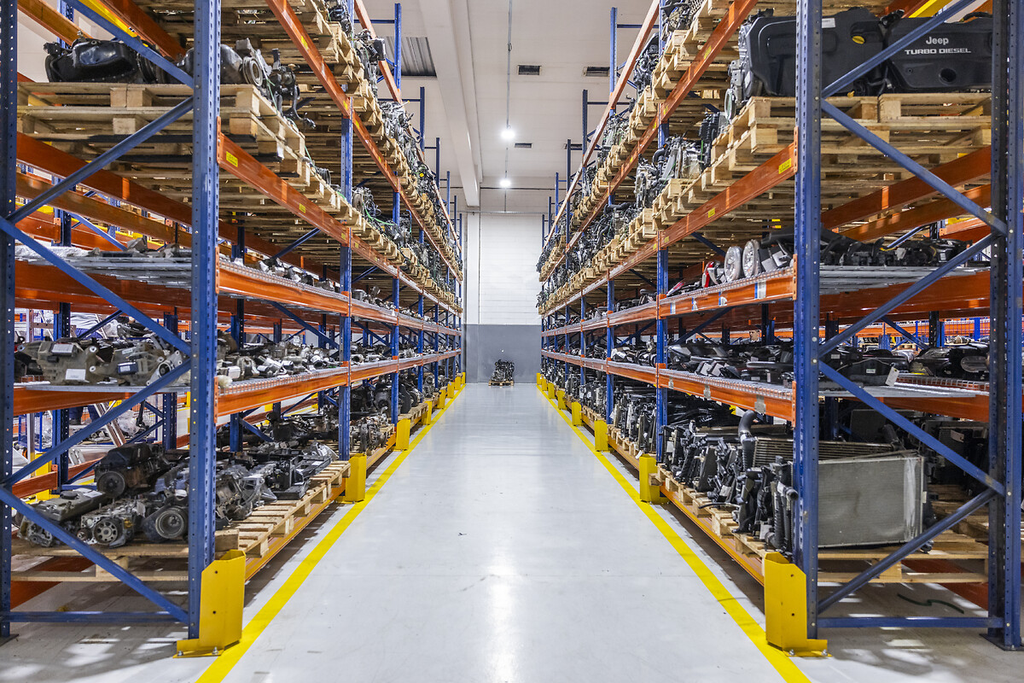
Parts deemed suitable for reuse undergo a cleaning process and are individually tagged with specific data, such as market value and a tracking label provided by the Detran, Brazil’s Department of Motor Vehicles. Each vehicle processed is associated with a disassembly certificate issued by an approved supplier. Beyond regulatory requirements, Stellantis employs a proprietary coding and quality control system to ensure process standardization.
Alexandre Aquino, Vice President of Circular Economy at Stellantis for South America, highlighted the company’s vision in an interview with CT Auto. “We have the opportunity to transform this scenario, to create an ecosystem, and that’s what we want: an efficient, scalable, secure, and most importantly, profitable circular ecosystem,” Aquino stated.
Stellantis is focusing on the production of remanufacturable parts, which are parts replaced under warranty that return to the manufacturer. The company then collaborates with suppliers to analyze these parts, aiming to understand why they failed and to recover them through remanufacturing. This process involves disassembling the component, replacing necessary parts, and reusing the original casing.
The Value of Existing Parts
Aquino emphasized that by studying and discussing the failure of a part, what was once destined for recycling can be given new life, extending its lifecycle and saving significant amounts of raw materials and carbon emissions. “This piece, at the end of this study and discussion process, was a discarded piece, one that would have gone for recycling. But we manage to extract more value from it and extend its life cycle. The most sustainable part is the one that already exists,” he added.
The new recycling center operates in conjunction with Stellantis’s reconditioning and remanufacturing centers. The brand’s strategy is to create an efficient circular economy ecosystem in Brazil that not only serves the local market but also supports global efforts for the decarbonization of the automotive industry by offering sustainable solutions.
Through these integrated activities, Stellantis is setting a new standard for vehicle recycling in Brazil, demonstrating how a well-structured approach can contribute to environmental sustainability while maintaining economic viability. The company’s pioneering efforts are expected to influence the industry and encourage other manufacturers to adopt similar practices, fostering a culture of circularity and reducing the environmental footprint of automotive production and disposal.
Source: Canal Tech
Like my content? Support me with a tip!