The international community has taken a significant step towards preserving the lifeblood of our planet with the approval of a landmark treaty aimed at protecting the oceans. These vast bodies…
Genetically modified organisms, or GMOs, are plants or animals whose DNA scientists have changed. This change gives the organism a new trait, such as resistance to an insect or better…
Brazilian scientists unveiled groundbreaking research that could revolutionize the treatment of spinal cord injuries. The initiative, spearheaded over 25 years by Professor Tatiana Coelho de Sampaio from the Federal University…
For decades, the burden of contraception has fallen primarily on women. From pills and IUDs to implants and injections, the options have always revolved around the female body. But this…
Scientists at University College London (UCL) and Moorfields Eye Hospital have developed a new gene therapy that helps babies born with severe blindness see better. The treatment was tested on…
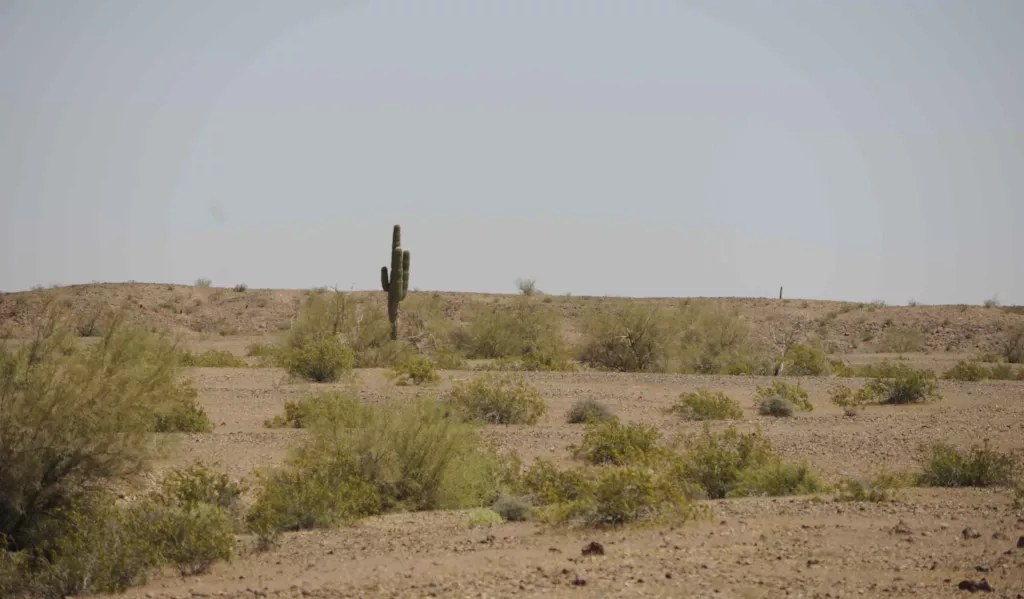
In Senegal, Ecosia works with local communities to restore the desert. The land restoration project includes mapping the land, planting trees, and protecting the trees from climate change and industrial…
In a move that combines cutting-edge technology with biological ingenuity, Australian researchers from the World Mosquito Program (WMP) have begun employing drones to introduce a unique cargo into Fiji's skies—mosquitoes…
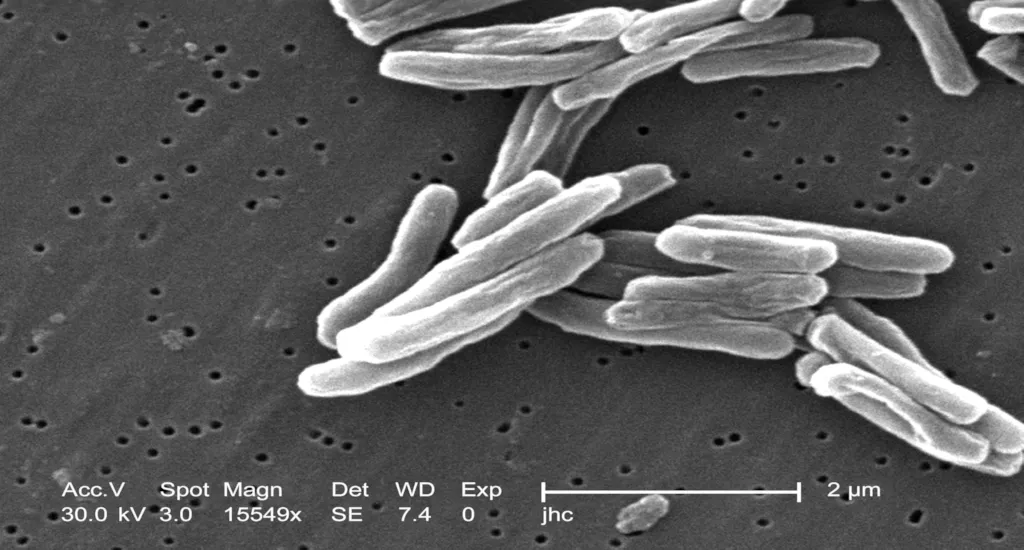
Tuberculosis (TB) is a devastating disease that has plagued humanity for millions of years. Caused by the bacterium Mycobacterium tuberculosis, TB spreads through the air when an infected person coughs…
Melanoma, the most deadly form of skin cancer, claims 75% of lives in this category, as per Instituto Vencer o Câncer. Annually, it affects around 9,000 Brazilians and over 130,000…
A groundbreaking study published in the journal Microbiome has captured the interest of the scientific community. The research unveils that Enterobacter bugandensis bacteria, which can cause infections in humans, have…