
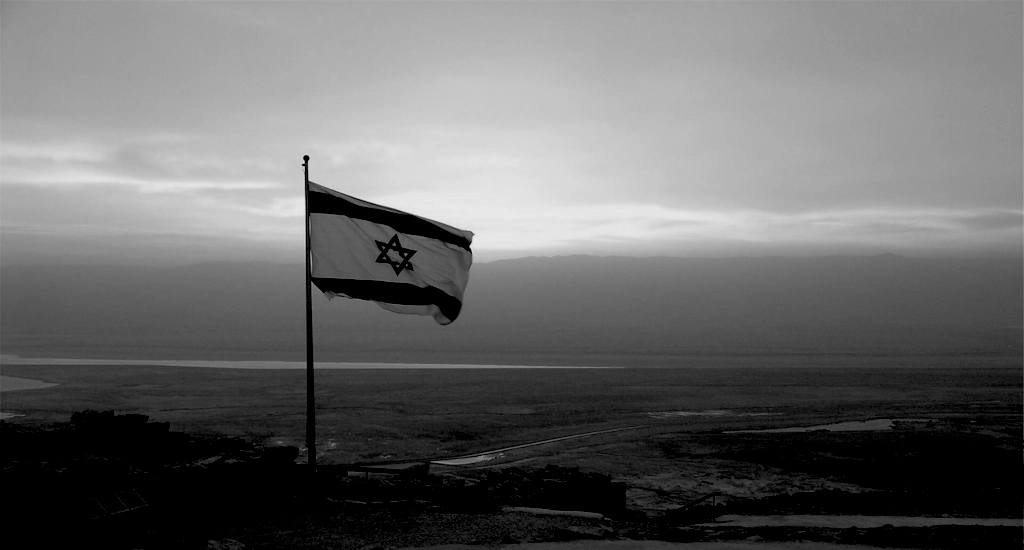
Amnesty International, after an extensive investigation, concluded that Israel’s 2023–2025 offensive in Gaza meets the legal threshold of genocide. Human Rights Watch has likewise documented patterns amounting to extermination and acts consistent with genocide.
UN independent experts and human-rights bodies have warned governments that the destruction in Gaza risks becoming genocide unless urgently halted.
The facts on the ground
Since the Hamas attacks of 7 October 2023 and the massive Israeli military response, Gaza has been transformed into a humanitarian catastrophe. More than 60,000 Palestinians, 17,000 of which were children, have been reported killed in Gaza, and millions have been displaced.
Healthcare systems are collapsing. Food, clean water, power and medicines are either blocked or severely restricted. Aid convoys face bureaucratic and security obstacles that prevent lifesaving supplies from reaching large parts of the population.
Israel Censorship
There’s clear, documented censorship and tight message-control in Israel during the Gaza invasion—but it’s not total, and critical Israeli outlets still publish, but the system structurally narrows what Israelis (and foreign audiences inside Israel) can see.
- Military censor: Blocked or redacted thousands of articles since 2023, with Haaretz even printing blacked-out sections to show censorship.
- Foreign media ban: Journalists barred from Gaza unless escorted; Al Jazeera shut down under a new law; AP live feed seized (later restored).
- Crackdown on dissent: Dozens of Arab Israelis arrested or investigated for social posts; strong chilling effect on speech.
- Pressure on outlets: Government threatened to cut ads to Haaretz for its critical coverage.
- Journalists targeted: Over 180 Palestinian reporters killed, while foreign reporters remain barred, leaving Israel’s version dominant.
Why “genocide”
Legal experts and major rights organizations do not use that term lightly. Their findings point to a pattern: mass civilian deaths, deliberate attacks on civilian infrastructure, forced displacement, and policies that systematically deprive populations of the means to survive. Those elements are central to how genocide is defined under international law — when combined with evidence about intent, the picture becomes alarming.
The international response (and its limits)
Countries and international bodies have issued urgent warnings, demanded humanitarian access, and in some cases sought legal remedies. The International Court of Justice has issued provisional measures in a case brought by South Africa, signaling serious international legal concern about Israel’s obligations under the Genocide Convention. Yet implementation and enforcement remain weak.
What criticism of Israel’s conduct means — and what it should lead to
Criticism of a state’s actions is not hatred of a people. Pointing to illegal conduct and calling for accountability is part of the international rule-of-law system. The relevant demands are straightforward:
- An immediate, verifiable ceasefire to stop the killing and destruction.
- Unfettered humanitarian access, with crossings and delivery chains guaranteed by neutral international monitors.
- Independent investigations into alleged war crimes and crimes against humanity, with pathways to accountability through international courts or independent tribunals.
- A political process that protects civilians and addresses the long-term injustices fueling the cycle of violence.
Horrors

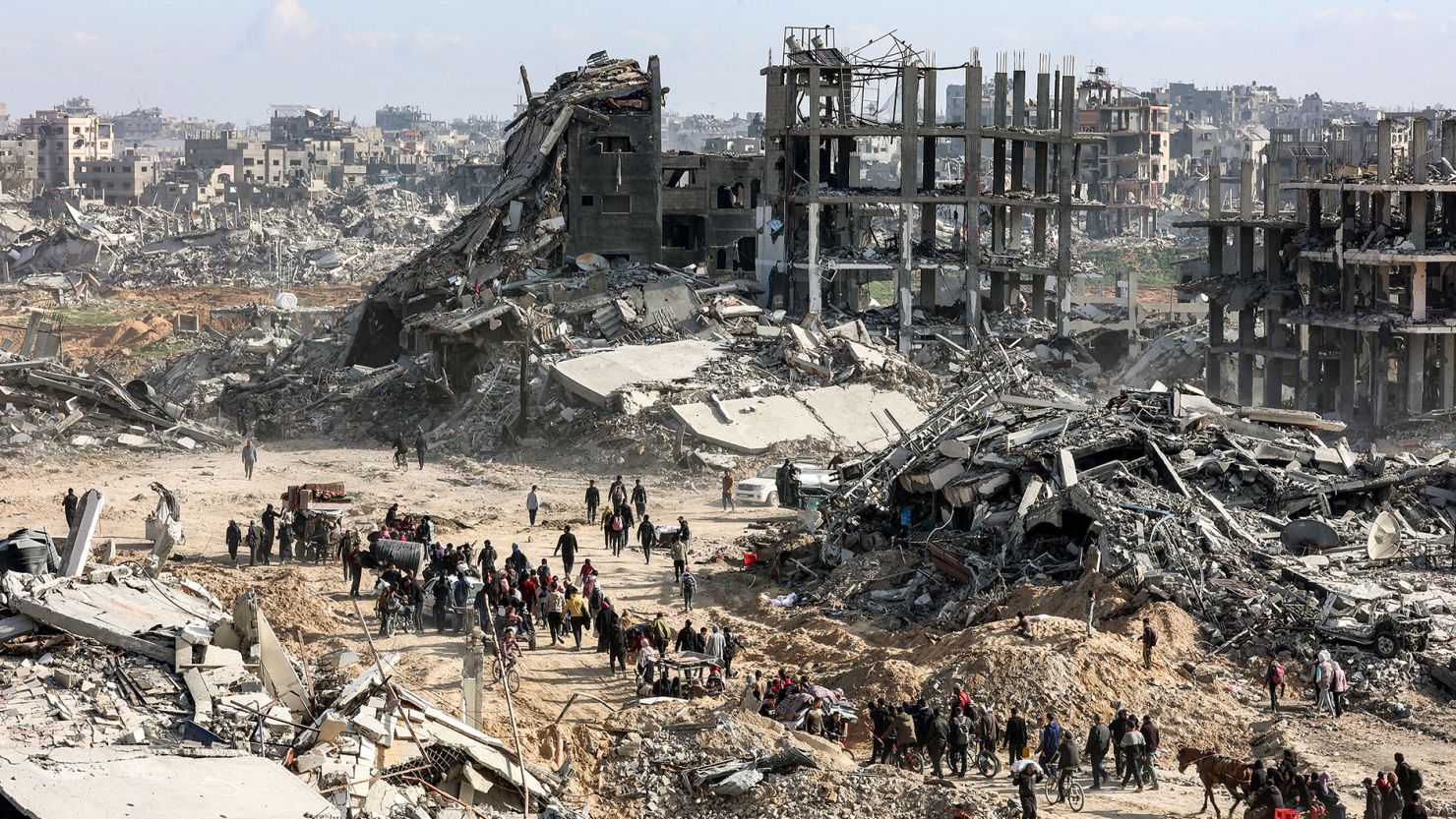
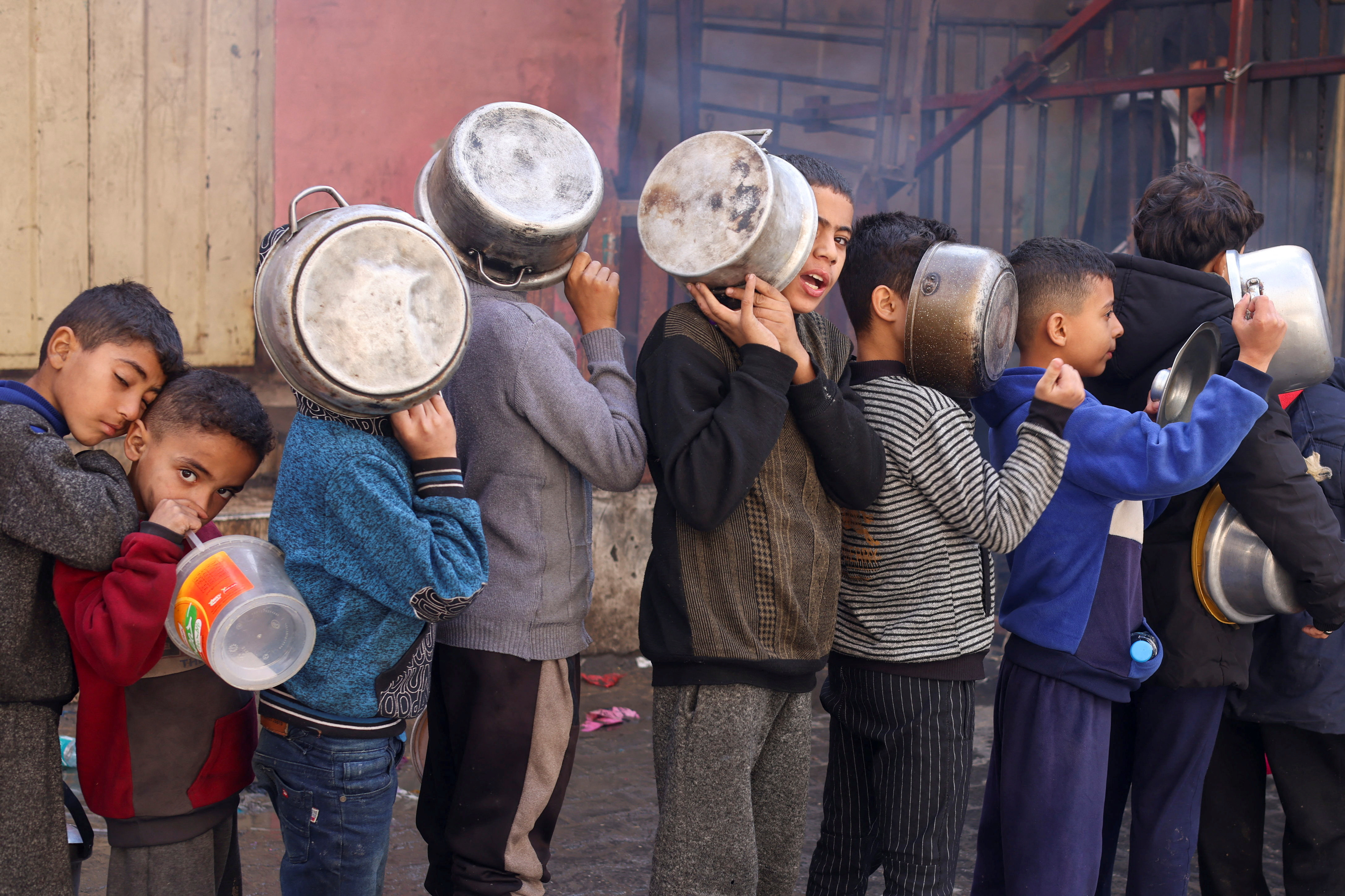
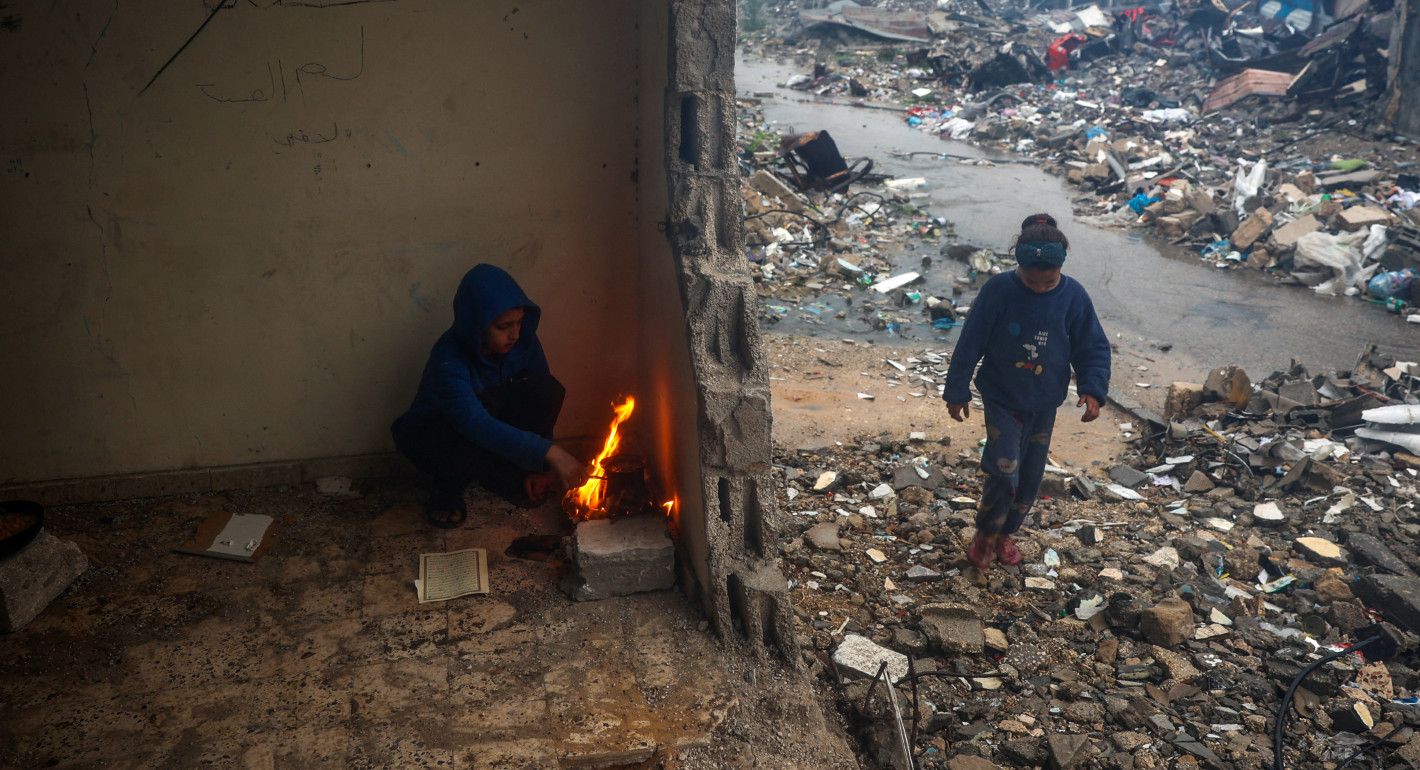
Source: UN, Wikipedia, HRW, AP, The Guardian
Like my content? Support me with a tip!