In 2025, everyone and everything is after your data. From american/russian/chinese feds, to every single company, and their endless A.I. every big player wishes to collect your information, be it for social scores, spying on you, selling your information for ads or even hackers trying to act as if they were you.
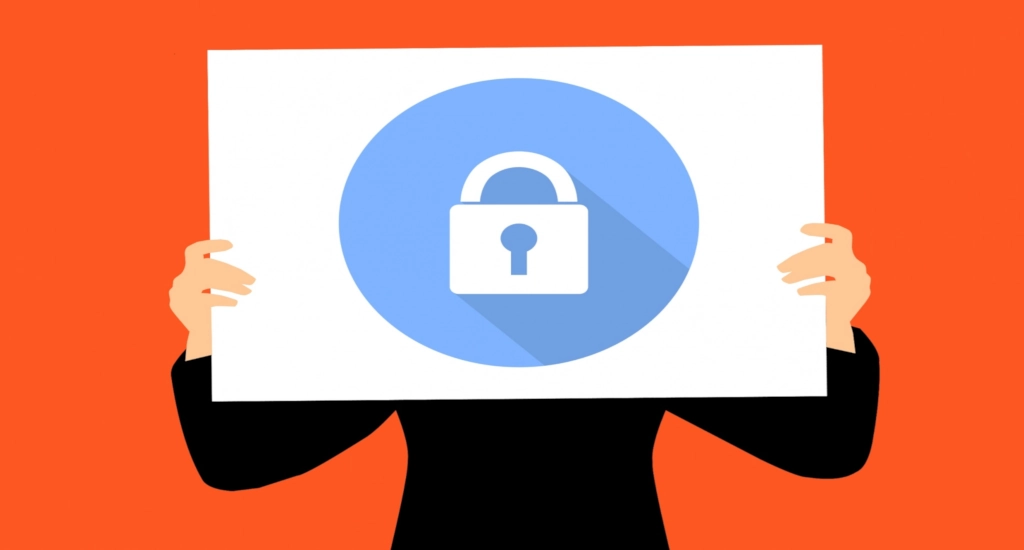
For your own safety, and to keep weird billionaires from knowing too much about you, privacy is an important thing to keep in mind. However, since the online privacy fight was mostly lost years ago(thank you, google), how can you even do that anymore?
There are ways
- Use a better browser: Google/Microsoft will always collect and sell your data, It’s how they make money. Don’t use google chrome, opera, edge or similar browsers. Give preference to alternatives like Firefox, Librewolf, Waterfox and Brave.
- Use Adblockers/Track Blockers: Most if not all websites do some data collection, directly or through ad scripts in their own pages. Use adblockers(like ublock) AND track blockers(such as Privacy Badger)
- Change your Search Engine: Again, google/bing WILL collect/sell your data for ads. Use something better: Ecosia, Brave Search, QWant, Mojeek, Startpage, etc
- Better O.S.: Windows, specially Windows 11, collect a ridiculous amount of data about you for ads, which they shove even in the start menu. Move to something better like Linux mint or Bazzite.
- Safer E-mail: Google, Microsoft, etc all read your e-mails to sell you ads. Self hosting or using alternatives like Proton E-mail is better.
- Messaging: Discord, Telegram, Whatsapp, etc all watch, leak and sell your information when not your very messages. The best privacy focused alternative is Matrix, followed by Signal.
- Never use public Wi-Fi: They’re dangerous, likely to track you and overall not worth it.
- Don’t share more than you need: Never share personal information publicly more than needed. Public profiles on twitter, bluesky, etc don’t need to have photos of your face/body, nor information about where you live.
- Strip files of Metadata: Almost all files you might want to share(images, videos, text, etc) have metadata, which tells everyone information about you/your machine. Remove all of it before sharing.
- Secure your devices: Encrypt folders with personal information/your whole system, so that if its stolen, your information still is secure.
- DON’T buy smart devices. You don’t need a smart bed, nor smart doors, or smart fridges. Everything connected to the internet can be hacked and, by default, tends to spy on you. Even roombas connected to the internet.
- Use a VPN: Specially when going outside, a VPN can help keeping your privacy. A good example is NordVPN.
- Use temporary e-mails: Any time you need to make an account, but you don’t want to use google/microsoft/facebook/twitter to login, and it’s not something you care/want to share information with, use a temporary e-mail service.
- Use fake information on all accounts: Whenever you can get away with it, use fake information for accounts. Dont use your real name, location, date of birth, etc for google, microsoft, facebook, apple, etc unless you literally can’t make an account without it and you absolutely need the service.
With these steps alone, you should never again get ads that, for some reason, know you were interested in buying clothes from a certain brand. When server breaches happen, your information will be more likely to be safe, as either you didn’t share anything with that company or shared false information that can’t be used agains’t you.
Like my content? Support me with a tip!