
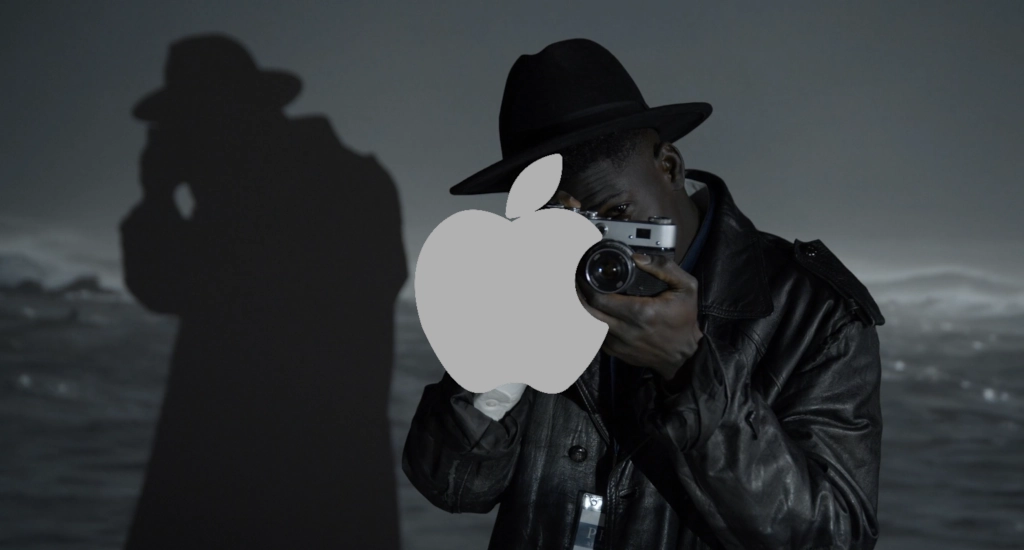
Security officials in the United Kingdom have reportedly ordered Apple to build a “back door” into its encrypted iCloud storage, giving U.K. authorities access to data from any Apple user worldwide. The order, issued under the Investigatory Powers Act of 2016—often called the “Snoopers’ Charter” by its critics—requires Apple to unlock fully encrypted data, not just to help with a specific account.
The technical capability notice, as the order is called, was served to Apple by the Home Secretary’s office last month. Sources familiar with the matter say that the request is unusually broad compared to similar demands in other major democracies. If Apple were to comply, it would have to create a way for U.K. law enforcement to see all the data stored with its Advanced Data Protection feature—a service that provides end-to-end encryption for iCloud backups and has been available since 2022.
Apple’s Difficult Choice
Instead of breaking the security promises it has made to users, Apple may choose to stop offering encrypted storage in the U.K. entirely. However, this option would not resolve the government’s demand for access to data from users in other countries, such as the United States. In March, when the issue was first raised, Apple warned Parliament that the U.K. government should not decide for citizens around the world whether they can enjoy the benefits of end-to-end encryption.
Apple can challenge the order by appealing to a secret technical panel and, eventually, to a judge. However, the law does not allow the company to delay compliance while these appeals are considered. An Apple spokesperson declined to comment on the new developments.
Legal and Global Implications
Under the Investigatory Powers Act, it is a criminal offense for anyone to reveal that the U.K. government has made such a demand. This strict secrecy adds pressure on both Apple and the government to resolve the issue quietly. Senior national security officials in the Biden administration have been tracking the matter closely, though there has been no public statement from U.S. officials about their position on the U.K. demand.
Privacy experts and technology consultants have expressed concern. “It’s shocking that the U.K. government is demanding Apple’s help to spy on non-British users without their governments’ knowledge,” said one advisor on encryption matters. Critics argue that any back door created to satisfy the demand could weaken security for everyone, opening the door to misuse by criminals and authoritarian regimes.
The Wider Impact on Technology
The controversy isn’t limited to Apple. Other major tech companies, such as Google and Meta, also offer encrypted backup services. For example, Android phones have had encrypted backups by default since 2018, and WhatsApp uses strong encryption for its messages. Google has stated that it cannot access Android’s end-to-end encrypted backup data even when ordered by a court. Meta, too, has promised that it will not implement any back doors in its systems.
Law enforcement agencies argue that strong encryption makes it harder to investigate serious crimes, such as terrorism and child abuse. They believe that encryption can hide criminal activities. However, technology companies and privacy advocates insist that back doors compromise the security of all users, potentially exposing personal data to hackers or repressive governments.
A Battle Over Privacy
Apple has long defended its strong encryption policies as a core part of its commitment to user privacy. In 2016, the company famously resisted a U.S. government order to unlock an iPhone belonging to a deceased terrorist in San Bernardino, California. More recently, Apple dropped plans to scan user devices for illegal content after facing criticism from privacy advocates and security experts.
The current U.K. order intensifies the ongoing global debate over the balance between national security and personal privacy. If the U.K. succeeds in forcing Apple to build a back door, other countries might follow suit, potentially prompting tech companies to remove secure encryption features from their products worldwide. This could leave users more vulnerable to cyberattacks and unauthorized surveillance.
Looking Ahead
The fight over encryption is far from new, but the U.K. order represents one of the most sweeping attempts yet to override strong encryption in digital communications. As Apple faces a tough decision—either compromising on its promise to protect user data or pulling its advanced security features from the U.K.—the outcome of this dispute may set a precedent for how governments and tech companies handle encryption around the globe.
For now, the world is watching closely as Apple and the U.K. government square off in a battle that could reshape the future of digital privacy and security.
Source: Washington Post
Like my content? Support me with a tip!