
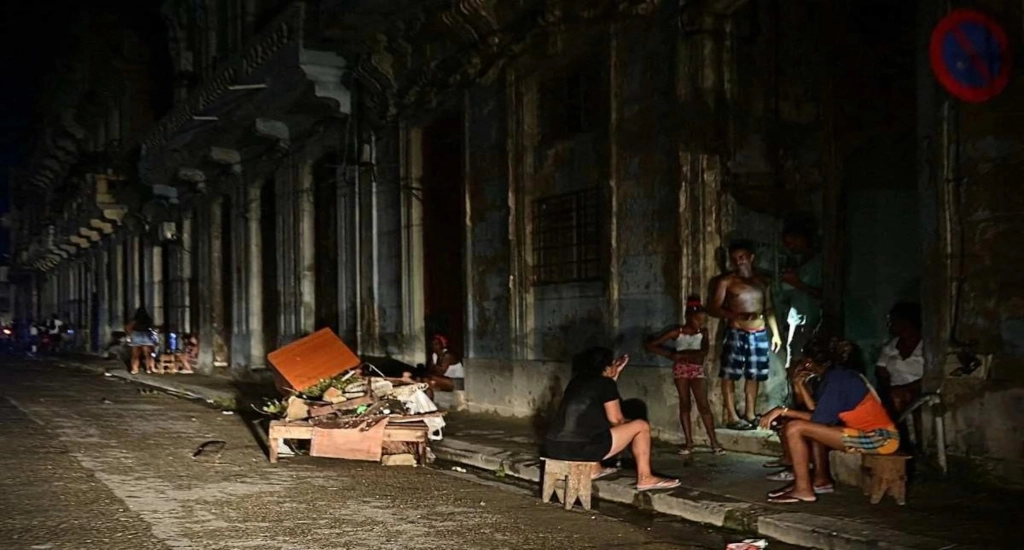
The United Nations’ top official in Cuba warned recently that the island nation is facing a deepening humanitarian crisis, with shortages of fuel and electricity threatening the lives of ordinary Cubans. Speaking via video link from Havana to reporters at the UN headquarters in New York, Resident Coordinator Mr. Pichón said the situation poses “acute humanitarian risks” and could lead to “real suffering” for vulnerable communities.
Cuba, which relies on oil for over 90% of its energy needs, has been hit by a series of “multiple shocks,” including Hurricane Melissa in October, which affected more than 2.2 million people. But the most immediate threat stems from a tightening U.S. oil blockade, which has left the country without oil for months and led to the recent collapse of the national electrical grid.
Hospitals in Darkness, Patients at Risk
With daily blackouts lasting up to eight hours, hospitals are struggling to keep essential services running. The Institute of Hematology and Immunology in Havana, one of the island’s top medical facilities, has had to cut laboratory operations from five to two days a week to save fuel. Doctors are pooling leftover medication doses to ensure no patient is left without treatment, and some staff are walking 20 miles to reach work.
Patients with chronic illnesses, including thousands of cancer patients and over 32,000 pregnant women, are at increasing risk. “The risk to people’s lives is not rhetorical,” Mr. Pichón said. “Those who suffer first and suffer most are ordinary people, especially the most vulnerable.”
Water, Food, and Medicine Shortages
Nearly one million Cubans depend on tanker trucks for drinking water, and 84% of the country’s water pumping equipment is electricity-dependent. Food supply chains are disrupted, and social protection programs, including school and elder care services, are under strain.
“With the grid down, refrigeration is unavailable. Food is rotting, and medicine is spoiling,” said a doctor at the Institute of Hematology. “We’ve been lucky not to lose patients yet, but we fear for the future,” she added.
U.S. Pressure and Political Ambitions
Analysts say the crisis has been exacerbated by U.S. policies aimed at pressuring the Cuban government. Since President Donald Trump reimposed harsh sanctions and choked off oil supplies, Cuba’s economy has spiraled. The U.S. is reportedly seeking the ouster of President Miguel Díaz-Canel and the installation of a more compliant leader, even if that means leaving the existing power structure largely intact under a new figurehead.
Trump, speaking from the Oval Office, recently suggested he expects to “take” Cuba “in some form” and that he “can do anything I want” with it.
Humanitarian Appeals Ignored
UN officials and medical staff say the U.S. could end the crisis overnight by allowing humanitarian oil and aid to reach the island. “Our capacities would be constrained unless there is a humanitarian carve out for oil and aid,” Mr. Pichón said.
But for now, ordinary Cubans are left to endure a crisis that many fear could lead to mass suffering and death, just 90 miles off the coast of Florida.
Only the U.S. and Israel Oppose Ending Sanctions on Cuba
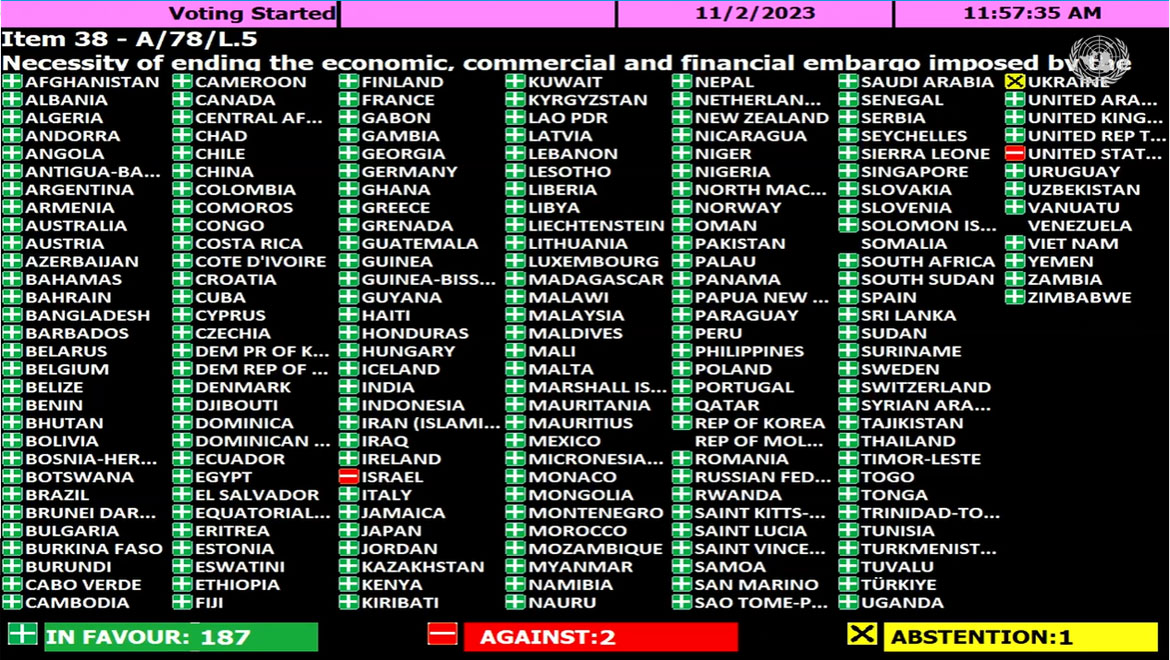
For more than three decades, the United States has stood almost completely alone in its opposition to international calls for the end of the economic embargo against Cuba. Each year, the United Nations General Assembly votes on a resolution urging the U.S. to lift its sanctions, and with only rare exceptions, the vote has been a near-unanimous condemnation of the blockade.
In the most recent vote, 187 countries supported the resolution calling for an end to the embargo, while only the United States and Israel voted against it. This pattern has repeated itself for 32 consecutive years, making the U.S. and Israel the only nations to consistently oppose the global consensus on the issue.
“The people of Cuba are dying,” said one observer. “And the United States is watching.”
Sources: Yahoo! News, NBC, UN, UN
Like my content? Support me with a tip!