
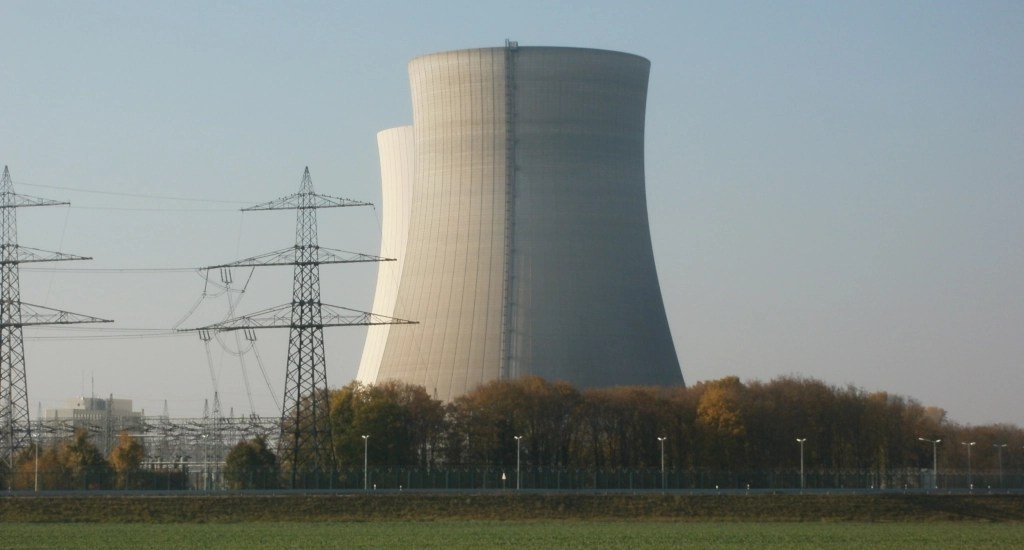
Uranium enrichment is a pivotal process for the production of both nuclear energy and weapons. This activity is also at the heart of intense geopolitical debates, such as those surrounding the Iranian nuclear program.
Understanding Uranium Isotopes
Uranium is a chemical element found in nature in various forms known as isotopes—atoms of the same element with different masses in their nuclei. The isotope U-235 is essential for nuclear power generation, but it constitutes only about 0.71% of naturally occurring uranium ore.
Why Uranium Needs to Be Enriched
In addition to U-235, natural uranium includes a blend of two other isotopes: U-234 and U-238. Among these, U-238 is the most prevalent, accounting for roughly 99.3% of the element. To be used in nuclear reactors or weapons, the concentration of U-235 must be increased. This procedure, known as enrichment, raises the isotope levels according to the intended application.
The Ultracentrifugation Method
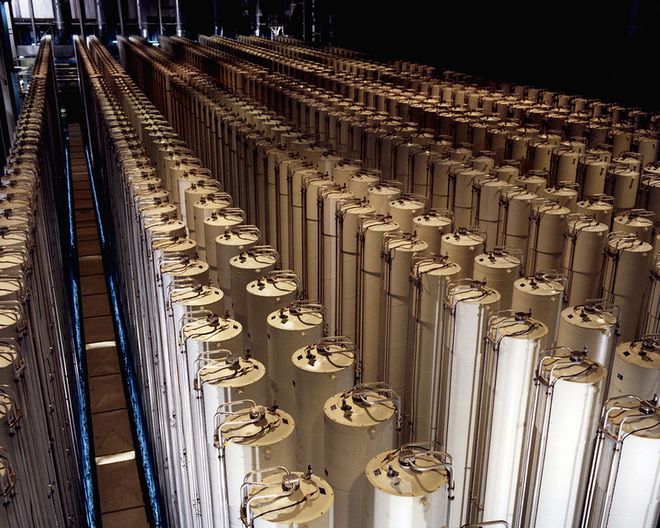
The most cost-effective and widely used method for uranium enrichment today is ultracentrifugation. In this process, uranium is converted into uranium hexafluoride gas (UF6) and fed into centrifuges that spin at speeds exceeding 50,000 rotations per minute. The heavier molecules, associated with U-238, are pushed to the outer edge of the centrifuge, while the lighter molecules, pertaining to U-235, remain closer to the center.
To achieve the desired level of purity, multiple centrifuges are connected in series, forming a “cascade.” The gas passes through these stages repeatedly, becoming progressively enriched until it reaches the appropriate concentrations.
For use in nuclear power plants, uranium is typically enriched to about 3%, which is sufficient to sustain a controlled fission reaction. Submarine reactors require a higher enrichment, around 20%. Nuclear weapons, on the other hand, demand concentrations above 90%.
Security and Monitoring
Uranium enrichment facilities are subject to stringent monitoring due to the risk of diversion for military purposes. The International Atomic Energy Agency (IAEA) is primarily responsible for inspecting these units and ensuring that nuclear material is used peacefully.
Denial of access to inspectors, concealment of data, or production outside established norms can trigger diplomatic alerts, international sanctions, and crises between nations.
Countries with nuclear programs must adhere to guidelines outlined in international agreements, such as the Treaty on the Non-Proliferation of Nuclear Weapons (NPT), which aims to prevent the spread of atomic weapons. The treaty sets forth technical guidelines and legal obligations to ensure the safe and transparent use of enriched material.
Uranium Enrichment in Brazil
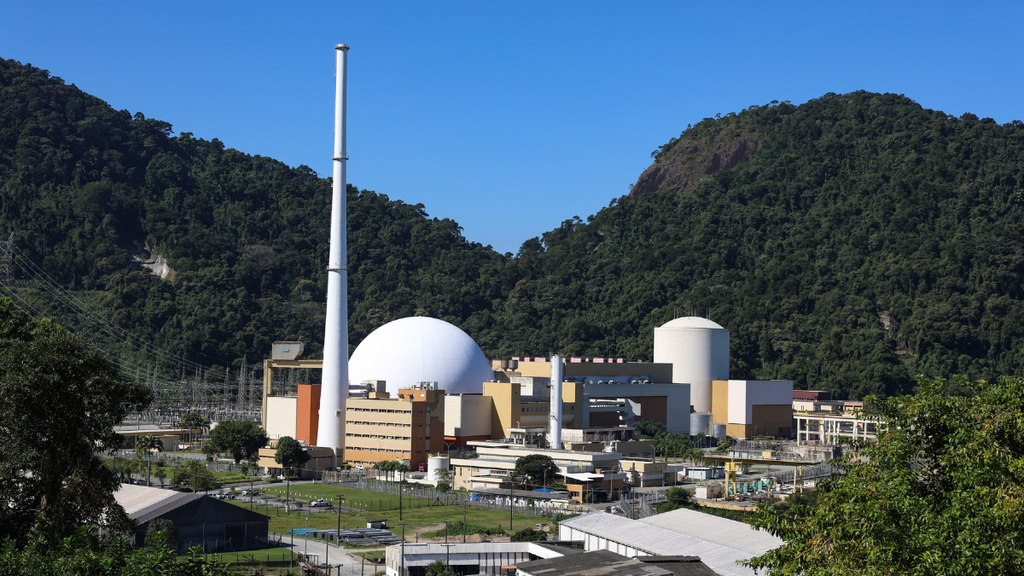
The Uranium Isotopic Enrichment Plant located in Resende, Rio de Janeiro, is responsible for Brazil’s uranium enrichment process. The facility features 10 cascades of centrifuges and produces uranium enriched up to 5%.
The conversion of enriched uranium into nuclear fuel is carried out by the state-owned company Indústrias Nucleares do Brasil (INB), which then supplies the material to the Almirante Álvaro Alberto Nuclear Power Plant in Angra dos Reis, Rio de Janeiro.
Currently, the fuel meets 70% of the needs of the Angra 1 Nuclear Power Plant. With the planned completion of an additional 30 cascades by 2033, Brazil is expected to achieve self-sufficiency in uranium enrichment, fully supplying the Angra 1, Angra 2, and eventually Angra 3 power plants.
Brazilian Constitutional Monopoly
According to Article 21, item XXIII, of the Brazilian Federal Constitution of 1988, the exploration of uranium in Brazil is a monopoly of the federal government. This means that only INB is authorized to conduct research, enrich, and trade uranium within the national territory.
The constitutional text emphasizes:
“It is the responsibility of the Union to exploit services and nuclear installations of any nature and to exercise state monopoly over the research, mining, enrichment and reprocessing, industrialization, and commerce of nuclear minerals and their derivatives, adhering to the following principles and conditions.”
Uranium enrichment stands at the crossroads of energy security and international peace. Its careful regulation and monitoring are essential to ensure that it serves peaceful purposes and does not contribute to the proliferation of nuclear weapons. As Brazil advances towards full self-sufficiency in this domain, it remains committed to the peaceful use of nuclear technology, in line with international treaties and norms.
Like my content? Support me with a tip!




Energy is too needed to empower our selves