Furries are people who enjoy anthropomorphic animals — animals with human traits.
This can include art, costumes, stories, roleplay, or online communities. Being furry is a hobby and a creative subculture, not a single identity. It’s about enjoying the art, company of the fandom and being yourself.
Origins and history (short)
The furry fandom grew from science fiction, comic, and animation fan communities in the 1980s and 1990s.
Fans who liked animal characters with human personalities organized meetups, created art, and formed clubs.
Over decades, the hobby expanded into large online communities and conventions worldwide.
What the fandom does
The fandom centers on creative expression. Common activities include:
- Drawing and collecting artwork of anthropomorphic characters.
- Writing stories, creating comics and animations.
- Roleplaying online as animal-based characters.
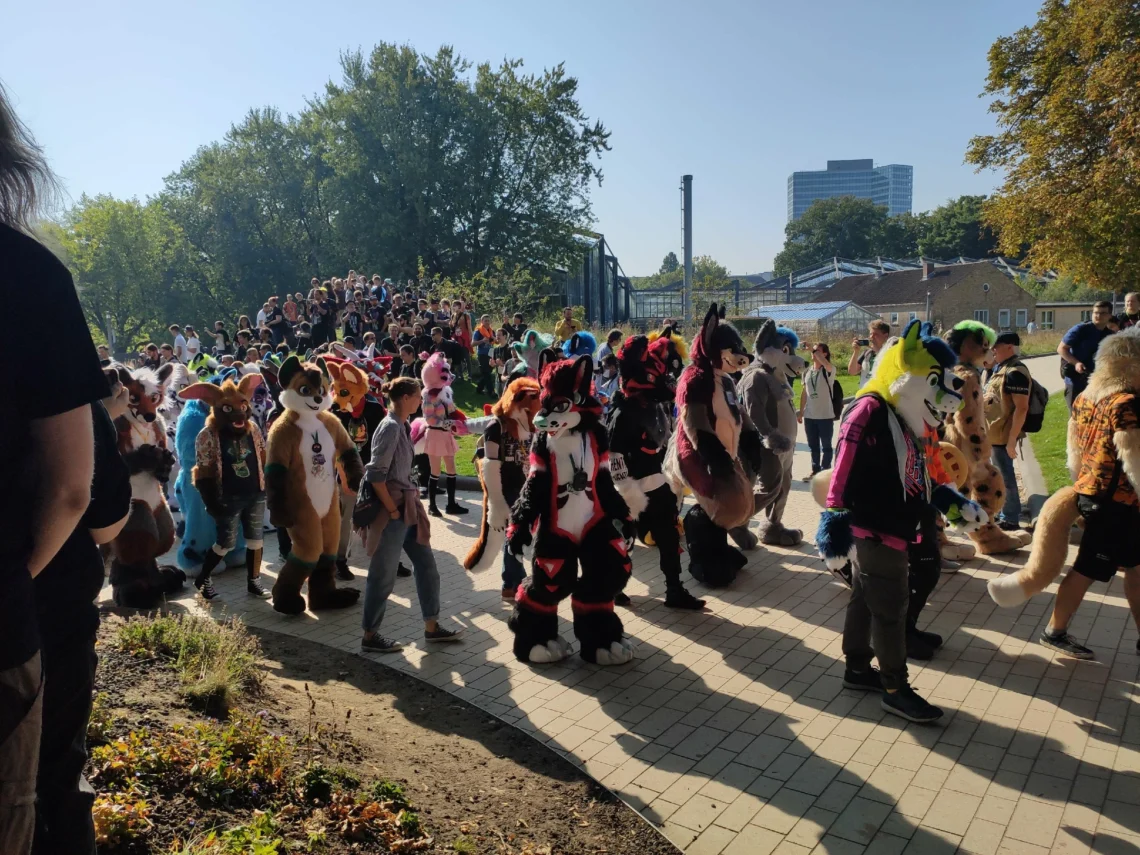
- Making and wearing costumes called fursuits.
- Attending meetups and conventions to socialize and show work.
Fursonas: personal characters
Many furries create a fursona: a personalized anthropomorphic character.
A fursona can reflect a person’s tastes, personality, or an alter ego. It’s a way to explore identity, storytelling, and community play. A “virtual self” or sorts.
Fursuits and cosplay
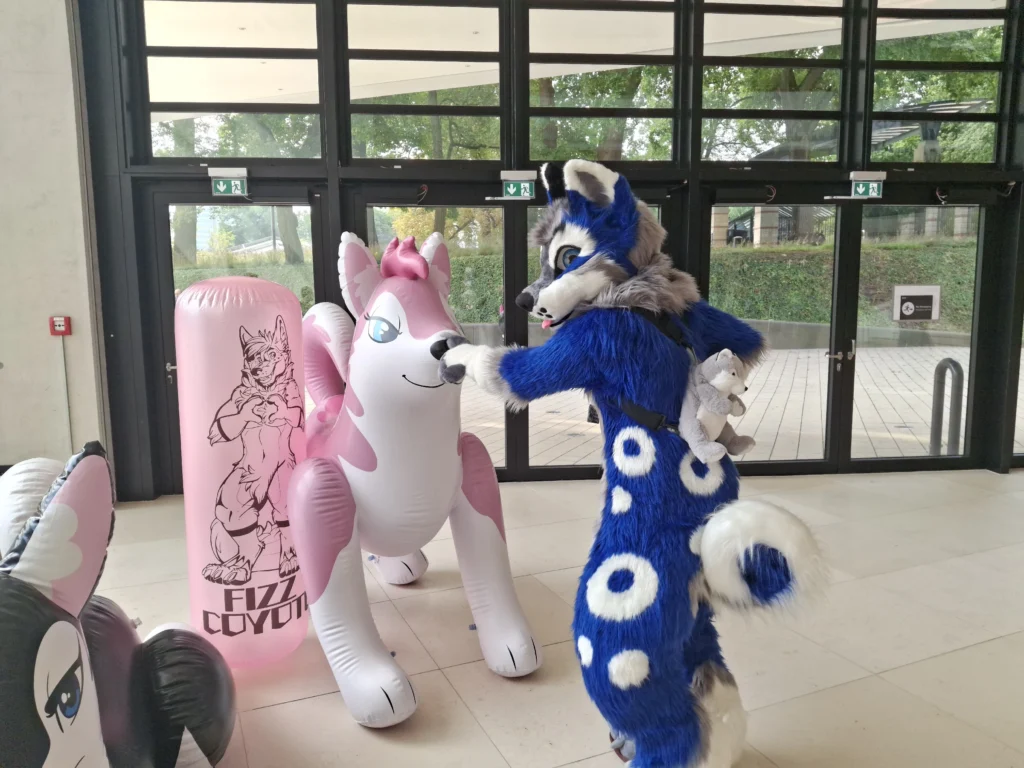
Fursuits are costumes that portray a fursona or animal character.
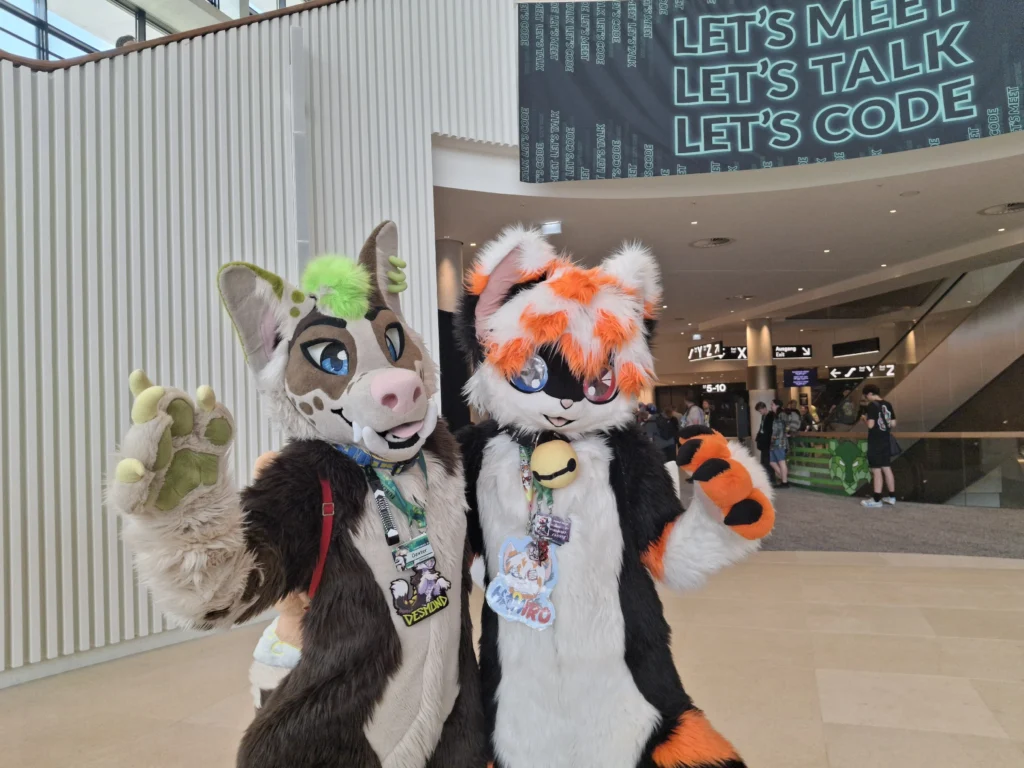
They range from partial pieces (tails, ears) to full-body suits with animatronic features.
Fursuiting is a performance art: it can be expensive and time-consuming to make. Not all furries wear fursuits — most participate through art, writing, or online interaction.
Common misconceptions
There are several frequent misunderstandings about furries:
- Not all furries are sexualized. While sexual expression exists in any large group, most fandom activity is creative and social.
- Furries are almost all of age. The fandom is composed mainly of adults and young adults.
- It’s not a cult or a single ideology. The fandom is diverse, with people holding many different beliefs and backgrounds.
Social life, identity, and diversity
The furry community includes many identities and orientations. Some people find social support, friendship, and creative collaboration there. The fandom often attracts artists, writers, costumers, and performers. Like many online subcultures, it has its own norms, slang, and etiquette.
Etiquette and safety
If you meet furries (online or in person), these tips help:
- Ask before photographing or touching a fursuit or person.
- Respect someone’s stated limits and boundaries.
- Avoid assuming sexuality or motives. Ask politely if relevant.
- At conventions, follow posted rules and event staff directions.
Although, to be honest, that applies to everyone not just furries. However it’s important to emphasize it as some people will assume fursuit = allowed to touch.
Why the fandom matters
Furry culture is important for fans because it:
- Encourages creative skills like drawing, sewing, and performance.
- Provides spaces for social connection and identity exploration.
- Offers venues for community fundraising, charity work, and public outreach.
- it’s fun!
Quick FAQ
- Are furries the same as people who like cartoons/cosplay?
Some overlap exists, but furries are specifically focused on anthropomorphic animals. - Is the fandom online-only?
No — there are many in-person meetups and large conventions worldwide. - Is joining the fandom expensive?
It costs literally nothing. To join you just have to consider yourself a furry. - What does “anthropomorphic” mean?
It refers to giving animals human-like qualities — such as walking upright, speaking, or having emotions and facial expressions like humans. - Are furries part of the LGBTQ+ community?
Many are, and the fandom is known for being inclusive. However, being a furry is not tied to sexuality or gender — it’s a creative interest open to everyone. - Do furries make money from their art or costumes?
Yes. A significant portion of the community includes professional artists, writers, and makers who sell commissions, costumes, and merchandise. - Do furries think they’re animals?
No. They may enjoy identifying with animals symbolically or creatively, but they understand the difference between fantasy and reality. - Is the fandom safe for kids or teens?
Generally yes — but, like any online space, parental supervision is advised. There are both family-friendly and adult-only sections in the community. - Do furries do charity work?
Yes. Many conventions raise funds for animal shelters, wildlife rescues, and community causes. The fandom has collectively donated millions of dollars worldwide.
Like my content? Support me with a tip!