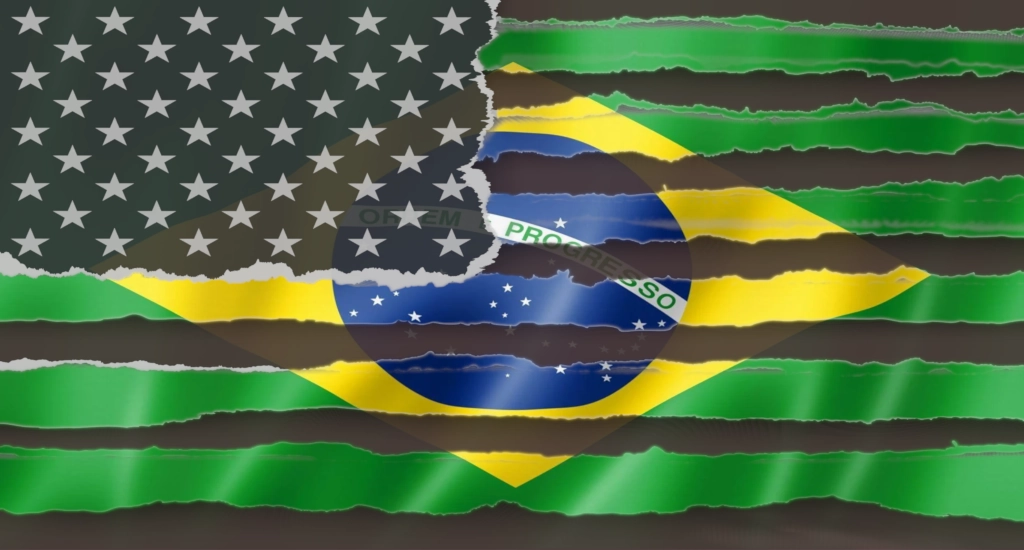
After TACO’s announcement of 50% tariffs to Brazil on all imports, I scouted the web(specially Youtube) to see people’s opinions on it, and noticed a hilarious lack of knowledge (of course from americans) about what the United States buys from Brazil.
So, with most americans thinking Brazil only exports coffee, I decided to take a deep dive and look for a detailed list of goods my country sells to the United States, how much its worth and how it’ll impact the U.S.
The list
Brazil exports a LOT more than just coffee to the U.S.:
- Agricultural Products: Brazil is one of the world’s largest exporters of agricultural products, including soybeans, coffee, sugar, orange juice, and meat (beef, poultry).
- Industrial Goods: This includes vehicles and vehicle parts, machinery, and electrical equipment.
- Minerals and Metals: Copper, Iron ore, aluminum, and steel are significant exports.
- Energy Products: Crude oil and ethanol.
- Chemicals: Various chemical products including fertilizers and pharmaceuticals.
- Consumer Goods: Apparel, footwear, and furniture.
- Paper and Pulp: Brazil is a major exporter of paper and cellulose.
- Aircraft: Embraer, a Brazilian aerospace conglomerate, is a significant exporter of commercial jets and defense aircraft to the U.S.
- Rubber and Plastics: Natural rubber and plastic products.
- Textiles: Fabrics and textile products.
In total, imports from Brazil in 2024 were worth around 42 BILLION dollars, a number ~10% higher than previous year. This is just imports of goods, not services.
The impact
Imposing a 50% tariff on goods from Brazil could have several impacts on the United States economy its population:
- Increased Costs for Consumers and Businesses: Tariffs would increase the cost of goods for U.S. consumers, specially food. This could lead to higher prices for products such as soybeans, coffee, meat, and steel, which could affect both end consumers and companies that use these goods as inputs in their production processes.
- Potential Inflationary Pressure: If businesses pass on the increased costs of imported goods to consumers, this could contribute to inflationary pressures within the U.S. economy, especially if there are no readily available domestic substitutes or if alternatives from other countries are also subject to tariffs or are more expensive.
- Supply Chain Disruptions: Companies that rely on Brazilian imports as part of their supply chain might face disruptions and would need to seek alternative suppliers, which could involve additional costs and logistical challenges.
- Retaliation from Brazil: Brazil might impose retaliatory tariffs on U.S. goods, affecting American exports to Brazil and potentially harming U.S. businesses that export goods such as machinery, aircraft, and agricultural products to the Brazilian market.
- Impact on Specific Industries: Industries that heavily rely on Brazilian imports, such as the agricultural sector for soybeans or the steel industry, would be particularly affected. This would lead to goods(such as machinery and meals at restaurants) that depend on them getting more expensive.
- Diplomatic and Political Relations: Such a significant tariff could strain diplomatic and political relations between the two countries, potentially affecting cooperation on other international issues.
It comes at a bad time for the U.S.
And all of this comes at a terrible time for the United States. The country already is losing multiple partners, like Canada and Mexico, and therefore a lot of money and opportunities with those markets. Canadians in special have been looking for alternatives to american goods on every opportunity.
On top of that, the U.S. is heading for a recession, as the first quarter’s GDP shrinked and every single economic indicator shows that the next one will also be negative. Add it to the “Big Beautiful Bill” who will add trillions to american deficit(which already sits at about 120% of GDP) and lowering of the Moody’s score, that signals to other countries whether or nor a certain country is good at paying their debt, and you’ve a recipe for disaster.
My opinion about all this? Don’t bet on the U.S. long term. Within the next 3 years, it will lose its place as biggest economy, alongside losing all relevancy.
Like my content? Support me with a tip!