
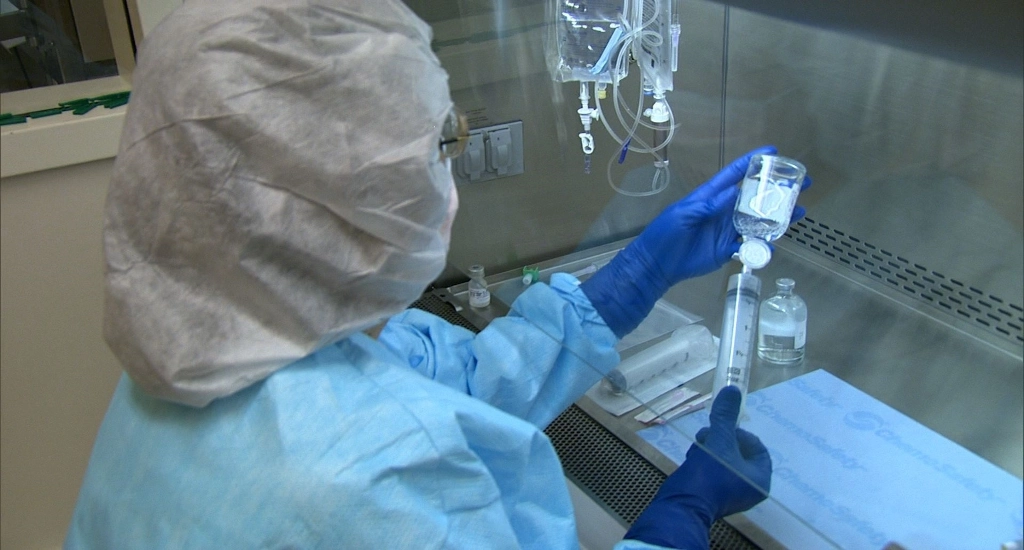
In a landmark move for Brazilian healthcare, the Ministry of Health has announced an investment of R$ 122 million in the Oswaldo Cruz Foundation (Fiocruz) to develop a cutting-edge gene therapy for Spinal Muscular Atrophy (SMA) Type 1. The announcement was made by Health Minister Alexandre Padilha and Fiocruz President Mário Moreira today.
This investment will support the production platform for plasmids and viral vectors, essential components for manufacturing this innovative therapy and other treatments for rare diseases. The therapy, which requires only a single dose, offers hope for a longer life for infants affected by SMA Type 1, a rare and severe neuromuscular disorder.
This is about changing the course of disease and the destiny of these children,[…]By offering this innovative therapy through the Unified Health System (SUS), we are bringing the world’s most advanced medicine to the Brazilian people for free, reaffirming the SUS as a national treasure.”
– Minister Padilha
The clinical study, known as GB221, marks the first time a human trial for this gene therapy technology is being conducted in Brazil. The first patient received the infusion in January 2026, following approval from the National Health Surveillance Agency (Anvisa). The study is currently in Phase 1, evaluating safety and tolerability, and will proceed to Phase 2 to assess efficacy.
The trial is open to symptomatic children aged two weeks to 12 months, with genetically confirmed SMA Type 1 and up to three copies of the SMN2 gene, as well as pre-symptomatic infants at risk for the disease. The therapy is being developed by the U.S. biotech company Gemma Biotherapeutics, Inc. (GEMMABio), with technology transfer to Bio-Manguinhos, Fiocruz’s biotechnology arm, which will lead the development of gene therapies in Brazil.
If successful and approved by Anvisa, the therapy could be incorporated into the SUS, providing free access to this life-changing treatment. The initiative also paves the way for the development of therapies for at least five other rare diseases, including Spinal and Bulbar Muscular Atrophy, Metachromatic Leukodystrophy, Krabbe Disease, and GM1 Gangliosidosis.
The Ministry of Health has also committed over R$ 214 million to research for rare diseases, including diagnostics, drug development, and genetic sequencing. In addition, eight Productive Development Partnerships (PDPs) have been signed, mobilizing R$ 2 billion for the production of rare disease medications in Brazil, reducing reliance on imports and ensuring stable access for patients.
Through the Local Development and Innovation Program (PDIL), R$ 2.8 million will be invested in whole-exome sequencing for more precise diagnosis of genetic diseases, with training for 40 specialists at the University of São Paulo’s Hospital das Clínicas.
Source: Agencia Gov