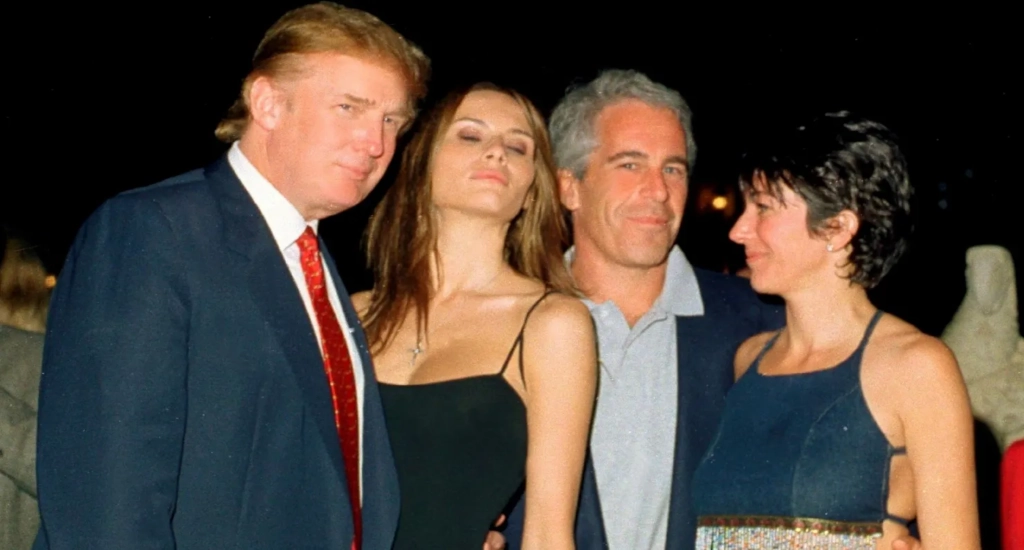
The release of the Epstein files has not only unearthed a labyrinth of scandal, power, and alleged criminality but has also given rise to a new political term: the “Epstein class.” This phrase encapsulates the perception of a wealthy, interconnected elite—politicians, celebrities, academics, and business magnates—who are seen as operating above the law, shielded by their influence and resources. The term has been popularized by U.S. lawmakers including Representatives Ro Khanna and Thomas Massie and Senator Jon Ossoff, who have used it to describe the powerful figures whose names have surfaced in the trove of documents related to Jeffrey Epstein, the American financier and convicted sex offender.
The Files: A Digital Pandora’s Box
The Epstein files are a partially released collection of millions of documents, images, videos, and emails that detail Epstein’s activities and his extensive social circle. These records, amounting to over 300 gigabytes of data, include Epstein’s contact book, flight logs, court documents, and internal FBI communications. Many of the files belong to Epstein’s estate, managed by lawyer Darren Indyke and accountant Richard Kahn.
In November 2025, the U.S. Congress passed the Epstein Files Transparency Act, compelling the Department of Justice (DOJ) to release the files. President Donald Trump, who had previously promised to declassify the documents during his 2024 campaign, signed the act into law. However, the initial releases in late 2025 were heavily redacted and criticized for failing to meet the law’s requirements. A more substantial release in January 2026 included over 3 million pages, 180,000 images, and 2,000 videos, but even this was not without controversy—faulty redactions exposed victims’ identities, and many questioned the completeness of the disclosures(another 3 million pages are missing).
The “Epstein Class” in the Spotlight
The files have implicated a who’s who of the global elite. Among the names that have surfaced are:
- Donald Trump
- Elon Musk
- Bill Gates
- Peter Thiel
- Melania Trump
- Howard Lutnick
- Robert F Kennedy JR
- Bill Clinton
- Prince Andrew Mountbatten-Windsor
- Steve Tisch
- Larry Summers
- Steve Bannon
- Sergey Brin
- Kathryn Ruemmler
- Peter Mandelson
- Ehud Barak
But there are many, many more.
The “Epstein class” label is used to describe the sense that these individuals, through their wealth and connections, have been able to evade accountability. The files have fueled accusations of a global network of powerful men who exploited young women and girls, allegedly with impunity.
Global Repercussions
The fallout from the Epstein files has been international. In Europe, the revelations have prompted resignations, criminal investigations, and public outrage. In the United Kingdom, the scandal has led to the arrest of a member of the royal family for the first time in nearly 400 years. In Norway, a former prime minister was charged with corruption. In Turkey, Lithuania, Latvia, and other countries, prosecutors have opened inquiries into possible human trafficking links.
The “Epstein Class” as a Political Weapon
The term has also become a rallying cry for those who argue that the American and global political systems are rigged in favor of the wealthy. Critics say the “Epstein class” represents a transnational capitalist elite that is insulated from legal and moral consequences. Supporters of this view point to the slow, incomplete, and often contested release of the files as evidence of a broader cover-up.
The “Epstein class” has become more than a political neologism—it is a symbol of the perceived failures of accountability in modern democracies. The files themselves may never tell the whole story, but they have already changed the way many people view power, privilege, and justice.
Source: Wikipedia