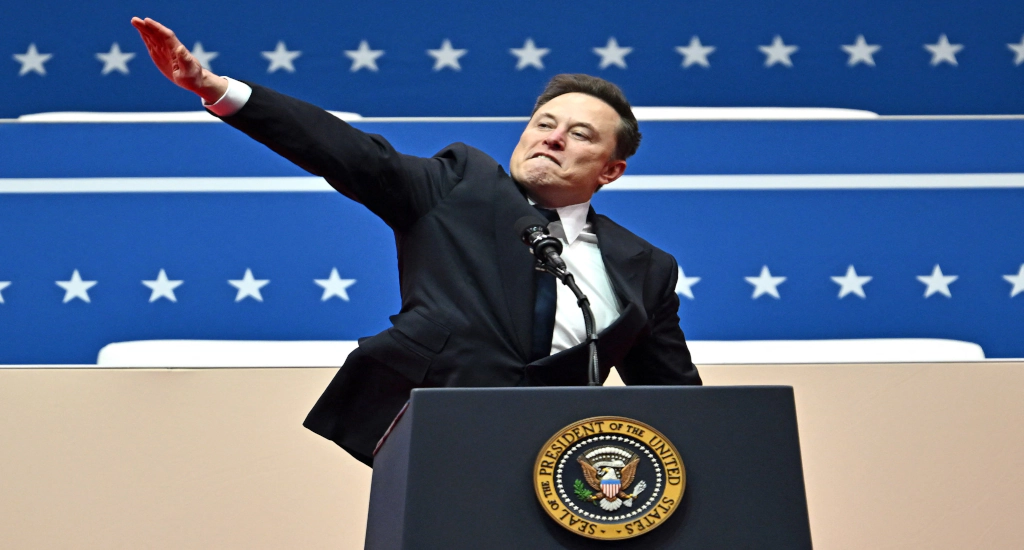
“Musk,” Alex Gibney’s nearly four-hour documentary about the world’s richest man, opens in New York and Los Angeles on Oct. 9, with a U.S. expansion to follow. Getting it there has been a fight. In the three weeks since its Venice premiere, the film’s international distributor reportedly wavered, Elon Musk’s attorney sent the filmmakers a legal warning, and the biggest social media platforms — Musk’s own among them — refused to sell ads for its trailer. Outlets like The Daily Beast labeled the episode censorship. The companies involved point to ad-policy rules, system errors and, in Universal’s case, a stated commitment to release the film.
Acclaim, then a legal warning
The film premiered out of competition at the Venice Film Festival on Sept. 8 and drew a standing ovation reported at four to five minutes. Reviews have been almost uniformly positive, and it holds a 100 percent fresh rating on Rotten Tomatoes. Musk declined to be interviewed and has dismissed the project as a “hit piece.” He also recently insulted Gibney in vulgar terms on X.
If you know anything about Musk, it must mean the documentary is good and accurate.
After the premiere, Musk’s attorney, Alex Spiro, sent a letter to Gibney’s production company placing it “on notice.” The letter professed support for the First Amendment but argued the project was never a genuine inquiry, and said Musk’s team had repeatedly offered to give his side and been refused. Gibney disputes that. At the Toronto International Film Festival, he said his team made numerous formal attempts to reach Musk and heard nothing back except posts on X, and that the film was heavily fact-checked and reviewed by independent lawyers.
A studio gets cold feet
In mid-September, The Hollywood Reporter reported that Universal Pictures had not set a release date, had not told the filmmakers its plans, and appeared to be rethinking a project that had become “politically sensitive” for parts of the Trump administration. Universal had paid millions for the international rights in 2023, before Musk fully aligned himself with President Donald Trump. Two people with knowledge of the situation said they believed Universal would ultimately return the rights to the filmmakers, though no final decision had been made. The report also noted that Amazon had backed out of releasing a film about OpenAI’s Sam Altman as it moved into business with his company.
The U.S. release, handled by Bleecker Street, did not appear to be at risk. Universal has since said, through communications chief Evan Langweiler, that it remains committed to an international theatrical release, with its strategy still being finalized.
The ad rejections
Bleecker Street released the trailer on Sept. 24. The next day, The Hollywood Reporter reported that YouTube, TikTok, Meta and X had all refused to run it as a paid ad, with the first three citing “political content.” The trailer does include a clip from a 2024 political rally and an end-title reference to the 2024 election, but the trade outlet noted that it does not resemble the campaign advertising those rules were written to prevent. Gizmodo observed that such restrictions have generally been understood to target campaigns, parties and advocacy groups, not Hollywood.
TikTok does not allow paid political ads, Meta requires pre-authorization for them, and YouTube permits them with disclosures. X, which Musk owns, declined to engage with Bleecker Street on the film and refused ads for every other film on the distributor’s upcoming slate. Bleecker Street appealed to the other three platforms, and Meta initially rejected the appeal. A producer on the film told Deadline the distributor was unable for now to put ad money behind the film on those platforms, and Bleecker Street maintains that the trailer is not a political ad.
Reversals and holdouts
The reversals came within a day. YouTube said the trailer had always been viewable on its platform and that its system had temporarily restricted the paid version before it was cleared on review. Meta called its rejection an error and said the ads were being restored. Gibney said the “public pressure worked,” and asked on X whether Musk’s platform would follow suit given its owner’s image as a champion of unrestricted speech.
As of the latest reports, TikTok and X were still not running the ad. TikTok’s decision on the appeal and X’s reasons had not been made public. X did not comment. Reporting to date has not shown Musk or X pressuring or coordinating with other platforms, Universal or HBO.
What comes next
HBO, which holds North American TV and streaming rights, has backed the film and reportedly provided additional financing. But Gibney told the Toronto audience he worries about the takeover battle over HBO’s parent, Warner Bros. Discovery, by Paramount, run by David Ellison. He noted that David’s father, Larry Ellison, is cited in the film and is a friend and investor in Musk’s Twitter takeover, and he sharply criticized David Ellison’s ties to Trump. The roughly $110 billion deal would bring HBO and CNN under one roof, and its closing has been delayed by litigation. Gibney described the danger as “storm clouds” on the horizon.
Commentators say the pushback may be backfiring. Gizmodo wrote that Musk’s own engagement with the film’s publicity seems likely to help it at the box office, and CleanTechnica invoked the Streisand effect. Bleecker Street has already moved the release up by a week.
Source: Washington Times, Tech Crunch, Yahoo, CBC
 Buy me a Ko-fi
Support this blog ❤️