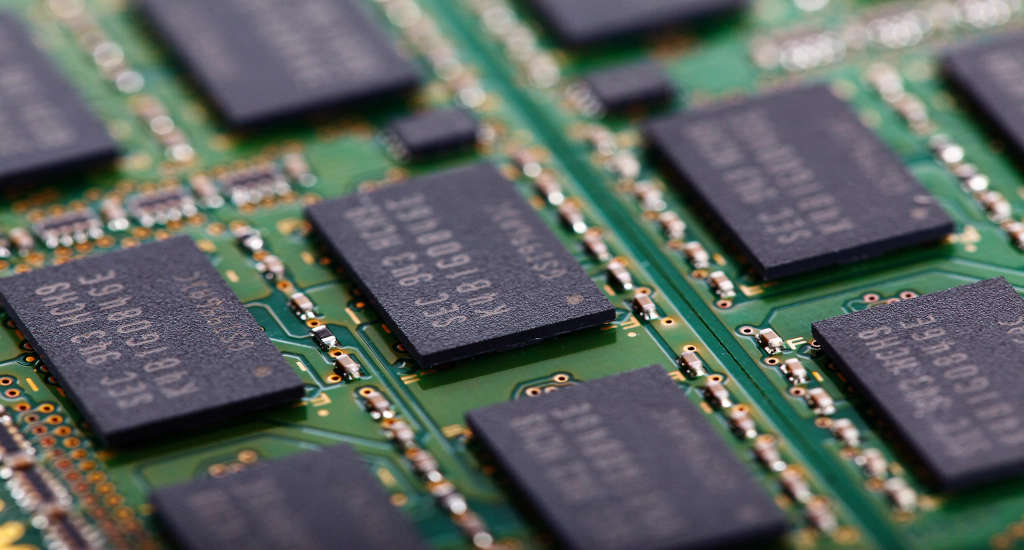
Brazil is taking a significant step toward strengthening its semiconductor industry with the announcement of a strategic partnership between global memory solutions provider BIWIN and Brazilian semiconductor manufacturer TERA Indústria de Semicondutores. The collaboration aims to expand local production of memory semiconductors, introduce advanced technology transfer, and develop new solutions tailored to Brazil’s electronics manufacturing sector.
A Framework for Local Manufacturing and Innovation
The agreement was formalized through the signing of a Strategic Partnership Framework, a document that establishes the foundation for cooperation between the two companies. Under the partnership, BIWIN will contribute its international technology expertise while TERA will leverage its domestic industrial capacity — a combination designed to fortify Brazil’s semiconductor supply chain.
Beyond manufacturing, the initiative encompasses joint efforts in engineering, technological planning, and new product development. The companies plan to co-create memory solutions specifically for Brazilian manufacturers of smartphones, computers, and a range of other electronic devices operating in the country.
Strengthening Brazil’s Semiconductor Ecosystem
The partnership is positioned as a catalyst for the broader Brazilian semiconductor ecosystem. By producing memory chips locally — rather than relying exclusively on imports — the collaboration could help reduce supply chain vulnerabilities for Brazil’s electronics industry, which has historically faced disruptions during global chip shortages.
The move also aligns with Brazil’s long-term ambitions to reduce dependence on foreign semiconductor technology and build domestic capabilities in a sector that has become strategically critical worldwide.
Executive Perspectives

Sung Un Song, CEO of TERA, emphasized the synergy between global technology and local industrial capacity:
“We are very pleased to begin this strategic partnership with BIWIN. Together, we will combine global technology with Brazilian industrial capacity to deliver greater value to our customers and contribute to the development of Brazil’s national semiconductor industry.”

Will Lin, General Director of BIWIN, underscored Brazil’s strategic importance in the company’s global plans:
“Brazil is a strategic market for BIWIN. We are delighted to establish this partnership with TERA and confident that we will build a long-term relationship that benefits our customers and contributes to the growth of local semiconductor manufacturing.”
Market and Geopolitical Context
The partnership arrives at a moment when semiconductor self-sufficiency has become a priority for governments worldwide. Following global supply chain disruptions during the COVID-19 pandemic and amid ongoing U.S.-China tech tensions, countries across Latin America have sought to attract semiconductor investment and build local capabilities.
Brazil, as Latin America’s largest economy and home to a substantial electronics manufacturing base — including major smartphone and computer assembly operations — represents a natural hub for such ambitions. The BIWIN-TERA collaboration could serve as a model for future international partnerships aimed at decentralizing semiconductor production beyond traditional hubs in Asia, the United States, and Europe.
What Comes Next
While the companies have not disclosed specific investment figures or production timelines, the Strategic Partnership Framework sets the stage for concrete implementation in the coming months. The next phases are expected to include technology transfer protocols, joint R&D initiatives, and the scaling of manufacturing lines to meet local demand.
If successful, the partnership could mark a turning point for Brazil’s semiconductor ambitions — moving the country from assembly and packaging toward higher-value memory chip production and design.
Source: Olhar Digital
 Buy me a Ko-fi
Support this blog ❤️