
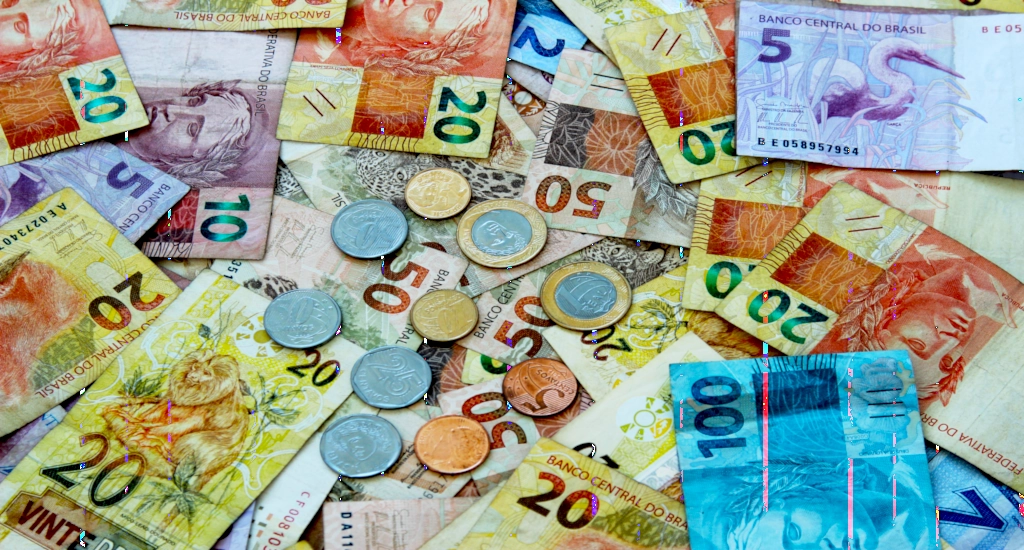
Brazil’s ranks of the ultra-wealthy expanded by 9,215 individuals in 2025, bringing the country’s total to 386,000 people with net worth exceeding US$1 million (approximately R$5.1 million), according to the UBS Global Wealth Report 2026 released this week.
The 2.4% year-over-year increase solidifies Brazil’s position as the nation with the largest number of millionaires in Latin America, the Swiss banking group found.
UBS defines a millionaire in dollar terms as any individual whose financial assets — including stocks, bonds, and cash — combined with non-financial assets such as real estate, less debts, surpass the US$1 million threshold. The report emphasizes that a household’s primary residence typically represents the single largest asset for most Brazilian families, rather than liquid investments alone.
Within this millionaire cohort, approximately 43,000 Brazilians hold wealth between US$5 million and US$100 million, the report indicates, pointing to a growing concentration of high-net-worth individuals in the country.
Globally, personal wealth expanded at a robust 10.8% in 2025 — the fastest pace recorded since 2017. UBS attributes the surge to a dual engine of buoyant financial markets and appreciation in non-financial assets, particularly real estate, across major economies.
The 2026 edition of the report analyzed 56 markets representing more than 92% of the world’s total wealth. To ensure cross-country comparability, all figures are expressed in U.S. dollars, with adjustments for purchasing power where relevant.
Despite the headline growth in average wealth, the report carries a sobering caveat: wealth inequality has deepened globally since 2020. In most countries, median wealth — the midpoint where half the population sits below and half above — has actually declined, underscoring that the gains from rising asset prices are not evenly distributed across society.
UBS calculates net worth by aggregating the full spectrum of household assets, both financial (deposits, funds, equities, bonds) and non-financial (primarily real estate and business ownership), then subtracting liabilities. This comprehensive methodology captures wealth beyond bank balances and stock portfolios, offering a fuller picture of household prosperity — and vulnerability — in an era of volatile asset prices.
Brazil’s continued expansion of millionaire households reflects a combination of strong domestic equity performance, a recovering real estate market, and a currency environment that, when translated into dollars, still registers meaningful gains for those holding appreciating assets. Yet the report’s broader warning on inequality suggests that while the summit of Brazil’s wealth pyramid grows, the middle and lower tiers face persistent headwinds.
Source: UOL