Valve is laying the groundwork to make SteamOS a truly universal operating system for PC gaming, confirming active development work to bring full compatibility to machines powered by Intel processors and Nvidia graphics cards. The move signals a major shift for an OS that has, until now, been tightly coupled to AMD hardware.
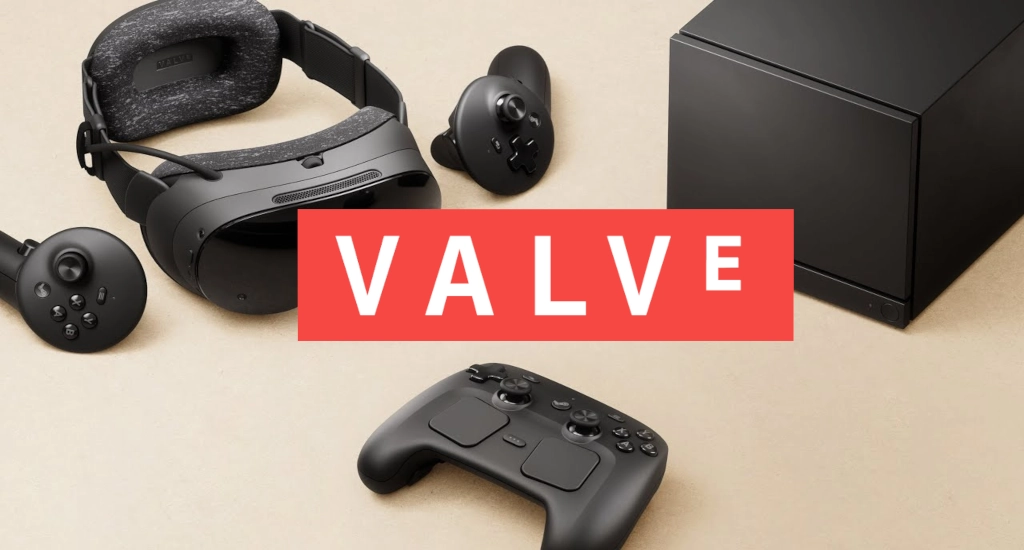
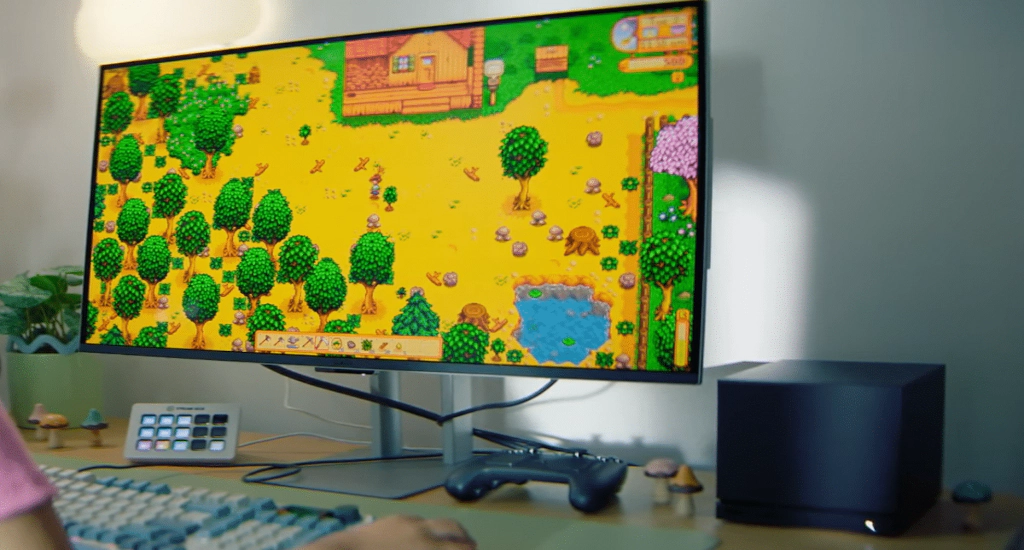
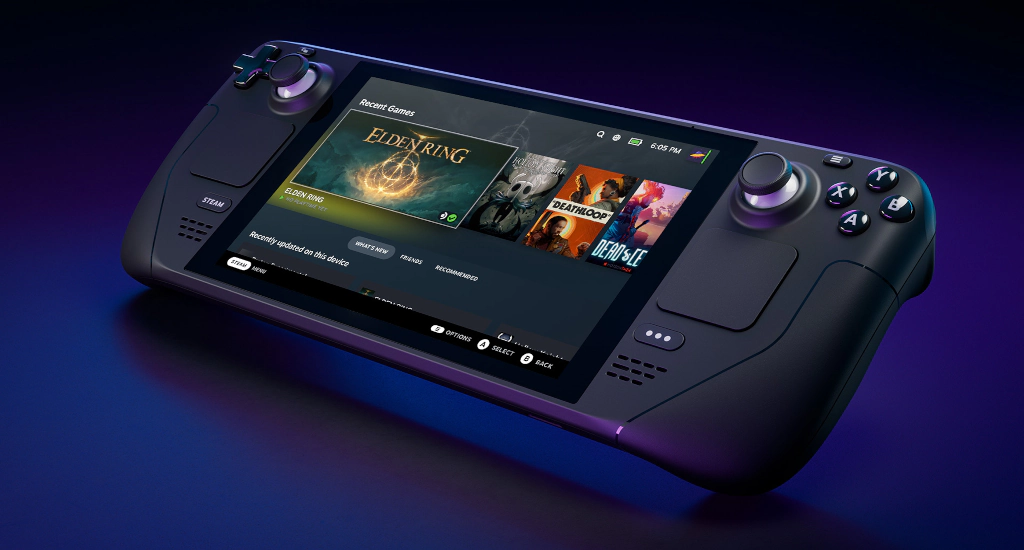
SteamOS was originally engineered to run the Steam Deck handheld, which launched with a custom AMD APU — a single chip combining CPU and GPU. That AMD-centric philosophy has carried over to Valve’s next wave of hardware: the recently announced new Steam Machines, which feature AMD Zen 4 CPU cores and RDNA 3-based GPUs. With official pricing for those machines just unveiled after months of anticipation, Valve is now looking beyond its longtime silicon partner.
According to recent updates, SteamOS 3.8.10 introduced an “initial firmware” layer for portable devices equipped with Intel processors, marking the first concrete step toward broader hardware support. While running SteamOS on non-AMD systems has been possible, it has historically required a significant degree of tinkering and technical know-how. The new firmware suggests that manual workarounds may soon become a thing of the past for Intel-based laptops and desktops.
Support for Nvidia GPUs is further out on the horizon. Pierre-Loup Griffais, one of SteamOS’s lead developers, told The Verge that both Valve and Nvidia are collaborating on the effort. Even so, official Nvidia graphics support is not expected to arrive in 2026, indicating the complexity of the undertaking.
A Broader Vision for PC Gaming
The push to decouple SteamOS from AMD hardware is part of a larger ambition: to make the operating system as widely accessible as Windows or mainstream Linux distributions. Valve appears to be positioning SteamOS as a viable option not only for its own hardware but also for user-built Steam Machines and general-purpose gaming PCs.
Griffais also alluded to the possibility of SteamOS running in dual-boot configurations alongside Windows or conventional Linux distributions. While technically feasible today, such setups currently demand extra effort from users. Valve’s ongoing work could make dual-booting — and SteamOS installation in general — as straightforward as any other OS deployment.
What SteamOS Offers
Built on the Arch Linux foundation, SteamOS distinguishes itself with a gaming-first interface and features like Gaming Mode, which optimizes the system for performance and controller-centric navigation. For users who need more than a game launcher, Desktop Mode provides a full-fledged computing environment powered by the KDE Plasma desktop, enabling productivity, web browsing, and other everyday tasks.
If Valve succeeds in its current mission, SteamOS could soon join the ranks of truly cross-hardware operating systems, giving PC gamers and builders a compelling Linux-based alternative to Windows — regardless of whether their machine runs on AMD, Intel, or Nvidia silicon. The question now is not if SteamOS will break free from its AMD roots, but when.
Source: Tecnoblog
 Buy me a Ko-fi
Support this blog ❤️