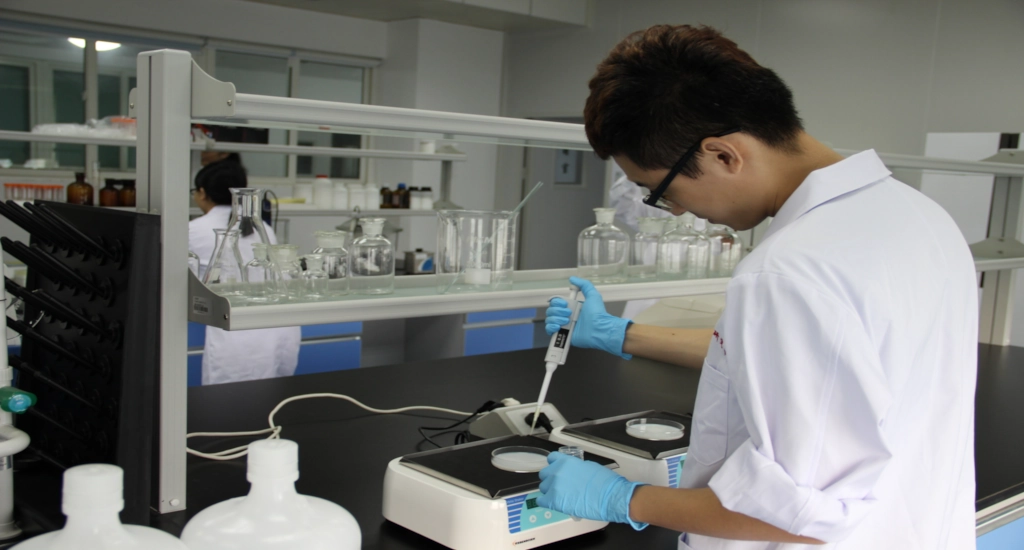
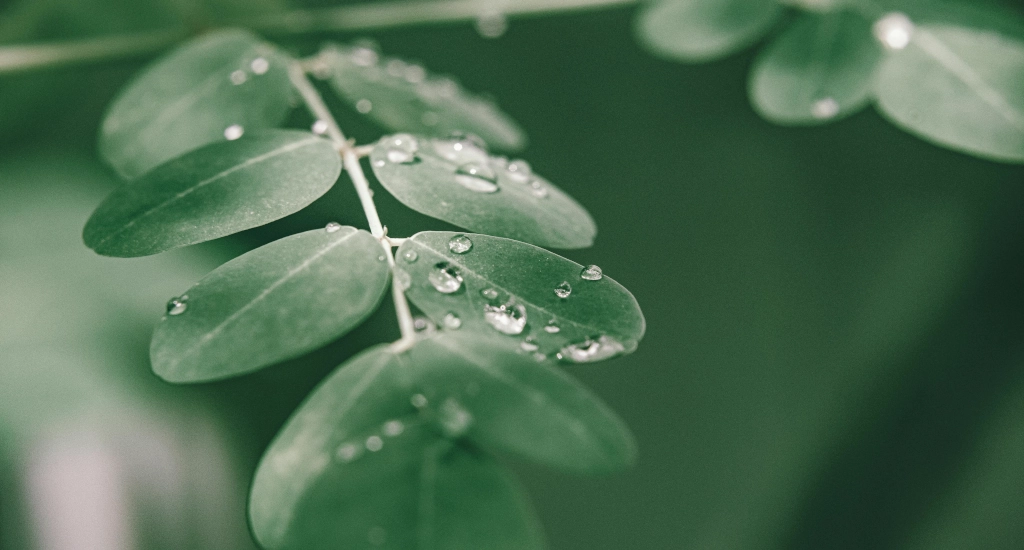
A study by the Institute of Science and Technology at São Paulo State University (ICT-UNESP) in São José dos Campos (SP) has found that the plant Moringa oleifera may be an effective, sustainable ally in removing microplastics from drinking water. Published in the journal ACS Omega, the research explored the potential of the plant’s seeds in water treatment, highlighting the search for more environmentally friendly alternatives to conventional chemical processes in Brazil.
Moringa oleifera, originally from India, thrives in tropical regions like Brazil. It is used both as food and in environmental research, largely due to its seeds, which are highly nutritious and have demonstrated potential in water purification.
“We showed that the saline extract from the seeds performs similarly to aluminum sulfate, which is commonly used in water treatment plants to coagulate water containing microplastics. In more alkaline waters, it even outperformed the chemical product,”
– Gabrielle Batista, the study’s lead author.
The removal of microplastics occurs through coagulation, where negatively charged particles are neutralized by coagulants, allowing pollutants to clump together and be more easily filtered out.
Simulated Treatment Plants and Sustainable Solutions
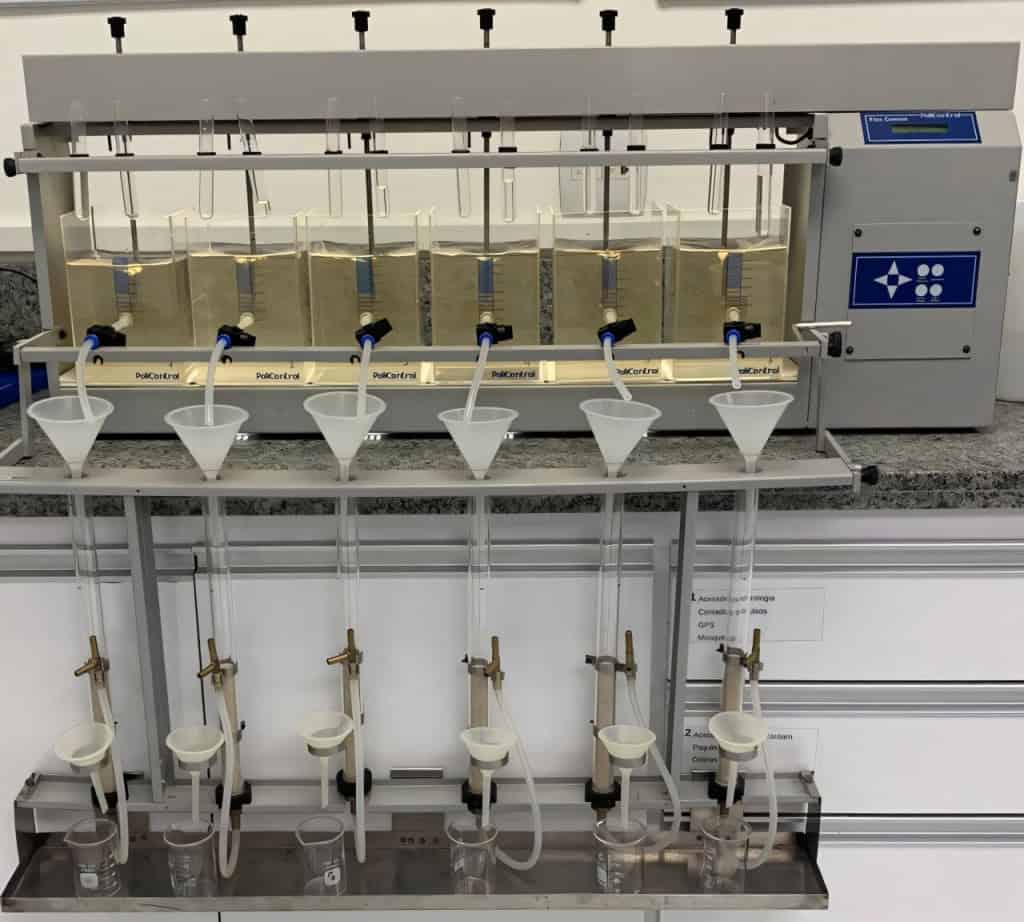
The research team used a linear filtration system, where water first undergoes coagulation and then passes through sand filters—a method suitable for waters with low turbidity, meaning fewer suspended particles. To test the method’s efficiency, the researchers contaminated tap water with PVC microplastics, a type of plastic linked to health risks, and artificially aged the material with ultraviolet radiation to mimic real-world environmental conditions.
The experiments were conducted on a small scale using equipment that simulates full-scale water treatment plants. Particle analysis was performed using scanning electron microscopy, which allowed the researchers to count and measure microplastics before and after treatment. Initial results are encouraging, with ongoing studies now testing the method on water collected directly from the Paraíba do Sul River, which supplies São José dos Campos.
The Path Toward Eco-Friendly Water Treatment
The researchers emphasize the importance of sustainable alternatives to traditional chemical coagulants like aluminum sulfate, which can leave toxic residues. “The method could be especially useful in rural communities or small towns where access to advanced treatment facilities is limited,” the study’s authors note. Because Moringa oleifera extract is low-cost and easy to prepare, it can be produced locally, making it practical for simple water purification systems.
However, the team stresses that further studies are needed to assess the impact of increased organic matter in treated water and to ensure safety at large scales. Future research will also compare the performance of Moringa oleifera against various types of pollutants found in both natural and urban water sources. The findings could pave the way for greener, more accessible solutions to the growing problem of microplastic contamination.
Source: Olhar Digital, Fapesp
 Buy me a Ko-fi
Support this blog ❤️