In an era where digital communication is ubiquitous, the privacy and security of our messages have become paramount. End-to-end encryption (E2EE) is a technology that ensures only the communicating users can read the messages, providing a robust shield against eavesdropping and unauthorized access.
What Is End-to-End Encryption?
End-to-end encryption is a method of secure communication that prevents third-parties—such as service providers, hackers, or governments—from accessing data while it’s transferred from one end system to another. In E2EE, the data is encrypted on the sender’s system or device and only the recipient has the key to decrypt it. This means that even if the message is intercepted during transmission, it remains unreadable to anyone except the intended recipient.
Unlike other forms of encryption, where messages may be decrypted at intermediate points (such as on a service provider’s server), E2EE ensures that encryption and decryption occur only on the users’ own devices. Popular messaging apps like Signal, WhatsApp, and Telegram (in “secret chat” mode) use E2EE to protect user privacy.
Why Is End-to-End Encryption Important?
1. Protection of Privacy
With E2EE, personal conversations remain private. This is crucial for individuals who want to keep their communications confidential, whether for personal, professional, or political reasons.
2. Defense Against Cyberattacks
Without E2EE, messages can be vulnerable to interception by malicious actors. End-to-end encryption makes it extremely difficult for hackers to access the content of messages, even if they manage to breach the service provider’s infrastructure.
3. Trust in Digital Communication
As more sensitive information is exchanged digitally, users need assurance that their data is safe. E2EE builds trust between users and service providers by guaranteeing that even the provider cannot read the messages.
4. Protection for Journalists, Activists, and Whistleblowers
For those living under repressive regimes or working in high-risk environments, E2EE can be a lifeline. It allows them to communicate securely without fear of surveillance or reprisal.
5. Compliance with Data Protection Laws
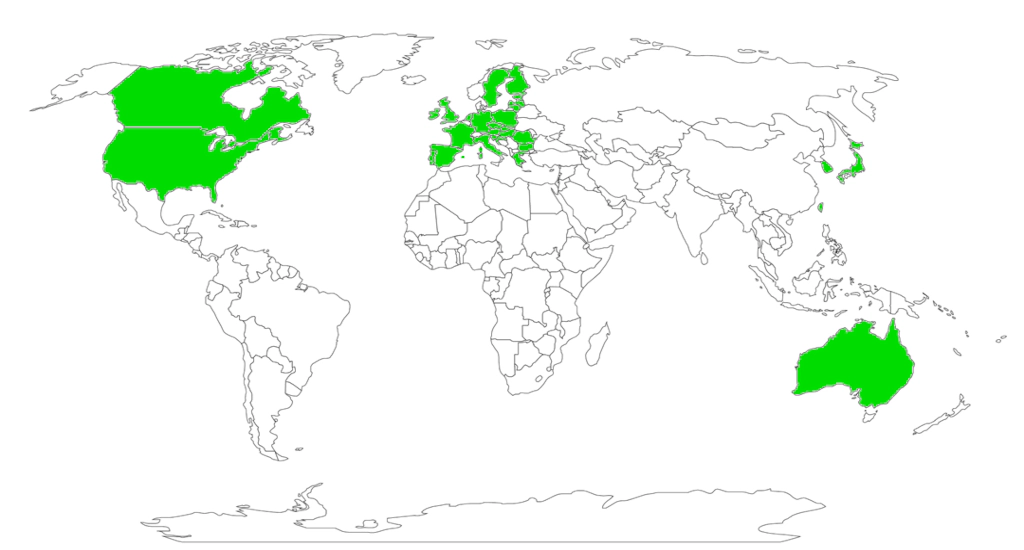
Many countries now have strict data protection regulations (such as the EU’s GDPR). E2EE helps organizations comply with these laws by ensuring that personal data is not exposed to unauthorized parties.
Challenges and Misconceptions
Despite its benefits, E2EE is not without controversy. Law enforcement agencies argue that it can hinder investigations by preventing access to potentially incriminating messages. However, experts counter that weakening encryption for “legitimate” access would inevitably create vulnerabilities that could be exploited by malicious actors.
 Buy me a Ko-fi
Support this blog ❤️