
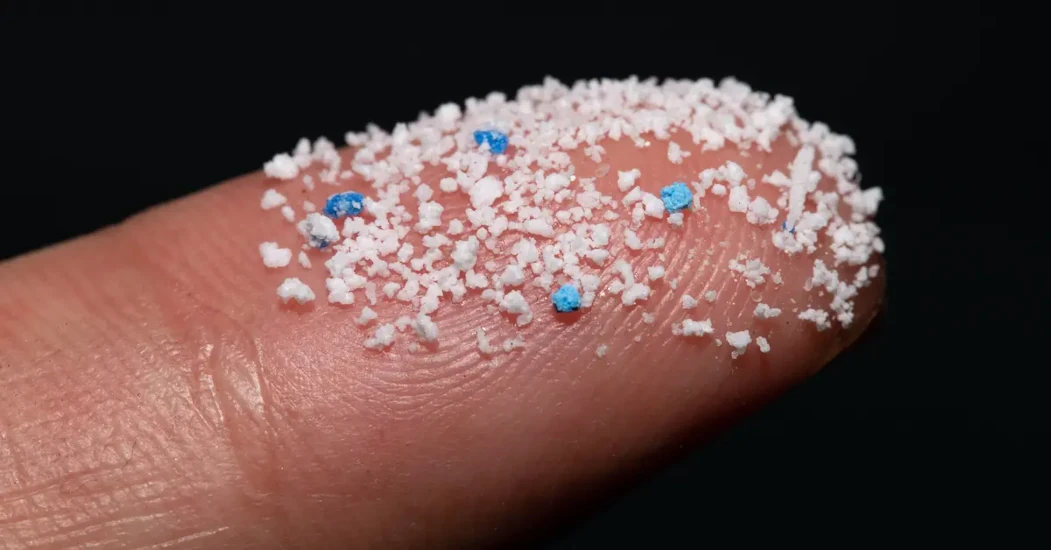
It feels like every day there is a new, alarming headline about microplastics showing up in our food, our water, and even our bodies. If you are feeling overwhelmed by the sheer scale of plastic pollution, your frustration is completely valid. It is an unsettling reality of modern life.
However, let’s ground this in facts: you cannot completely eliminate your exposure to microplastics. They are a systemic environmental issue, present in the air, the soil, and the oceans. But you shouldn’t let that paralyze you. What you can do is significantly minimize the amount you ingest on a daily basis by making a few targeted, straightforward changes to your routine.
Here is how you can practically reduce your microplastic footprint.
1. Rethink Your Drinking Water
Water is one of the most common ways microplastics enter our systems, largely due to packaging and municipal piping.
- Ditch single-use plastic bottles: Bottled water consistently tests much higher for microplastics and nanoplastics than tap water. The plastic from the bottle and the cap naturally degrades into the water, especially if left in the heat or sunlight. Switching to a reusable stainless steel or glass bottle is the single most effective change you can make.
- Filter your tap water: While tap water is generally safer than bottled, it is not entirely plastic-free. Look for a water filter that uses a physical treatment barrier—like a microfilter capable of trapping particles as small as 1 micron—or a Reverse Osmosis (RO) system.
2. Overhaul Your Kitchen Habits
How you prep, store, and cook your food matters just as much as what you are eating. Heat and friction are plastic’s worst enemies, causing it to break down and shed rapidly.
- Never heat food in plastic: Microwaving food in plastic containers (even those labeled “microwave safe”) or using “boil-in-a-bag” products causes the material to degrade, leaching thousands of microparticles directly into your meal. Always transfer your food to glass or ceramic plates before heating.
- Swap the cutting board: Every time your kitchen knife strikes a polypropylene or polyethylene cutting board, it shaves microscopic plastic fragments into your ingredients. Switch to a solid hardwood cutting board, like teak or maple.
- Upgrade your cookware: Worn-out non-stick (Teflon) pans flake plastic polymers into your food over time. Opt for cast iron, stainless steel, or ceramic enameled pans instead. Similarly, replace plastic spatulas and stirring spoons with wood, bamboo, or stainless steel alternatives.
3. Make Mindful Dietary Choices
- Limit ultra-processed foods: The more a food is processed and packaged on a factory assembly line, the more opportunities it has to pick up microplastic contamination. Whole, minimally processed foods (like fresh fruits, vegetables, and unprocessed proteins) carry a much lower risk.
- Brew tea wisely: Many commercial tea bags are made with synthetic polymers or sealed with plastic glue, which release billions of particles when steeped in boiling water. Switch to loose-leaf tea brewed in a stainless steel strainer, or look specifically for certified 100% natural-fiber tea bags.
4. Clear the Air (and Dust)
We do not just eat and drink microplastics; we swallow them indirectly through household dust. Synthetic fibers from carpets, clothes, and furniture constantly shed into the air and settle onto our food and plates.
- Vacuum regularly: Use a vacuum equipped with a HEPA (High-Efficiency Particulate Air) filter to actively trap plastic dust rather than just blowing it back into the room.
- Purify your space: A HEPA-grade air purifier can help pull airborne microplastics and synthetic microfibers out of your living environment.
 Buy me a Ko-fi
Support this blog ❤️